
A spare room, a garage corner, or a living area after dark can become a training space with the right trainer. Wheel-on models keep the rear wheel in place, while direct-drive models remove it for a cleaner connection to the motor. Accuracy, gradient simulation, and app connectivity separate a basic spin session from a structured virtual ride. Match the trainer type to the bike already in the room and the apps planned for the season.
A Fast Comparison Of The Options

Saris M2 Smart Indoor Bike Trainer (Black)

Garmin TacX Neo 2T Smart Trainer

ThinkRider XXPRO Smart Bike Trainer 2500W (Black)
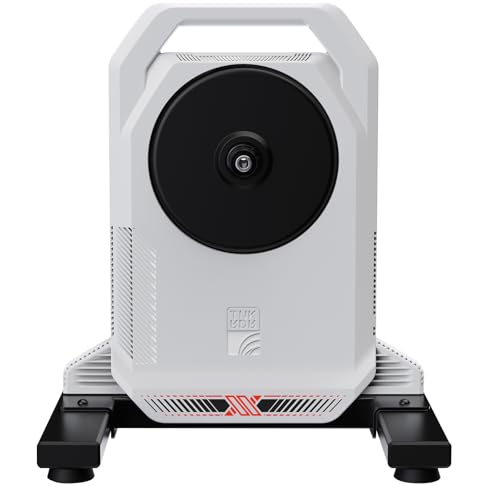
ThinkRider XXPRO Smart Bike Trainer 2500W (White)

Wahoo Fitness KICKR CORE 2 Zwift Cog and Click

CYCPLUS Smart Bike Trainer R200 2200W

ThinkRider X2Max Smart Bike Trainer 2000W
Why These Options Stand Out
Wheel-on design suits a rider who wants the bike back on the road quickly after a session. The rear wheel stays mounted, and the trainer roller contacts the tire, so setup avoids removing the wheel or changing the drivetrain. That approach fits a garage or spare room where the same bike handles outdoor rides on weekends.
Electromagnetic resistance, meaning resistance created by a magnetically controlled unit rather than friction alone, gives repeatable effort for structured intervals. ANT+ FE-C and Bluetooth connect the trainer to indoor cycling apps, with ANT+ FE-C serving as a standard that lets apps control resistance. In a shared home, the listed 69 decibels at 20 mph is a useful check against evening training plans.
Useful Strengths
- Keeps the rear wheel mounted for faster setup and removal
- Dual ANT+ FE-C and Bluetooth links cover most training apps
- Clutch knob helps align tire contact before each ride
- Includes a steel quick-release skewer for common frames
Things To Consider
- Tire wear and roller contact need checking before longer sessions
- Accuracy at plus or minus 5 percent is wider than direct-drive options
Direct drive means the rear wheel comes off and the cassette connects straight to the trainer motor. That layout removes tire noise and gives a smoother road feel during steady efforts. A rider in an apartment benefits from the lower vibration path and the foldable frame for storage after a session.
Magnetic resistance uses 32 neodymium magnets, a strong magnet type, to create braking force inside the unit. ANT+ and Bluetooth cover phone, tablet, and computer connections across iOS, Android, macOS, and Windows. The included front wheel block, skewers, and axle adapters cover 130 mm and 135 mm quick-release frames plus 12 x 142 mm thru-axle frames, which simplifies fitting a wider range of bikes.
Standout Benefits
- Direct-drive connection removes tire roller noise
- Foldable frame stores in a closet or corner
- Adapter set covers common road and mountain axle sizes
Worth Noting
- Rear wheel removal adds setup steps compared with the Saris M2
- At 47.4 pounds, the unit needs a planned storage spot
Who It Suits Best
Riders in shared living spaces who want a direct-drive feel and a frame that folds away after training.
Where Another Pick Suits Better
Saris M2 Smart Indoor Bike Trainer (Black) suits riders who prefer keeping the rear wheel mounted for quicker changes.
Power and gradient numbers place this direct-drive model in a different class from wheel-on trainers. Maximum power reaches 2500W, and simulated gradient reaches 25 percent, which covers steep virtual climbs without the trainer feeling strained during short efforts. Strong riders chasing hill repeats get headroom that lower-output units lack.
Direct motor drive connects the cassette to the motor for a reported accuracy of plus or minus 1 percent, with no calibration step listed. Self-power generation lets the unit run without a power adapter, while plug-in use remains an option. Bluetooth and ANT+ link to Zwift and bike computers, and downhill simulation adjusts resistance with map slope for a more complete ride feel.
The Practical Payoff
- 2500W ceiling supports hard sprints and steep climbs
- 25 percent gradient covers demanding virtual routes
- Plus or minus 1 percent accuracy supports structured power training
- Self-power option reduces cable clutter in a training corner
- Downhill simulation adds variety beyond steady intervals
Trade Offs
- Direct-drive setup takes longer than the wheel-on Saris M2
- High output suits strong riders more than casual beginners
Hardware and performance match the black XXPRO, with the white finish as the main distinction. That matters in a bright room where a light-colored unit blends with the space instead of drawing attention. The same 2500W ceiling and 25 percent gradient serve riders focused on demanding virtual routes.
Direct motor drive, self-power generation, and downhill simulation carry over from the black version. Bluetooth and ANT+ connections support Zwift and bike computers for app-based rides. For most homes, color comes down to preference, and the white finish simply gives a cleaner look in a living area turned training space.
Real-World Strengths
- White finish suits bright, shared training spaces
- Same 2500W and 25 percent gradient as the black model
- Self-powered operation works without a nearby outlet
Minor Gripes
- White surfaces show dust more readily during regular use
Made For
Riders who want XXPRO performance in a lighter finish for a bright indoor setup.
Consider Something Else When
ThinkRider XXPRO Smart Bike Trainer 2500W (Black) suits riders who prefer a darker finish that hides marks.
Zwift Cog and Click replaces a traditional cassette and derailleur with a single cog and a handlebar control for shifting. That simplification suits a first smart trainer setup, since there is no chain to align or gears to index. A new indoor rider gets into a Zwift session with fewer mechanical steps.
Integrated WiFi handles pairing and automatic updates, which reduces dropouts compared with Bluetooth-only links in a crowded wireless home. The KICKR CORE line is built around smooth resistance and a road-like feel for hard efforts and structured training. Compared with the XXPRO models, this pick trades raw power numbers for a simpler Zwift-focused setup.
The Upside
- Single-cog setup removes derailleur adjustment from the routine
- WiFi connection supports faster pairing and automatic updates
- Direct integration with Zwift Cog and Click simplifies shifting
- Smooth resistance suits structured intervals and group rides
Room For Improvement
- Single-cog design limits gear choices compared with a full cassette
- WiFi setup needs a stable home network for best results
- Zwift-focused hardware suits riders committed to that app
Brushless motor design, meaning a motor without carbon brushes that wear over time, supports sustained output during longer sessions. Peak power reaches 2200W with maximum torque of 80 N·m, and power accuracy is listed at plus or minus 1 percent. That combination suits riders who mix steady endurance work with short, hard efforts.
Gradient simulation reaches 19 percent and syncs with riding software to match terrain changes. A built-in cooling fan moves air through the unit to help maintain performance during extended rides. BLE and ANT+ dual-mode connectivity links to Zwift and MyWhoosh, while virtual shifting requires the separate CYCPLUS BC2 shifter and does not work in ERG mode, a mode where the trainer holds a set power target.
Good Reasons To Consider
- 2200W peak power with plus or minus 1 percent accuracy
- Cooling fan supports longer training sessions
- 19 percent gradient covers most virtual terrain
Points To Note
- Virtual shifting needs the BC2 shifter, sold separately
- Virtual shifting does not work in ERG mode
I-beam triangular structure keeps the trainer stable while keeping the footprint compact for a small room. That layout suits an apartment corner where a wide frame would crowd the bike or a desk. The design gives a grounded feel during standing efforts without taking over the floor.
Power reaches 2000W with accuracy listed at plus or minus 2 percent, and gradient simulation reaches 18 percent. Noise is listed at about 58 decibels at 30 km/h, which helps with neighbor-friendly training times. BLE and ANT+ dual-mode links connect to mainstream cycling software, and resistance adjusts to match map gradient during a ride.
Where It Helps
- Compact I-beam frame fits small training corners
- 58 decibels at 30 km/h supports shared-space training
- 2000W output covers most structured workouts
- 18 percent gradient matches many virtual routes
Softer Spots
- Plus or minus 2 percent accuracy is wider than the XXPRO range
- 18 percent gradient tops out below the 25 percent XXPRO ceiling
Factors That Shape a Good Indoor Setup
Trainer Type And Bike Fit
Wheel-on trainers keep the rear wheel mounted and suit riders who switch between road and indoor use often. Direct-drive trainers remove the wheel and connect the cassette to the motor, which usually gives a smoother feel and removes tire noise. Check axle type and cassette compatibility before purchase, since adapters differ across models.
Power, Gradient, And Accuracy
Peak power and gradient limits decide which virtual routes feel realistic. A rider focused on steep climbs needs a higher gradient ceiling, while a rider focused on steady endurance work can accept a lower limit. Accuracy matters for power-based intervals, with plus or minus 1 percent giving tighter feedback than plus or minus 5 percent.
Connectivity And Room Layout
Bluetooth suits phones and tablets, ANT+ suits bike computers and some laptops, and WiFi can improve pairing stability in a busy wireless home. Noise ratings and frame size matter in shared spaces, since a trainer that folds or has a compact footprint changes daily storage. A setup that fits the room gets used more often through the season.
Key Considerations Across These Picks
Common Shopping Slip Ups
Skipping the axle and cassette check causes the most common fit problems. A trainer that matches the bike frame saves time during setup. Another slip is choosing maximum power without checking gradient, since steep virtual climbs need resistance range as much as wattage.
What The Higher Tier Buys
Higher-tier models add tighter accuracy, higher gradient ceilings, and stronger motors for hard efforts. Those gains pay off for structured training and steep routes. Casual riders focused on steady spins get solid value from mid-range output and simpler connections.
Frequently Asked Questions
Does a wheel-on trainer work with an existing bike?
Yes, a wheel-on trainer clamps the rear wheel in place and uses a roller against the tire. Check tire type and frame compatibility before the first session.
What does direct drive mean?
Direct drive removes the rear wheel and connects the cassette straight to the trainer motor. That design removes tire noise and gives a smoother road feel.
Which connectivity standard matters most?
Bluetooth covers most phones and tablets, while ANT+ covers many bike computers. WiFi models can give more stable pairing in homes with many wireless devices.
How much gradient is enough for virtual climbs?
An 18 to 19 percent ceiling covers many virtual routes, while 25 percent suits very steep climbs. Match the ceiling to the routes planned for the season.
Can a trainer run without a power adapter?
Some models, including the ThinkRider XXPRO, list self-power generation for use without an adapter. Plug-in operation remains available on those models for longer sessions.
Closing Remarks
Match trainer type to the bike and room first, then check power, gradient, and connectivity against the planned workouts. A wheel-on model keeps setup simple, while direct-drive models suit riders chasing a smoother feel and tighter power data. Pick the setup that fits the space and the training style for the season ahead.