
A bent or poorly sized bar changes steering, wrist angle, and confidence on rough ground. For trail riders, commuters cutting through town, and anyone upgrading an older cockpit, the right width, rise, and clamp size matter more than colour. You need a bar that matches your stem, clears tight gates, and gives enough leverage without feeling unwieldy. This roundup compares seven distinct options by those practical details.
The Shortlist At A Glance

UPANBIKE Mountain Bike Handlebar Riser Bar 700mm (Black)

BUCKLOS 25.4mm Mountain Bike Handlebars 580mm Black

RUTVEING Bike Aero Bar Arm Rest Pads Aluminum Alloy

Race Face Ride XC 1 inch Riser Handlebar Black 710mm

Ritchey Comp Rizer Mountain Bike Handlebar 740mm 35mm Rise

OneUp V2 Carbon Handlebar 800mm 50mm Rise
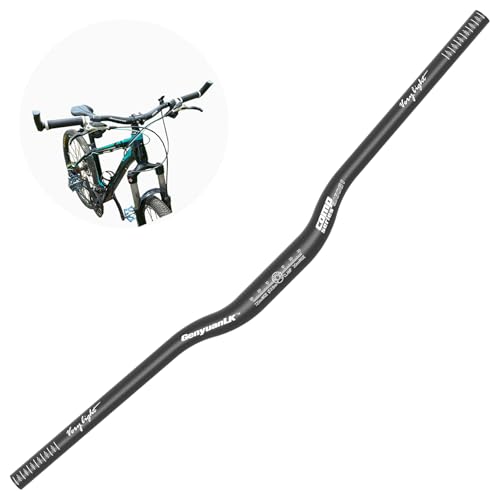
GenyuanLK Mountain Bike Handlebars 31.8mm 780mm Black
Inside Each Recommended Option
Downhill and off-road riding puts a premium on leverage, and the 700mm width here gives a confident grip for steering through loose corners. A 50mm riser lifts the grips, which suits a more upright stance on steep descents. You get a 31.8mm clamp, so stem compatibility needs a quick check before ordering.
6061 aluminium keeps weight near 350g, a useful figure for riders swapping a heavier cockpit part. The 9 degree backsweep angles the grips toward the rider, a detail that matters on longer off-road stretches. In tight woodland, that same width can feel broad, so measure gate and tree gaps first.
Benefits That Matter
- 700mm width adds steering leverage on descents
- 6061 alloy construction keeps weight low
- 50mm riser supports an upright riding position
- 9 degree backsweep suits longer trail days
Things To Consider
- 31.8mm clamp must match the stem exactly
- 700mm width may catch on narrow gaps
Older stems often use a 25.4mm clamp, and this bar fits that size directly. Width is 580mm, noticeably narrower than the UPANBIKE bar at 700mm, so steering feels quicker in tight spaces. Your existing stem size decides whether this is a straightforward swap or a mismatch.
Cut marks on both sides help trim width evenly, a practical touch for smaller frames or folding bikes. Hard anodising and CNC bending are used on the 6061 alloy, details that support a tidy finish. On rough downhill terrain, the narrower width offers less leverage than wider options.
Useful Highlights
- 25.4mm clamp fits older stems
- 580mm width suits tight, technical routes
- Cut marks allow width adjustment
- 6061 alloy with hard anodised finish
- Works with folding bikes and e-bikes
Worth Noting
- Narrower width gives less descending leverage
- 25.4mm clamp will not fit 31.8mm stems
- Height options need confirming before ordering
Who It Suits Best
Best suited to riders with 25.4mm stems on folding bikes, city bikes, or older mountain bikes.
Where Another Pick Suits Better
Ritchey Comp Rizer suits riders wanting a wider 740mm bar and a more upright 35mm rise.
Unlike the full handlebars in this list, this item is a replacement part for a specific aero bar setup. The arm rest plate uses aluminium alloy, with sponge pads on top for forearm support during time trial positions. That focus makes it a niche purchase rather than a general cockpit upgrade.
Mounting screws are included, which simplifies fitting the plate in place. Compatibility is narrow, and the pads are intended only for matching aero bars from the same source. For long road efforts, fresh pads can refresh a worn arm rest area without changing the whole bar.
Strong Points
- Aluminium alloy arm rest plate
- Sponge pads add forearm cushioning
- Mounting screws included in the pack
Trade Offs
- Only fits matching aero bars from the same shop
- Not a standalone handlebar replacement
Cross-country and all-mountain riding benefit from a middle width, and 710mm sits between the narrow BUCKLOS bar and the wider Ritchey option. Shot peening is applied to the seamless 6061 aluminium, a process that can extend fatigue life under repeated trail flex. You get a 31.8mm clamp and a low 6mm rise, so the position stays relatively aggressive.
Sweeps are 5 degrees rearward and 6 degrees upward, shaping wrist angle without a tall riser. Internal swaging and taper help the bar handle repeated loading. At 288g, weight is lower than several alloy rivals, a plus for climbing-focused builds.
Well-Handled Touches
- 710mm width balances control and clearance
- Shot-peened 6061 aluminium construction
- 5 degree rearward and 6 degree upward sweeps
- 288g weight supports lighter builds
- Internal taper adds fatigue resistance
Minor Gripes
- Low 6mm rise suits a flatter position only
- 31.8mm clamp requires a matching stem
Commuting and trail riding share a need for a natural wrist position, and the 35mm rise with 9 degree backsweep addresses that directly. Width reaches 740mm, wider than the Race Face bar, leaving more room for levers, shifters, and a dropper remote. Double-butted 6061 alloy varies wall thickness to balance strength and weight.
Bar-end compatibility adds extra hand positions on longer days, a feature absent from most other picks here. The 31.8mm clamp fits most modern stems, simplifying installation. In narrow singletrack, 740mm can feel broad, so route width matters.
Where It Delivers
- 740mm width creates a wide grip area
- 35mm rise supports an upright position
- 9 degree backsweep and 2 degree upsweep
- Bar-end compatible for extra positions
Room For Improvement
- 740mm width needs clearance on tight trails
- 385g weight is higher than lighter alloy options
Made For
Made for trail riders and commuters seeking a gentle rise and room for multiple cockpit controls.
Consider Something Else When
OneUp V2 Carbon Handlebar suits riders wanting carbon construction and gravity-rated strength.
Gravity riding and e-bike use demand strength, and every size of this carbon bar passes the EFBE Cat-5 Gravity Tri-Test for use from XC through DH. The patented oval shape is designed to be more compliant, which can reduce hand fatigue on rough descents. You can choose 760mm or 800mm widths, with rise options at 20, 35, and 50mm.
That range lets a rider dial in fit across frame sizes, unlike the single-size alloy bars earlier in this list. Dual-crown forks are also covered by the gravity rating. At 800mm, the bar is the widest here, so tight trails need a width check.
Useful Touches
- Oval carbon shape for added compliance
- 760mm and 800mm width options
- 20, 35, and 50mm rise choices
- Gravity rated for XC to DH use
- Approved for e-bikes and dual-crown forks
Points To Note
- 800mm width can catch on tight routes
- Carbon construction places it in a higher tier
Technical trails reward leverage, and the 780mm width here is wider than the Ritchey bar at 740mm. A 35mm rise with 9 degree backsweep supports a natural wrist and shoulder position on rough terrain. Cut marks at both ends make trimming to a preferred width more straightforward.
6061 aluminium keeps the bar in the lightweight alloy category, with a 31.8mm clamp for modern stems. Matte paint finish adds a clean look and helps resist scratches during rides. Confirming stem diameter before ordering avoids a fitting mismatch.
Where It Excels
- 780mm width improves steering leverage
- 35mm rise with 9 degree backsweep
- Cut marks guide width trimming
- 6061 aluminium construction
- Matte finish resists scratches
Softer Spots
- 780mm width needs clearance on narrow trails
- Stem diameter must be confirmed first
What To Check Before Fitting New Mtb Bars
Clamp Diameter and Stem Fit
Clamp diameter is the centre section that locks into the stem, and it must match exactly. A 31.8mm bar will not fit a 25.4mm stem, and the reverse is also true. Measure the stem marking before ordering to avoid a return.
Width, Rise, and Sweep
Width controls leverage, rise controls grip height, and sweep controls wrist angle. Wider bars help on descents, while a higher rise suits an upright stance. You can compare rise figures directly, such as 6mm on the Race Face bar against 50mm on the UPANBIKE and OneUp options.
Material and Riding Style
Aluminium alloy bars dominate this list for strength and weight balance, while carbon adds compliance and multiple size options. Gravity and e-bike use place extra demands on strength, so rated options matter in that setting. Trail, XC, and commuting use each favour a different width and rise combination.
Key Considerations Across These Picks
Common Shopping Slip Ups
Ordering by colour or width alone often leads to a stem mismatch. Checking clamp size first prevents most fitting problems. Trimming a wide bar without using cut marks can leave uneven grips and brake lever positions.
What The Higher Tier Buys
Higher tier bars often add carbon construction, oval shaping, and a wider range of widths and rises. Gravity ratings and dual-crown approval also appear at that level. Those features pay off for downhill, e-bike, and long rough descents, while alloy bars cover trail and XC use well.
Frequently Asked Questions
What does clamp diameter mean on a handlebar?
Clamp diameter is the size of the centre section that fits the stem. It must match the stem size exactly for a secure fit.
What width suits most trail riders?
Widths from 710mm to 780mm appear across these picks for trail use. Your route width and frame size help narrow the choice.
What does rise do on a riser bar?
Rise lifts the grips above the clamp centre. A higher rise creates a more upright position, while a low rise keeps a flatter stance.
Can a wide bar be cut down?
Some bars include cut marks to guide trimming. Cutting evenly on both sides keeps controls aligned.
Are carbon bars suitable for downhill riding?
Some carbon bars carry a gravity rating for downhill use. Checking the rating and fork compatibility matters before use.
Final Thoughts
Your stem size is the first filter, then width and rise shape the fit. Alloy bars cover most trail and XC needs, while carbon options add size choices and gravity ratings. Match the bar to the terrain and position planned for the season ahead.