
A first bike needs to match height, balance stage, and riding surface before anything else. Too tall a frame makes braking awkward, while too small a frame limits growth. You need a fit check based on inseam and rider height, not age alone. Your shortlist narrows quickly once size, brake type, and support setup line up with the child or teen in question.
A Snapshot Of The Selections

Rovouja Kids Bike 18 and 20 Inch for Ages 5-13
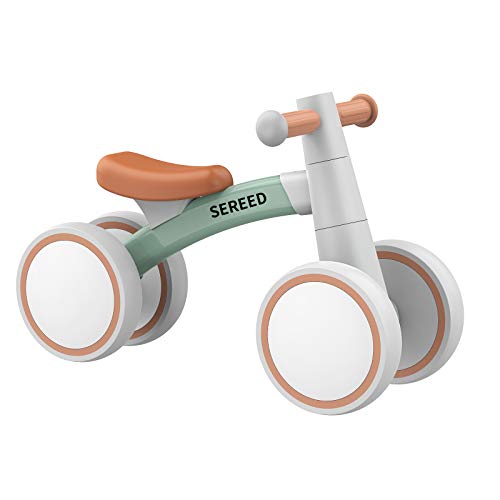
SEREED Baby Balance Bike for 1 Year Old

WEIZE Freestyle BMX Bike 20 inch

Glerc Kids Bike 12-16 Inch BMX Style

WEIZE Kids Bike 14 16 20 Inch Coaster Brake

WEIZE Mountain Bike 24 26 27.5 inch 18-Speed
Taking A Closer Look At The Options
Height-based sizing makes the Rovouja Kids Bike 18 and 20 Inch for Ages 5-13 a straightforward choice for developing riders. The 18-inch version suits riders 42 to 52 inches tall, while the 20-inch version covers 48 to 61 inches, so measuring first prevents a cramped or tippy fit. You get a single-speed drivetrain, meaning no gear shifting to manage during early rides around the block.
An alloy-steel frame gives a stable platform, and the handbrake sits within reach of smaller hands. The 20-inch model adds front suspension for pavement, grass, and light gravel, a step up from the plainer Glerc Kids Bike 12-16 Inch BMX Style on rough neighborhood paths. Your seat adjusts to keep feet able to reach the ground, which matters more than age labels during the first weeks.
Advantages To Know
- Single-speed setup keeps pedaling simple for beginners
- Handbrake placement suits smaller hands
- Adjustable seat supports a growing rider
- 18-inch model includes training wheels for balance stage
- 20-inch model includes kickstand and front suspension
Things To Consider
- Arrives 85% assembled, so final setup and brake checks remain
- Size choice depends on height, not age alone
The SEREED Baby Balance Bike for 1 Year Old targets a very different stage from pedal bikes in this list. With no pedals, a toddler pushes with feet and practices steering and balance at walking pace. You can use it indoors or outdoors for ages 12 to 24 months, and the short window means it functions as a first step rather than a long-term ride.
An aluminum alloy frame keeps weight at 3.6 pounds, so carrying it to a park stays manageable. Closed, widened wheels and a 135-degree turning limit reduce the chance of feet catching or the front wheel turning too far. In a living room, that turning limit matters, since furniture sits close on every side.
Useful Strengths
- Pedal-free design builds balance and steering early
- Lightweight frame at 3.6 pounds for carrying
- Closed wheels help prevent foot clamping
- Non-slip wheels suit indoor floors and outdoor paths
Worth Noting
- Narrow age window of 12 to 24 months limits use
- No pedals, so it cannot replace a pedal bike later
Who It Suits Best
Toddlers aged 12 to 24 months learning to walk, steer, and balance indoors or in a yard.
Where Another Pick Suits Better
Glerc Kids Bike 12-16 Inch BMX Style suits older children ready for pedals and training wheels.
Freestyle intent sets the WEIZE Freestyle BMX Bike 20 inch apart from the Rovouja Kids Bike 18 and 20 Inch for Ages 5-13. A 360-degree rotor lets handlebars spin without twisting the brake cable, and four axle pegs support basic trick practice. That setup suits riders around 4 feet to 5 feet 8 inches tall who already ride confidently.
A hi-ten steel frame, padded adjustable saddle, and wide 20 x 2.40 inch tires handle pavement and uneven surfaces with added grip. The single-speed drivetrain uses a 32T front chainring and 16T rear sprocket, keeping maintenance simple. For most backyards and park paths, the rear V brake gives direct stopping control without extra levers to learn.
What Makes Sense
- Rotor allows full handlebar rotation for freestyle practice
- Four pegs expand options for basic skills
- Wide tires add grip and cushioning on mixed surfaces
- Single-speed drivetrain reduces shifting and upkeep
Trade Offs
- No training wheels, so balance skills must already exist
- Freestyle hardware adds weight compared with plain kids bikes
BMX styling with beginner braking defines the Glerc Kids Bike 12-16 Inch BMX Style. A coaster brake, which stops by pedaling backward, pairs with a front V brake for two ways to slow down. You can match the 14-inch version to children ages 3 to 5, about 35 to 43 inches tall, with a 15 to 19 inch inseam.
A high tensile steel frame handles everyday bumps, and the bike arrives 85% assembled with final setup in about 20 minutes. That pre-assembly saves time compared with a fully boxed bike, though brake and fastener checks still belong before a first ride. Your sizing decision should start with inseam, since that measurement predicts whether feet can plant safely.
A Few Highlights
- Coaster plus front V brake gives flexible stopping options
- BMX style appeals to young riders
- 85% pre-assembled for quicker setup
- Steel frame built for daily neighborhood use
- Training wheels included for balance support
Minor Gripes
- At 22 pounds, lifting into a car trunk takes effort
- Size guide centers on 14 inch, so confirm fit for other sizes
Three sizes make the WEIZE Kids Bike 14 16 20 Inch Coaster Brake flexible across early childhood. The 14-inch fits ages 3 to 5, the 16-inch fits ages 4 to 6, and the 20-inch fits ages 6 to 12, with height ranges listed for each. You can plan a size jump based on height growth rather than guessing from age alone.
A hand brake sized for smaller hands pairs with a coaster brake, so stopping can happen two ways. Tool-free saddle adjustment and an adjustable handlebar help the fit keep pace with growth, while a full chain guard protects clothing. Unlike the WEIZE Freestyle BMX Bike 20 inch, this line prioritizes learning support, with training wheels on 14 and 16 inch models and a kickstand on the 20 inch.
What It Does Well
- Hand brake plus coaster brake builds stopping confidence
- Three sizes cover ages 3 to 12
- Tool-free saddle adjustment eases fit changes
- Full chain guard protects legs and clothing
Room For Improvement
- Training wheels only on smaller sizes, not the 20 inch
- Steel frame adds weight for carrying upstairs
Made For
Children ages 3 to 12 learning pedals, braking, and balance on sidewalks and park paths.
Consider Something Else When
WEIZE Freestyle BMX Bike 20 inch suits confident riders focused on freestyle skills instead of basic learning.
Teen riders ready for trails get a different class of bike in the WEIZE Mountain Bike 24 26 27.5 inch 18-Speed. Dual suspension, with a front fork and rear coil shock, smooths bumps that single-speed kids bikes pass straight through. Your rider height should fall between 56 and 66 inches, since that range aligns with the frame geometry and lower standover height.
An 18-speed rear derailleur helps on climbs, while front and rear V brakes provide stopping control. A high carbon steel frame and padded seat support longer rides, and 20 x 2.125 inch tires on the 24 inch version add traction. In a view shared by many families, gears make sense only after basic riding feels automatic.
Where It Excels
- Dual suspension smooths trail bumps
- 18 speeds help with climbs and varied terrain
- Lower standover eases mounting and dismounting
- Front and rear V brakes add stopping control
- Padded seat supports longer outdoor rides
Points To Note
- Height range of 56 to 66 inches excludes smaller riders
- Gear shifting adds learning curve beyond single-speed bikes
What To Check Before Choosing a First Bike
Height And Inseam Come First
Measure inseam with shoes on and compare it with the size guide for each model. A frame that allows both feet to touch the ground builds confidence during stops. Age ranges help, but height ranges predict fit more accurately for tall or petite riders.
Brake Type Shapes Learning
Coaster brakes stop by pedaling backward, while hand brakes use a lever at the handlebar. Some riders learn one method faster, and dual systems offer a backup. Smaller hands need levers positioned within easy reach, so reach matters as much as brake strength.
Support Setup Matches Balance Stage
Training wheels, kickstands, and pedal-free designs each serve a different stage. Balance bikes suit toddlers, training wheels suit early pedal riders, and kickstands suit riders who can balance alone. Your choice should reflect current skill, not the skill expected next year.
Terrain Decides Suspension And Gears
Sidewalks and smooth park paths need little more than a sturdy frame and reliable brakes. Grass, light gravel, and trails benefit from front suspension, wider tires, or gears. Gears add complexity, so they fit riders who already handle single-speed riding well.
Key Considerations Across These Picks
Common Shopping Slip Ups
Buying by age alone leads to oversized frames that feel unstable. Skipping a brake check before the first ride creates avoidable risk. Choosing gears or freestyle hardware before balance feels solid adds frustration without benefit.
What The Higher Tier Buys
Higher-tier models add suspension, wider gear ranges, and stronger frames for varied terrain. That extra hardware pays off on trails and longer rides, not on short sidewalk loops. Paying more makes sense when terrain and rider height demand it.
Frequently Asked Questions
What size bike fits a beginner child?
Height and inseam determine fit more than age. Use the listed height range for each wheel size and confirm both feet can reach the ground.
Are coaster brakes easier for beginners?
Coaster brakes let riders stop by pedaling backward, which many young riders learn quickly. Hand brakes still matter for control, and some models combine both systems.
When does a balance bike make sense?
Balance bikes suit toddlers aged 12 to 24 months who are learning to walk and steer. Pedal bikes become relevant after that stage, when balance and coordination improve.
Do beginners need gears?
Single-speed bikes keep learning simple on flat neighborhood routes. Gears help on hills and trails, so they fit riders with solid basic skills.
What should be checked before the first ride?
Brakes, fasteners, and seat height need a check after assembly. You should also confirm tire pressure and that the rider can plant both feet safely.
Final Verdict
Match height first, then brake type, then balance support. For toddlers, a pedal-free starter fits the stage, while older beginners benefit from single-speed simplicity. You will make a stronger choice by prioritizing fit and current skill over styling or extra hardware.