
A first bike should feel manageable on neighborhood streets, park paths, and short paved routes. If you are choosing for a young rider or for yourself, fit, braking, and gearing matter more than styling. Single-speed models keep pedaling simple, while multi-speed hybrids and mountain bikes add range for hills and longer loops. Your size check comes first, because wheel diameter and frame height shape comfort and control.
An Overview Of The Picks

StarterRide 24 Inch Freestyle BMX Bike White Pink Tires

AVASTA 19 Inch Frame Road Hybrid Bike Gray
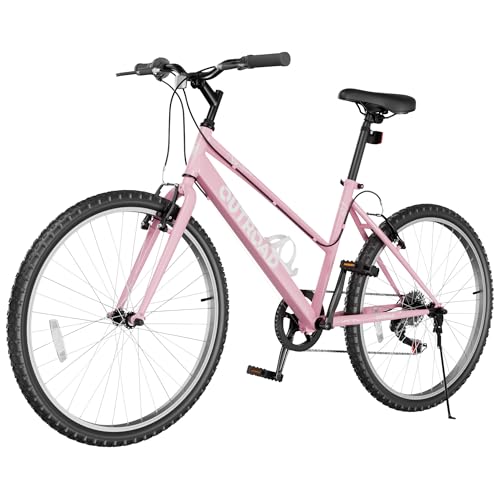
Max4out 26 inch 7-Speed Cruiser Hybrid Bike
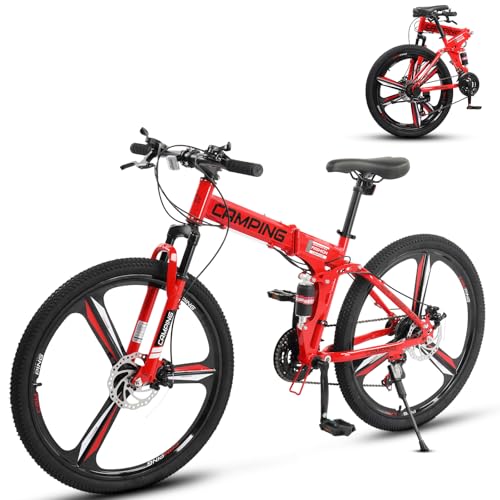
CamPingSurvivals 26 Foldable Bike 21 Speeds

WEIZE 26 27.5 inch Mountain Bike Trail MTB

WEIZE Mountain Bike 24 26 27.5 inch 18-Speed
What Each Pick Brings To The Table
You get a youth BMX built around simple pedaling and neighborhood use. The high-carbon steel frame uses classic BMX geometry, and a high-rise handlebar keeps the riding position upright. A rear U-brake, meaning a rim brake mounted above the rear wheel, gives hand-operated stopping control without extra levers to learn.
Adjustable saddle height helps your rider grow into the bike, with front and rear reflectors for visibility on paved paths. Wide 2.125-inch dual-color tires add road contact on streets and parks, and two front pegs support basic freestyle practice. In our view, the single speed keeps attention on balance and braking for ages 7 and up.
Practical Pluses
- Single-speed drivetrain removes gear shifting for new riders
- Adjustable saddle supports growing riders over time
- 85% pre-assembled delivery simplifies final setup
- Front pegs allow basic freestyle practice on paved surfaces
Things To Consider
- Rear-only braking limits stopping options on steeper paths
- 20-inch sizing suits riders 43 to 54 inches tall
You can use this step-over hybrid for city commuting and longer paved rides. A lightweight aluminum alloy frame, meaning a metal frame built to reduce carrying weight, pairs with 700C wheels for rolling efficiency. The 21-speed Shimano EF500 system gives lower gears for hills and higher gears for flat stretches.
Dual disc brakes, meaning brakes that clamp a rotor at each wheel, provide stopping control in wet conditions. Adjustable saddle and handlebars let riders dial in position, and mounting points accept a bottle holder, mudguards, or rear rack. Depending on rider height, the 19-inch frame needs a careful fit check before ordering.
What Works In Its Favor
- 21 speeds cover hills and flat city roads
- Dual disc brakes support wet-weather stopping
- Mounting points add racks, mudguards, or bottle holder
- Adjustable saddle and handlebars refine riding position
- Aluminum frame keeps handling lighter than steel
Worth Noting
- Rigid fork transmits more road vibration on rough paths
- 19-inch frame may suit taller riders better
- Accessories for racks and mudguards are separate
Who It Suits Best
Adult beginners commuting on paved roads who want gears and rack options.
Where Another Pick Suits Better
Max4out 26 inch 7-Speed Cruiser Hybrid Bike suits riders who prefer a low, upright cruiser position over a road hybrid stance.
Unlike the AVASTA hybrid, this steel cruiser puts comfort ahead of speed. A low center of gravity and wide rear axle help balance at low speeds, while a soft foam saddle and ergonomic grips support an upright posture. The low-step frame design makes mounting simpler for seniors and new riders.
Seven speeds make your first hill feel less steep, and front and rear V-brakes, meaning rim brakes operated by hand levers, handle routine stops. Wear-resistant tires suit neighborhood streets and park paths, and the frame supports riders from 5.2 to 6.0 feet up to 300 pounds. On longer park loops, the upright position may feel relaxed rather than fast.
Why It Works Well
- Low-step frame simplifies mounting and dismounting
- Upright position reduces back and shoulder strain
- 7 speeds handle gentle hills without complexity
Trade Offs
- Steel frame adds carrying weight compared with aluminum
- V-brakes need more lever effort than disc brakes
- Cruiser geometry favors leisure over brisk pace
You get a folding mountain bike that stores in smaller spaces than a fixed frame. Full suspension, meaning suspension at front and rear to absorb bumps, helps on gravel paths and light trails. A 21-speed system and dual disc brakes give gear range and stopping control across mixed terrain.
Double-walled rims protect inner tubes, and a quick-adjust seat post changes saddle height without tools. Delivery at 85% pre-assembled means handlebars, seat, front wheel, and pedals need fitting, plus brake and gear checks. For apartment storage, measure the folded footprint before ordering.
Practical Advantages
- Folding frame saves storage space at home
- Full suspension softens bumps on light trails
- 21 speeds support climbs and descents
- Quick-adjust seat post changes fit fast
Minor Gripes
- Folding hinge adds a setup check before rides
- Partial assembly requires fitting several parts
Made For
Adults with limited storage who want trail capability without a full-size frame footprint.
Consider Something Else When
WEIZE 26 27.5 inch Mountain Bike Trail MTB suits riders who prefer a fixed frame and clear sizing by height.
Two wheel sizes make sizing clearer here than on many mountain listings. The 26-inch version fits riders 5’3″ to 5’10”, and the 27.5-inch version fits riders 5’5″ to 6’5″. A lightweight aluminum frame, 17-inch frame size, and 2.125-inch wide tires support commuting, fitness rides, gravel paths, and light trails.
Front and rear suspension absorb bumps, and 21 speeds adjust for flat roads and hills. Dual disc brakes front and rear give consistent stopping on turns and varied terrain, with a kickstand and front reflector included. You should confirm wheel size against height before choosing, because that choice shapes handling more than color.
The Helpful Details
- Height-based sizing for 26 and 27.5 inch wheels
- Full suspension smooths uneven roads and light trails
- Dual disc brakes add stopping control front and rear
- 21 speeds suit beginners and casual riders
- Kickstand and front reflector support daily use
Room For Improvement
- Two sizes require a careful height check
- Full suspension adds weight for pure road commuting
A high-carbon steel frame and dual suspension setup target younger riders and smaller adults. A front suspension fork and rear coil shock smooth bumps, and a lower standover height makes mounting and dismounting easier. An 18-speed rear derailleur, meaning the gear mechanism at the rear wheel, helps with climbs.
Front and rear V-brakes give simple hand-operated control, and a soft padded seat supports longer rides. Rider height range is listed as 4’8″ to 5’6″, so your fit check should focus on standover and saddle reach. Compared with the WEIZE 26 27.5 inch model, this pick trades aluminum lightness for a lower, more approachable steel frame.
Positive Takeaways
- Lower standover helps younger riders mount easily
- Dual suspension softens bumps on outdoor paths
- 18 speeds support climbs without road-bike complexity
Points To Note
- Steel frame is heavier than the aluminum WEIZE option
- V-brakes offer less stopping power than disc brakes
- Height range excludes taller adult riders
What Matters Most Before Choosing Bikes For Beginner Cyclists
Fit And Wheel Size First
Frame height and wheel diameter decide whether a beginner feels stable or stretched. A 20-inch BMX suits riders 43 to 54 inches tall, while adult mountain bikes list ranges from 5’3″ upward. Check standover height and saddle reach before comparing gears or colors.
Braking And Gearing For Terrain
Disc brakes give stronger wet-weather control than V-brakes or a rear U-brake. Single-speed setups suit flat neighborhood routes, and 7 to 21 speeds help on hills and longer loops. Your route mix should drive that choice, because extra gears add value only when terrain changes.
Frame Material And Storage
Aluminum frames reduce carrying weight, while steel frames often cost less and feel sturdy at low speeds. Folding frames solve apartment storage, and fixed frames keep setup simpler. Measure storage space and consider stairs before selecting a heavier steel or full-suspension model.
Key Considerations Across These Picks
Common Shopping Slip Ups
Many beginners size by age alone and end up with a frame that feels too tall. Others chase extra speeds for flat routes where a single-speed or 7-speed setup already works. Match wheel size, standover, and braking to actual routes first.
What The Higher Tier Buys
Higher-tier picks here add aluminum frames, disc brakes, and wider gear ranges. Those upgrades pay off for commuting, hills, and wet roads. For short, flat neighborhood rides, a simpler steel or single-speed bike often covers the need with less complexity.
Frequently Asked Questions
What size bike suits a beginner cyclist?
Height matters more than age. Check the listed rider height range and standover height for each wheel size before ordering.
Are disc brakes better for beginners?
Disc brakes provide stronger stopping in wet conditions. V-brakes and U-brakes still work well on dry, flat routes at moderate speeds.
How many speeds does a beginner need?
Flat routes need one speed, while hills benefit from 7 to 21 speeds. Terrain and route length should decide gear count.
Is a folding bike good for small spaces?
Folding frames reduce storage footprint in apartments and garages. Measure the folded size and confirm setup steps before ordering.
Should beginners choose aluminum or steel?
Aluminum is lighter for carrying and commuting. Steel can feel sturdy and simple for low-speed neighborhood riding.
Final Verdict
For young riders, the StarterRide BMX keeps things simple. For adult commuting, the AVASTA hybrid stands out. For relaxed comfort, the Max4out cruiser fits well. Match frame, brakes, and gears to routes, and the right choice becomes clear.