
A worn rear shock turns rough trails into a constant jolt through the saddle, and a replacement needs to match the frame geometry as closely as the riding style. Eye-to-eye length, stroke, mounting hardware, and spring or air pressure all change how a bike sits and moves. You need those measurements to line up before any upgrade feels useful.
The picks below cover coil and air designs across short-travel city frames and longer downhill setups. Each one suits a different weight, terrain, and tuning preference, so fit matters more than a single headline feature.
Your Options, Compared

JFOYH EXA Form 291R Rear Shock Adjustable Damping
CYDZSW Universal Rear Shock Absorber 215mm 2000LBS
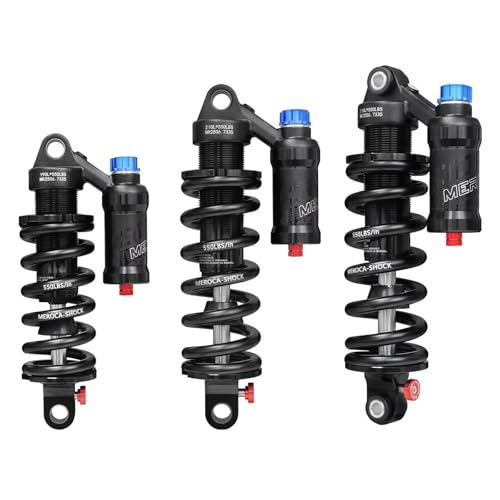
MEROCA 190mm Adjustable Air Spring Coil Over Rear Shock
DNM AO-6 Mountain Bike Air Rear Shock 125mm x 20mm
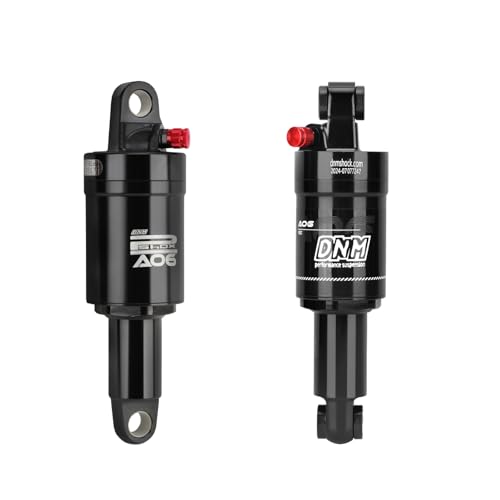
DNM AO-6 Mountain Bike Air Rear Shock 165mm x 41mm
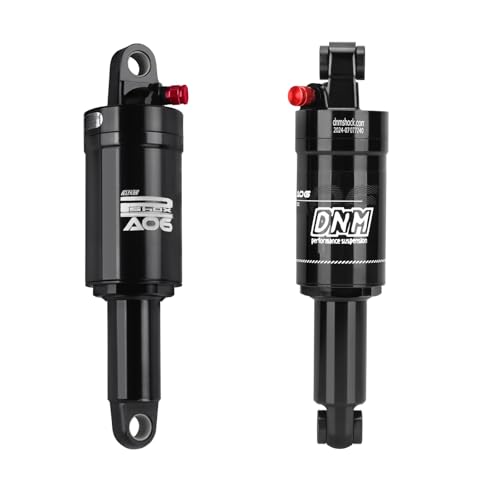
DNM AO-6 Mountain Bike Air Rear Shock 190mm x 51mm

DNM AO-39RC Rear Shock Air-Adjustable 165mm
The Picks, Examined More Closely
A coil shock with two simple dials suits commuters who want predictable suspension without a pump or pressure gauge. Rebound controls how quickly the shock extends after a bump, while preload sets initial spring tension for rider weight. That pairing makes sense on an e-bike carrying groceries or a folding bike on broken pavement.
Eye-to-eye length means the distance between the two mounting centers, and stroke means how far the shaft can travel. Offered lengths span 125 to 190mm with spring options from 650 to 1500 lbs, so matching the original unit matters more than the tuning range. In our view, the straightforward controls beat complexity for daily use, though spring choice needs care.
Everyday Advantages
- Red knob adjusts rebound speed for smoother landings
- Black preload knob adapts to rider weight and load
- Coil design handles repeated impacts on mixed surfaces
- Multiple lengths cover many MTB and scooter frames
Things To Consider
- Spring stiffness must match rider weight and frame leverage
- Eye-to-eye and stroke need checking before ordering
At 215mm eye-to-eye, this steel coil unit targets heavier machines rather than standard trail bikes. A 2000 lbs maximum load and adjustable spring pressure point toward mini motorcycles, ATVs, go-karts, and modified e-bikes. For most backyards and farm paths, that capacity provides headroom, though the single size limits frame choice.
Mounting holes measure about 8mm, and the design aims for direct replacement without drilling. Unlike the JFOYH EXA Form 291R Rear Shock Adjustable Damping, there is no separate rebound dial here, so tuning centers on spring pressure. That simplicity helps on utility vehicles, while bike riders needing finer damping control may want more adjustment.
Good Reasons To Consider
- Steel construction suits rough utility use
- Adjustable spring pressure changes ride firmness
- Direct swap fitting saves time on worn units
Worth Noting
- Only one length, 215mm, limits compatibility
- 8mm mounting holes need exact frame confirmation
- Heavy-duty sizing can feel stiff on light bicycles
Who It Suits Best
Owners of ATVs, go-karts, pit bikes, and heavy e-bikes needing a direct 215mm replacement.
Where Another Pick Suits Better
Mountain bike riders seeking rebound tuning get a closer match from the JFOYH EXA Form 291R Rear Shock Adjustable Damping.
Four separate controls separate this unit from simpler coil shocks in the list. Rebound, compression, preload, and air pressure from 200 to 300 PSI each affect a different part of the ride. Compression controls how firm the shock feels during impact, so downhill riders can firm it for big drops while trail riders keep it softer for roots.
You’ll find the aluminum body keeps weight between 885 and 1074 grams depending on size, which matters for handling on technical descents. A 550 lbs spring with 9mm wire and 12mm mounting holes targets enduro and e-MTB frames. Corrosion-resistant seals help in mud, though the range of lengths from 190 to 265mm still requires exact matching.
The Case For It
- Independent rebound and compression tuning for terrain changes
- Air pressure range allows fine response adjustment
- Aluminum body reduces weight compared with steel coil units
- Sealed design suits wet and muddy conditions
- Six length options cover many full-suspension frames
Trade Offs
- Four controls need patient setup and a pressure gauge
- 12mm mounting holes must match the frame hardware
Short eye-to-eye options make this AO-6 version a fit for folding bikes, scooters, and compact MTB frames. The AL-6061 aluminum body keeps the unit light, and air pressure adjusts up to 250 PSI with a gauge. That setup suits city riding and light trails where a heavy coil would feel out of place.
Sizes listed here are 125 x 20mm and 150 x 31mm, with sleeve dimensions of 8 x 24mm included. Compared with the MEROCA 190mm Adjustable Air Spring Coil Over Rear Shock, tuning is simpler since air pressure is the main control. Nothing flashy, but the compact sizing solves a problem longer shocks cannot.
Advantages To Know
- Aluminum body resists corrosion and stays light
- Air pressure tuning adapts to rider weight
- Included sleeves simplify mounting checks
- Short lengths fit folding and compact frames
Minor Gripes
- Pressure gauge needed for accurate inflation
- Sleeve size must be confirmed before fitting
- Short travel limits use on rough trails
Your mid-length AO-6 option sits between the short-travel version and the longer 190mm model. Eye-to-eye sizes from 100 to 190mm give the range more flexibility, while this specific 165 x 41mm sizing suits many cross-country frames. Air pressure up to 250 PSI handles weight changes without swapping springs.
The hard-anodized AL-6061 body and included 8 x 24mm sleeves keep installation straightforward. Compared with the DNM AO-6 Mountain Bike Air Rear Shock 125mm x 20mm, travel increases for rougher trails, though damping adjustment remains limited to air pressure. One thing worth considering is that heavier riders may need the upper pressure range.
Features That Help
- Five sizes cover a wide range of frames
- Air tuning avoids spring swaps for weight changes
- Light aluminum build suits cross-country use
Room For Improvement
- Main tuning is air pressure, with limited damping control
- Sleeve dimensions need verification before ordering
Made For
Cross-country riders on frames needing a 165mm eye-to-eye shock with moderate travel.
Consider Something Else When
Riders wanting rebound and lockout controls get more tuning from the DNM AO-39RC Rear Shock Air-Adjustable 165mm.
Longer travel defines this AO-6 variant, with 190mm eye-to-eye and 51mm stroke for rougher terrain. Air pressure to 250 PSI and the same AL-6061 aluminum construction keep the design familiar across the AO-6 range. Trail riders moving from a short shock may notice the extra travel on descents and rock gardens.
Same story with the smaller AO-6 sizes on mounting, since sleeves measure 8 x 24mm and need confirmation. Unlike the DNM AO-6 Mountain Bike Air Rear Shock 165mm x 41mm, this length changes frame geometry more, so the original measurement must match. That check prevents a longer shock from raising the saddle height unexpectedly.
Notable Gains
- 51mm stroke absorbs larger trail impacts
- Air adjustment suits changing rider weight
- Aluminum body keeps long shock manageable
- Included sleeves support direct mounting
Points To Note
- 190mm length must match the existing frame
- Pressure gauge required for accurate setup
A three-step lockout system sets this shock apart from the simpler AO-6 models. Lock suits paved roads, middle suits light off-road riding, and open suits rugged terrain. Dual-chamber air pressure plus rebound adjustment give trail and e-bike riders more control over mixed routes.
The damper shaft uses 10mm AL-7075, described as 58% harder than 6061, while the main body uses AL-6061. Sizes include 165 x 35mm, 190 x 50mm, and 200 x 55mm for trail, cross-country, and e-bike frames. Not perfect for riders wanting four-way tuning like the MEROCA model, but the lockout steps add practical versatility.
Positive Points
- Three-step lockout adapts to road and trail surfaces
- Dual-chamber air pressure fine-tunes support
- Rebound adjustment controls extension speed
- AL-7075 shaft suits aggressive trail riding
- Three sizes cover common frame lengths
Softer Spots
- Lockout positions need testing to find the right setting
- Exact length and stroke must match the frame
Key Factors Before Selecting Mountain Bike Shocks
Eye-To-Eye Length and Stroke
Measure the distance between mounting centers on the current shock and note the travel distance. A mismatch changes frame geometry and can raise or lower the saddle. Matching both numbers matters more than brand preference.
Coil Versus Air
Coil shocks use a spring, so stiffness stays fixed unless the spring changes. Air shocks use pressure, so firmness changes with a pump and gauge. Commuters often prefer coil simplicity, while trail riders benefit from air tuning for weight changes.
Mounting Hardware and Tuning Range
Sleeve and hole sizes determine whether a shock bolts on directly. Rebound, compression, and lockout controls add versatility, though each extra dial needs setup time. You should confirm hardware size before ordering, since a small mismatch blocks installation.
Riding Style and Load
Downhill and enduro frames need longer travel and firmer compression settings. Cross-country and city frames suit shorter, lighter units with moderate pressure. Heavier e-bikes and cargo loads push toward higher spring rates or higher air pressure.
Key Considerations Across These Picks
Common Shopping Slip Ups
Ordering by eye-to-eye length alone ignores stroke, which can cause bottoming out or wasted travel. Another frequent mistake is choosing a spring rate for a different rider weight. Measuring the old shock and checking sleeve size prevents most fit problems.
What The Higher Tier Buys
Higher-tier models add separate compression and rebound controls, dual chambers, and lockout steps. Those features let riders change behavior between pavement and rough trails without tools. The extra cost pays off mainly for riders who switch terrain often.
Frequently Asked Questions
How do you measure a rear shock for replacement?
Measure eye-to-eye length between mounting centers and stroke as the travel distance. Compare both numbers with the frame specifications before ordering.
Is an air shock or coil shock better for trails?
Air shocks allow pressure tuning for rider weight and terrain changes. Coil shocks offer simpler setup and consistent spring behavior for daily use.
What does rebound adjustment do?
Rebound controls how quickly the shock extends after compression. Faster rebound returns the wheel to the ground sooner, while slower rebound reduces bounce.
What does preload adjustment do?
Preload sets initial spring tension and affects how the shock sits under weight. Increasing preload firms the initial response for heavier riders or added cargo.
Why check sleeve dimensions before ordering?
Sleeves fill the gap between the shock eye and frame mount. A mismatched sleeve prevents proper installation even when length matches.
Final Verdict
Match length, stroke, and mounting hardware first, then choose tuning features for the terrain ahead. Coil simplicity suits daily commuting, while air models with lockout or four-way control suit mixed trail use. A careful measurement makes the upgrade straightforward and worthwhile.