
A bent rim or worn hub can turn a reliable trail bike into a garage project, and replacement wheels need to match frame spacing, brake mounts, and gearing before anything else. Quick release, meaning the lever axle that clamps the wheel without tools, and cassette, meaning the splined gear cluster that slides onto the hub, are the two checks that shape every choice below. Your next wheelset should fit your current frame and drivetrain first, then match the size and braking system already on the bike.
An Overview Of The Picks

WEEROCK 27.5 Inch MTB Wheel Set Aluminium Alloy

WEEROCK Bike 26 Inch MTB Wheel Set Aluminium Alloy
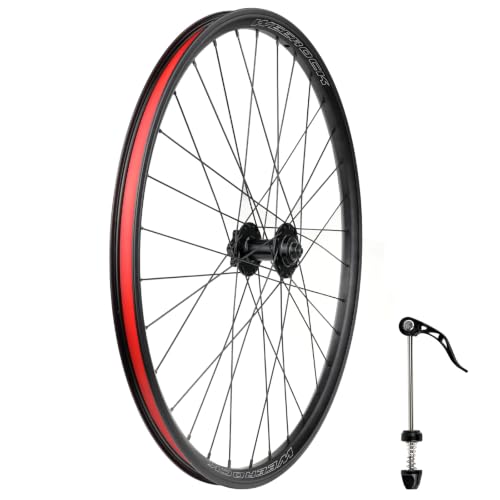
WEEROCK 26 Inch Front MTB Wheel Set Aluminium Alloy

WEEROCK Bike 29 Inch Rear MTB WheelSet Aluminium Alloy
WEEROCK Bike 26 Inch Rear MTB WheelSet Aluminium Alloy
WEEROCK 29 Inch MTB Wheel Set Aluminium Alloy
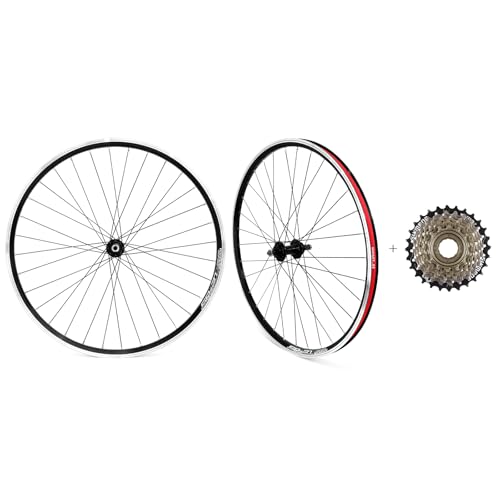
Exceedhub 26′ Mountain Bike Wheels Quick Release MTB Wheelset
What Each Pick Brings To The Table
A 27.5 inch pair suits mid-size trail frames where agility matters more than rolling over roots. The double wall aluminium rim adds stiffness around the spoke bed, and sealed bearing hubs keep grit out during dusty commutes. For most riders, this size balances maneuverability with trail stability.
Front and rear spacing at 100mm and 135mm matches standard quick release frames. Six bolt disc mounting limits fit to rotors with that pattern, so measuring the current rotor matters before ordering. You can swap this pair onto a compatible 27.5 bike without changing tires or brake pads in most cases.
Good Reasons To Consider
- Complete front and rear pair for 27.5 inch frames
- Double wall rim supports trail impacts and rim trueness
- Sealed bearings reduce dust and moisture entry at hubs
- Quick release levers simplify wheel removal for transport
Things To Consider
- Six bolt disc pattern only, centerlock rotors need a different hub
- Cassette gears from 7 to 11 speeds, thread-on gears need checking
Older 26 inch mountain bikes often need a full wheel refresh rather than a single rim repair. This pair brings matching front and rear wheels with the same hub and brake layout, which simplifies a complete swap. It works well for trail riding, campus commuting, and neighborhood paths.
Compared with the 27.5 inch set above, the smaller diameter suits frames built around 26 inch clearance. A 25mm rim width and 100/135mm spacing keep tire and frame fit predictable. Your current cassette range needs to fall within 7 to 11 speeds for a direct transfer.
What Makes Sense
- Matched pair avoids mixing old and new wheel sizes
- Double wall aluminium rim resists dents on rough ground
- Two bearing hubs support smoother rolling with less upkeep
- Quick release design allows fast removal without tools
- Six bolt disc mount fits common mechanical and hydraulic rotors
Worth Noting
- 26 inch size only, larger frames need a different diameter
- Cassette compatibility must be confirmed before ordering
Who It Suits Best
Riders with a 26 inch disc brake frame and cassette gears who need both wheels replaced at once.
Where Another Pick Suits Better
The WEEROCK 26 Inch Front MTB Wheel Set Aluminium Alloy suits riders who only need a front wheel repair.
A front only wheel makes sense when the rear still rolls true and the front took the damage. This 26 inch front wheel uses a 28mm rim and 32 spokes, a wider rim than the paired sets earlier in the list. That extra width can help some tire profiles sit more squarely.
Spacing is 100mm at the front fork, and the hub uses two bearings for sealed operation. Disc fit remains six bolt, so rotor transfer is straightforward on matching frames. You can measure fork spacing with a ruler before ordering to confirm a clean drop in.
Where It Excels
- Front only format lowers replacement scope for single wheel damage
- 28mm rim width differs from narrower paired options
- 32 spoke build supports load distribution across the wheel
Trade Offs
- Front only, rear damage needs a separate wheel
- Disc rotor pattern must match the existing six bolt mount
- Fork spacing measurement is required before purchase
Rear wheel trouble often involves gears and braking together, so a rear specific 29 inch wheel keeps that work focused. The 28mm double wall rim and 32 spoke layout mirror the front wheel above, but at a larger diameter. Larger wheels roll over trail obstacles with less abrupt angle change.
Rear spacing is 135mm, and cassette support covers 7 to 11 speeds. That range suits many trail drivetrains, though gear spacing still needs a direct check. You can transfer the existing cassette and rotor when both match the hub pattern.
The Upside
- Rear only design focuses on drivetrain side repairs
- 29 inch diameter suits modern trail frame geometry
- Double wall rim helps maintain shape after impacts
- Sealed bearing hub limits dust entry during dry rides
Minor Gripes
- Rear only, front damage needs a separate purchase
- Cassette and rotor transfer require matching patterns
Matching the front wheel above in size, this rear wheel completes a 26 inch repair path without buying a pair. The rim is 28mm wide with 32 spokes, and the hub carries two bearings. For most riders on older trail bikes, that combination keeps parts familiar and service straightforward.
Unlike the paired 26 inch set, this option leaves a sound front wheel in place. Rear spacing is 135mm, disc mounting is six bolt, and cassette support spans 7 to 11 speeds. Those details make transfer from the old wheel a simple comparison task.
Benefits That Matter
- Rear only format avoids replacing a sound front wheel
- Wider 28mm rim matches the front replacement option
- Sealed bearings reduce routine hub attention
- Quick release axle allows tool free wheel changes
Room For Improvement
- Single wheel only, full refresh needs another item
- Gear and rotor patterns must be checked before transfer
- 26 inch diameter limits use on larger frame sizes
Made For
Riders with a 26 inch disc brake bike who need only the rear wheel replaced.
Consider Something Else When
The WEEROCK Bike 26 Inch MTB Wheel Set Aluminium Alloy suits riders who need both wheels replaced together.
A full 29 inch pair gives larger wheels at both ends, which changes trail feel compared with the single rear wheel above. The 25mm rim is narrower than the 28mm single wheels, and the set lists 32 spokes. That narrower rim suits tires already sized for the current wheels.
Hub spacing follows the familiar 100mm front and 135mm rear pattern, with six bolt disc mounts and cassette support from 7 to 11 speeds. Your frame clearance for 29 inch tires remains the first check. In many cases, a paired set keeps front and rear rolling behavior consistent.
What Pays Off
- Complete pair maintains matched front and rear behavior
- 29 inch size rolls over trail obstacles more smoothly
- Sealed bearing hubs support wet and dusty conditions
- Quick release levers make transport and storage easier
- Double wall rims add structural support around spokes
Points To Note
- Narrower 25mm rim than the 28mm single wheels
- Full pair costs more effort to store than one wheel
Rim brakes set this pair apart from every disc option above, so brake type becomes the deciding factor. The double wall aluminium rims use 32 holes front and rear, with 19mm internal width and 25mm outer width. Schrader valves fit the valve holes, which suits standard tubes.
Steel spokes with extended copper heads and PVC rim tape aim to protect tubes from spoke contact. Hubs use two bearings front and rear, with 9x100mm front and 10x135mm rear quick release spacing. You can confirm rim brake pads and 7 speed gear fit before making the switch.
Points In Its Favor
- Rim brake design suits bikes without disc mounts
- PVC rim tape protects tubes from spoke ends
- Steel spokes with extended heads support spoke retention
- Sealed bearing hubs limit dust entry during rides
Softer Spots
- Rim brake only, disc brake frames need a different set
- Gear fit centers on a specific 7 speed pattern
- Tire width range is limited to 1.5 to 2.125 inches
What Matters Most Before Choosing Wheels For Mtb
Wheel Size And Frame Clearance
Wheel diameter must match the frame and fork, with 26, 27.5, and 29 inch options covering most trail bikes in this list. Tire width adds another layer, since a wider tire needs clearance at the chainstays and fork crown. Measuring current tires and frame gaps prevents a wheel that cannot turn.
Brake And Gear Compatibility
Disc wheels need the same rotor pattern as the existing setup, while rim brake wheels need pads that contact the rim cleanly. Cassette support ranges from 7 to 11 speeds on the WEEROCK options, and the Exceedhub pair centers on a 7 speed pattern. Matching those systems keeps a swap straightforward.
Hub Spacing And Rim Width
Front spacing at 100mm and rear spacing at 135mm appear across the list, which reflects common quick release frames. Rim width ranges from 25mm to 28mm on disc options, affecting tire profile and rim support. Your existing tires often indicate which width will work without extra changes.
Single Wheel Versus Paired Set
A single front or rear wheel suits isolated damage and keeps a sound wheel in service. A paired set suits a full refresh, especially when spoke tension or hub wear affects both ends. Storage space also matters, since a pair takes more room in a garage or apartment.
Key Considerations Across These Picks
Common Shopping Slip Ups
Ordering by diameter alone creates most fit problems, with brake pattern and hub spacing overlooked. Measuring fork and frame spacing, then checking rotor and cassette patterns, prevents returns. Tire width deserves the same check before the wheels arrive.
What The Higher Tier Buys
Paired sets and wider rims add material and matching work compared with single wheels. Sealed bearings and double wall construction also add manufacturing steps. Those features pay off when trail use is frequent and maintenance time is limited.
Frequently Asked Questions
How do I confirm a wheel fits my mountain bike?
Measure front spacing at 100mm and rear spacing at 135mm, then match wheel diameter to the frame. Check brake pattern and cassette range before ordering.
What is the difference between disc and rim brake wheels?
Disc wheels mount a rotor on six bolts for braking at the hub. Rim brake wheels use pads that squeeze the rim sides, so the frame and pads must match that system.
Can a single wheel replace just the front or rear?
Yes, front and rear specific options exist for isolated damage. The diameter, spacing, and brake pattern still need to match the existing wheel.
What does rim width affect on a mountain bike wheel?
Rim width shapes how a tire sits and supports the sidewalls under load. Wider rims suit wider tires, while narrower rims suit tires already sized for that profile.
Why do cassette speed ranges matter?
A hub built for 7 to 11 speed cassettes may not fit other gear clusters. Matching the existing cassette keeps shifting alignment and chain fit correct.
Wrap Up
For a complete refresh, the WEEROCK 27.5 Inch MTB Wheel Set Aluminium Alloy and the WEEROCK 29 Inch MTB Wheel Set Aluminium Alloy cover the two most common modern sizes. Single wheel options suit targeted repairs, and the rim brake pair suits older frames. Matching diameter, spacing, and brake type will point to the right choice.