
Race morning puts a premium on a helmet that stays cool in aero position and fits securely through transitions. You need airflow around the head, a retention system that holds without pressure, and a shape that suits long efforts in a tucked posture. The picks below separate true aero shells with shields from vented road helmets that also work for triathlon training, so matching head size and priorities matters more than chasing a single silhouette.
MIPS, short for Multi-directional Impact Protection System, names a low-friction layer inside the helmet designed to address rotational movement in certain angled impacts. Measure your head circumference before ordering, since sizing varies by model and a secure fit affects comfort across the bike leg.
An Overview Of The Picks
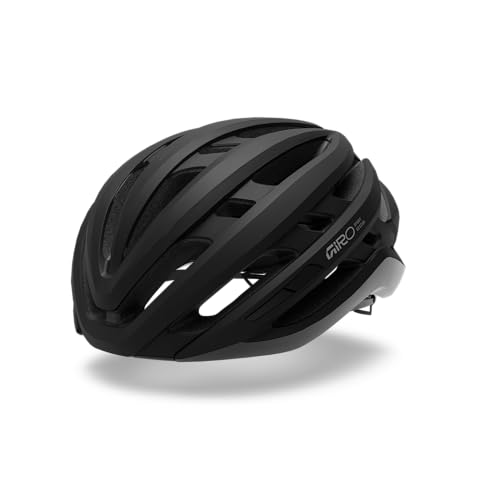
Giro Agilis MIPS Cycling Helmet Matte Black Medium

Giro Aerohead MIPS Bike Helmet Large
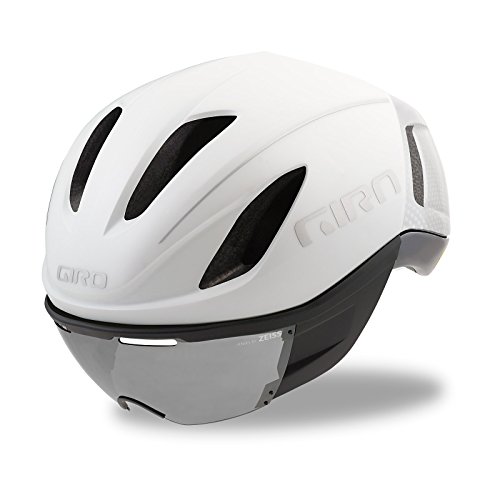
Giro Vanquish MIPS Cycling Helmet Matte White Medium

P2R A20 MIPS Bike Helmet with Rear Light
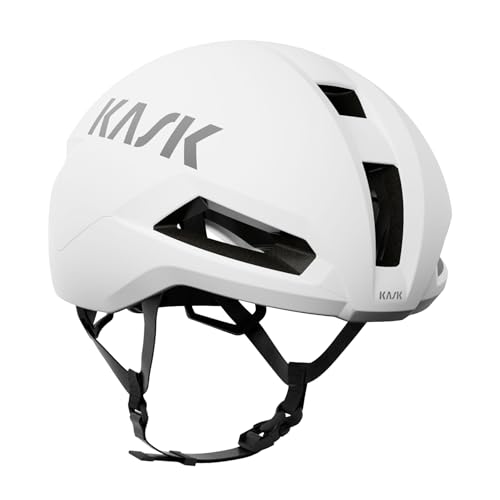
KASK Nirvana Bike Helmet White Matt Medium

Schwinn Thrasher Helmet Adults Size 58-62 cm
Inside Each Recommended Option
A vented road helmet with aero leanings gives you a practical middle ground for triathlon training. The two piece shell pairs a hard outer layer with a polycarbonate lower wrap fused to the liner, keeping structure without excess bulk.
Wind Tunnel ventilation, meaning vents plus internal channels that move air across the head and exhaust warm air, suits hot training days. Roc Loc 5 adjustment, a rear dial system for tension and tilt, helps you dial in stability on longer rides.
Benefits That Matter
- Integrated MIPS layer addresses rotational movement in angled impacts
- Roc Loc 5 dial allows one hand fit tuning during stops
- Internal channels support airflow on warm, sustained efforts
- Hardbody lower wrap adds durability around the shell edge
Things To Consider
- Medium sizing requires a head circumference check before ordering
- No integrated shield, unlike the Vanquish MIPS listed later
A long tail aero silhouette takes priority here, shaped for time trial and triathlon positions. Compared with the Agilis, this model trades everyday road styling for a more committed race profile.
Added ventilation helps on hot competition days, a key trade off in full aero shells. You get a vented ZEISS eye shield with magnetic attachment, plus over brow vents and four Wind Tunnel vents with internal channeling.
Practical Pluses
- Polycarbonate shell with Super Fit Engineering sizing range
- Vented shield supports eye coverage in aero position
- Over brow and Wind Tunnel vents aid cooling during races
Worth Noting
- Large size suits a narrower head circumference band
- Aero tail can feel bulky for casual group rides
Who It Suits Best
Triathletes and time trial riders who prioritize an aero shape and accept a more specialized fit.
Where Another Pick Suits Better
Giro Agilis MIPS Cycling Helmet Matte Black Medium suits riders who want ventilation and fit adjustment without a full aero tail.
TransformAir technology, Giro naming for shell shaping that streamlines airflow, defines this aero road helmet. It keeps a road helmet profile while adding race focused details, giving you a useful contrast with the longer tail Aerohead.
A magnetic VIVID shield by ZEISS docks in a stealth position, so storage stays clean. You benefit from eyeglass grippers, featherweight webbing, and progressive EPS layering, where EPS means expanded polystyrene foam with varied density zones in the liner.
Real-World Strengths
- Integrated MIPS with Roc Loc 5 Air fit system
- Magnetic shield attaches quickly and docks out of sight
- Four piece polycarbonate Hardbody shell interlocks for structure
- Wind Tunnel ventilation with internal channeling
- Eyeglass grippers help with eyewear during long rides
Trade Offs
- Shield adds a component to store and keep clean
- Medium size range needs a circumference check
An integrated rear light sets this commuter focused option apart from the aero shells above. It supports visibility on evening rides and urban commutes, where low light matters more than drag reduction.
Ventilation openings and a lightweight shell keep the design practical for fitness and recreational riding. You get rear adjustment, adjustable straps, and removable padding, so head circumference measurement before ordering stays important.
What Makes Sense
- Integrated MIPS and CPSC 16 CFR Part 1203 compliance stated
- Rear light included for low light visibility
- Removable padding allows washing and fit tweaks
Minor Gripes
- Not intended for motorcycle, moped, or ATV use
- Road and commuter shape lacks aero tail benefits
Wind tunnel shaped shell design targets road, track, and triathlon riders who chase aero efficiency. KASK states a 35% drag reduction and 19% airflow increase, figures that frame this as a race focused choice rather than a casual helmet, so match it to your race goals.
Hyvent structure, KASK naming for vent channels that direct airflow, works with strategically placed vents for cooling in varied head positions. You get OCTOFIT+ retention with a rubber dial, Multipod 3D printed padding for linear and rotational impacts, and a reflective rear graphic.
Advantages To Know
- Aerodynamic shell tested in wind tunnels for race use
- Ergonomic neck support and redesigned vertical stabilizer
- Eyewear port integrates glasses into the design
- Reflective rear graphic supports visibility
Room For Improvement
- Race focused shape may feel specialized for casual rides
- Medium sizing requires careful fit checking
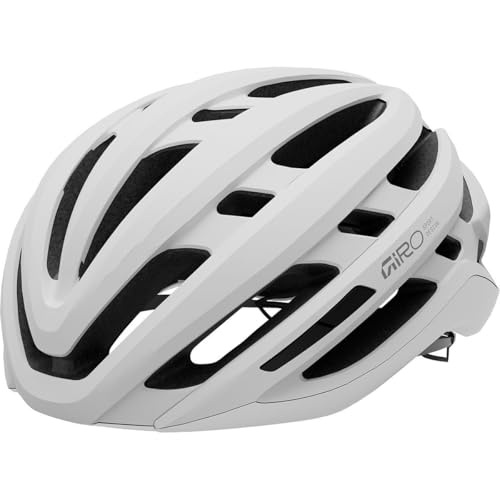
Same Agilis platform as the first pick, presented without a color and size suffix in the name. That makes size and color confirmation on the product page a practical step before ordering.
The hard shell with in mold Hardbody lower wrap and Wind Tunnel ventilation carry over from the earlier Agilis listing. You get Roc Loc 5 fit adjustment integrated with MIPS, keeping the focus on secure, adjustable comfort for regular road riding.
A Strong Showing
- Two piece shell fused to the liner for durability
- Integrated MIPS slip plane for angled impact design
- Roc Loc 5 allows quick tension and tilt tuning
Points To Note
- Name alone does not confirm size or color variant
- No shield included, unlike Vanquish MIPS
Made For
Riders who want the Agilis fit and ventilation platform for training and regular road use.
Consider Something Else When
P2R A20 MIPS Bike Helmet with Rear Light suits commuters who value a built in rear light over aero shaping.
A microshell design, meaning a lightweight outer shell construction, keeps this recreational helmet straightforward. It targets fitness and leisure riding, not aero race positions, which changes the decision completely.
Dial retention plus adjustable side and chin straps help create a secure fit across head shapes. You get removable padding that can be washed, multiple air vents, and a removable visor for shade, with sizing for ages 14 and up at 58 to 62 cm.
Why It Works Well
- Dial fit system adjusts with a simple twist
- Full coverage padding can be removed and washed
- Removable visor adds shade on sunny rides
- Microshell keeps weight low for casual use
Softer Spots
- Size band covers 58 to 62 cm only
- No MIPS layer listed, unlike the Giro and P2R picks
Fit, Airflow, And Race-Day Comfort Explained
Head Size And Retention Come First
Retention systems differ in how they adjust tension and tilt. Roc Loc 5, OCTOFIT+, and simple dial systems each aim for stability, and the right match depends on head shape and hair length. Check the stated size range against your measured circumference, since a helmet that shifts in aero position distracts during long efforts.
Aero Shape Versus Ventilation Trade Off
Full aero shells smooth airflow but can trap heat, while vented road helmets cool better on hot training days. Triathletes racing in sustained tucked posture gain more from aero shaping, and commuters gain more from vents and lights. Match the shell to the dominant use case, not to looks alone.
Shields, Lights, And Practical Extras
Integrated shields, rear lights, and removable padding solve specific problems. A shield helps in aero position, a rear light helps at dusk, and washable padding helps with frequent use. You pay for those features in complexity or storage, so weigh which extras match regular routes and conditions.
Key Considerations Across These Picks
Common Shopping Slip Ups
Ordering by color or size label without measuring head circumference leads to poor fit. Skipping the shield or light check also causes disappointment, since those parts are not universal across models.
What The Higher Tier Buys
Higher tier models add wind tunnel shaping, layered liners, and refined retention hardware. The upgrade pays off for competitive riders logging long aero efforts, and less so for short recreational rides.
Frequently Asked Questions
What size should a triathlon helmet be?
Size should match measured head circumference against the stated range for that model. A secure fit with even pressure matters more than the size letter alone.
Does an aero helmet work for everyday training?
It can, and ventilation becomes the deciding factor on hot days. Vented aero models suit training better than sealed race shells.
What does MIPS add to a helmet?
MIPS adds a low friction layer designed to address rotational movement in certain angled impacts. It sits inside the helmet and works with the fit system.
Are shields included with every aero helmet?
No, shields vary by model and some dock separately for storage. Check the listed components before ordering a helmet for race use.
Can a road helmet work for triathlon?
Yes, a vented road helmet with MIPS and adjustable fit handles many triathlon training days well. You trade some aero shaping for cooling and comfort.
Wrap Up
For race day focus, the Aerohead and Nirvana prioritize aero shaping, while the Agilis and Vanquish balance speed with ventilation. Match head size first, then decide how much aero shape matters for regular training. Your best choice is the one that stays comfortable through transitions and the full bike leg.