
A first ride looks different at 18 months than at four years, and that gap shapes every good choice in this group. Balance, pedaling, and steering arrive at different stages, so a trike, a balance bike, and a pedal bike each solve a separate problem. You can narrow the field by matching the design to the stage your child is in right now, not the stage ahead. Height and inseam matter more than age alone when the seat and frame are sized for a narrow window.
A Side-By-Side Look

Glerc Little Molly 12 Inch Kids Bike with Wicker Basket Pink

Umatoll Toddler Tricycle 18 Months to 4 Years

Glerc Rover Kids Bike 12 Inch Army Green
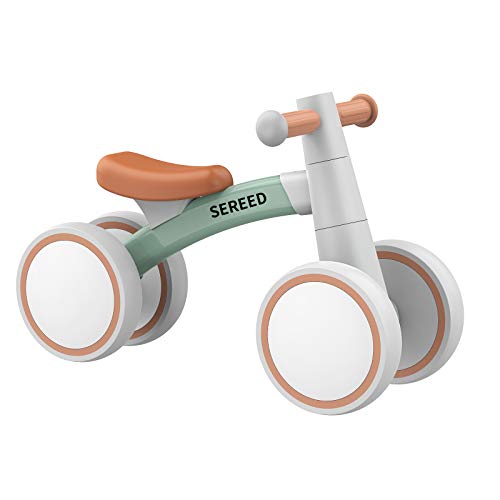
SEREED Baby Balance Bike for 1 Year Old

SEREED Toddler Balance Bike 2 Year Old Adjustable

JMMD 6 in 1 Toddler Bike with Push Handle 12 Inch

Umatoll Tricycle for Toddlers 2-5 Year Old
More On The Choices That Made The List
A retro cruiser look gives this 12-inch pedal bike its character, with a brown faux leather saddle and a wicker basket at the front. You get training wheels in the box, which helps a first rider focus on pedaling and steering before balance alone. The carbon steel frame and aluminum wheels keep the build simple and rigid, with a single speed for early city-style riding.
Short-travel aluminum brake levers and a lower standover height suit small hands and short legs, and the padded handlebar adds a layer of protection at the front. Hand brakes work alongside coaster brakes, meaning pedal-back braking, so two stopping methods are available during practice. Assembly arrives 85% complete and takes about 25 minutes with basic tools included.
A Strong Showing
- Training wheels included for early pedal confidence
- Dual braking options support gradual skill building
- Wicker basket carries toys on short neighborhood rides
- Lower frame height helps small riders mount and stop
Things To Consider
- 19-pound weight takes effort to lift into a car trunk
- Size window is narrow at 34 to 38 inches tall
Glerc Little Molly 12 Inch Kids Bike with Wicker Basket Pink
Three wheels and a wide wheelbase make this trike a calmer entry point than a two-wheel bike for a child still building coordination. A carbon steel frame supports that stable stance, and non-slip pedals help small feet stay planted on pavement or indoor floors. Steering practice happens at low speed, which builds confidence without the tipping risk of a balance bike.
Your child gets a 3-position seat that moves forward or backward as legs grow, covering 18 months to 4 years in the listing. Two baskets hold snacks and small treasures for park trips, and rear wheels light up with movement and no battery. Setup is quick, a practical plus for a gift that needs to be ready soon after opening.
Real Benefits
- Wide wheelbase lowers tipping risk during early steering
- Adjustable seat extends use across toddler years
- Dual baskets make park rides more self-contained
- Battery-free glowing wheels add play value indoors and out
- Quick setup suits busy households and gift giving
Worth Noting
- Trike format will not teach two-wheel balance
- Steel frame adds weight for stairs and car loading
Who It Suits Best
Children from 18 months to 4 years who need three-wheel stability before pedaling alone.
Where Another Pick Suits Better
SEREED Toddler Balance Bike suits children ready to practice balance for a future pedal bike.
Wide 2.4-inch tires give this 12-inch bike a steadier feel on pavement and light uneven ground than a narrow-tire cruiser. You can use that extra width on park paths where a thinner wheel might feel less settled. Training wheels are included, so the bike still supports a rider who is learning to pedal and brake at the same time.
Foot and hand brakes give two ways to slow down, which helps braking skills develop step by step. A water bottle holder and front basket add practical touches for longer outings, keeping drinks and small toys within reach. The bike arrives 85% assembled, with wheels, handlebar, and small parts left to attach.
A Few Strong Suits
- 2.4-inch tires improve grip on varied pavement
- Bottle holder supports hydration on longer rides
- Basket carries snacks and favorite toys
- Hand and foot brakes build stopping habits gradually
Trade Offs
- 21-pound weight is the heaviest pedal option here
- Height window of 33 to 37 inches is fairly narrow
- Training wheels add width for tight storage
At 12 to 24 months, a child is often still learning to walk with confidence, so a pedal-free design removes one task at a time. This balance bike uses a closed, widened wheel to reduce the chance of feet getting caught, and a 135-degree turning limit keeps steering from going too far. Gravity steering means the front wheel follows the lean, a simple way to introduce balance indoors.
An aluminum alloy frame keeps weight at 3.6 pounds, light enough for a child to drag and for an adult to carry one-handed. Non-slip TPU handle grips and a soft seat add comfort at the contact points, while non-slip wheels suit indoor floors and outdoor pavement. For most living rooms, that low weight matters more than any extra feature.
Benefits That Matter
- 3.6-pound frame is easy to carry and reposition
- Closed wheels reduce foot-catching risk
- Turning limit helps prevent sharp tip-overs
- Floor-friendly wheels work inside and outside
Minor Gripes
- No pedals, so it will not teach pedaling
- Use window ends at 24 months
For a 2 to 3 year old who can already run and climb, a pedal-free bike builds balance and steering in a way a trike cannot. Your child pushes with feet and glides, learning the lean that later transfers to a pedal bike. A wide carbon steel frame supports up to 110 pounds, so the structure is built for repeated daily use rather than occasional play.
Seat height adjusts from 12.6 to 17.1 inches and handlebar height from 19.6 to 22.5 inches, both with a quick-release system and no tools. EVA foam tires are airless, so there is no flat to fix, and they run quietly on indoor floors. At 7.8 pounds, the bike fits in a car trunk for park trips without much effort.
Reasons It Performs
- Tool-free adjustments grow with a changing child
- Airless EVA tires remove flat-tire maintenance
- 7.8-pound weight fits car trunk transport
- Stickers and plate allow personalization
Room For Improvement
- No pedals or brakes for stopping practice
- Steel frame is heavier than the 1-year balance option
- Balance-only format needs supervision on slopes
Made For
Children aged 2 to 3 who are ready for balance practice before pedals.
Consider Something Else When
Glerc Little Molly suits children who are ready to learn pedaling with training wheels.
One frame that moves from parent-push trike to tricycle, balance bike, and pedal bike covers 18 to 60 months without buying separate models. You can start with the push handle guiding speed and direction, then remove parts as skills grow. That staged approach spreads the cost of learning across several years, which is the main appeal here.
The push handle rotates 135 degrees and adjusts to adult height, while the seat and handlebar also adjust and a seat extension rod adds fit options. A 60-degree steering limiter reduces sudden turns, and a hand brake plus chain-free gear system keep control simple. One press of a red button folds the frame for trunk storage, and setup arrives 95% assembled.
Why It Works Well
- 6-in-1 conversion covers multiple developmental stages
- Push handle gives adults steering control early on
- One-button fold helps with travel and storage
- 12-inch puncture-proof wheels suit varied ground
- Training wheels and kickstand support later stages
Points To Note
- Conversion steps take time and parts must be stored
- Multi-stage design is bulkier than a single-purpose bike
Carbon steel construction, spring buckles, and reinforced screws give this trike a solid feel for daily yard and sidewalk use. Your child gets extended rear wheels and a wide wheelbase, a combination that resists tipping during pedaling and steering. That stability helps build muscle strength and confidence at a pace a two-wheel bike cannot match at this age.
A 2-position adjustable seat stretches the range from 2 to 5 years as pedaling skills improve. Removable front and rear baskets carry toys and treasures, and rear wheels light up with each turn and no battery. Compared with the earlier Umatoll trike, this version trades the 3-position seat for a longer age span and a sturdier steel build.
Everyday Wins
- Wide wheelbase and extended rear wheels resist tipping
- Removable dual baskets suit yard and park rides
- Adjustable seat supports use from 2 to 5 years
- Battery-free light-up wheels add play value
Softer Spots
- Steel build is heavier to lift than balance bikes
- Three-wheel format does not teach two-wheel balance
- Seat offers 2 positions versus 3 on the other Umatoll trike
Size, Stage, and Storage: What Matters Most
Matching Stage to Design
Balance bikes teach balance, trikes teach pedaling and steering with stability, and pedal bikes with training wheels teach pedaling with support. You should pick the stage your child is in now, because a design for a later stage often adds frustration. A child who cannot yet walk steadily gains more from a 12-month balance bike than from a 12-inch pedal bike.
Checking Fit Before Purchase
Height and inseam determine whether feet can reach the ground and the seat can sit low enough. Your child should stand over the frame with feet flat, a check that matters more than the age label on the box. Seat and handlebar adjustment ranges, where listed, show how much growth the design can absorb.
Weight and Storage Reality
Weight ranges from 3.6 pounds for the smallest balance bike to 21 pounds for the largest pedal bike, a gap that affects stairs, trunks, and hallway storage. Folding designs and airless tires reduce daily friction for families who travel to parks often. Measure the storage spot before ordering, especially for trikes with baskets and training wheels.
Brakes and Safety Details
Hand brakes build finger strength, coaster brakes use pedal-back motion, and steering limiters reduce sharp turns, each serving a different learning goal. Padded handlebars, closed wheels, and wide wheelbases address different risks at different ages. The right combination depends on where rides happen, indoors, on pavement, or on park paths.
Key Considerations Across These Picks
Common Shopping Slip Ups
Age labels alone mislead when height varies widely among toddlers. Skipping the inseam check leads to bikes that are too tall to mount safely. Buying a pedal bike for a child who still needs three-wheel stability often ends with the bike parked unused.
What The Higher Tier Buys
Convertible designs and adjustable components cost more because one frame replaces several purchases over time. Aluminum frames and folding mechanisms add convenience for transport and storage. Paying more makes sense when the design covers multiple stages or fits a daily travel routine.
Frequently Asked Questions
What age is a toddler bike suitable for?
Age ranges in this group span 12 months to 5 years, depending on trike, balance, or pedal design. Height and inseam should confirm the fit before purchase.
Should a child start with a balance bike or a trike?
A balance bike builds balance for a future pedal bike, while a trike builds pedaling and steering with stability. You can choose based on the skill your child needs next.
What size should the seat height be?
Seat height should let feet reach the ground flat when standing over the frame. Adjustable ranges, such as 12.6 to 17.1 inches on one balance bike, help match growth.
Are training wheels included with the pedal bikes?
Both 12-inch pedal bikes in this group include training wheels for early pedaling practice. Your child can remove them later as balance improves.
Which option folds for travel?
The JMMD 6-in-1 folds with one press of a red button under the frame. That design suits families who carry bikes to parks or on trips.
Final Thoughts
Match the design to the current stage, check height and inseam first, and weigh storage and carrying effort honestly. For early balance, the SEREED options fit different ages, while the JMMD covers the longest span. You will get the most value from the bike your child can mount, ride, and stop with confidence today.