
Long descents and dusty climbs punish feet that sit in cotton socks inside stiff cycling shoes. You need a pair that manages sweat, stays put on rough ground, and protects toes from rubbing during repeated pedal strokes. Fabric weight matters more on warm, exposed ridgelines than on shaded forest trails. Your choice comes down to fabric weight, cuff height, and how much cushioning suits the trails and weather ahead.
The Lineup, Simplified

Cycling Socks for Women and Men Icelandic Gravel

Swiftwick VISION Crew Socks Zion Large
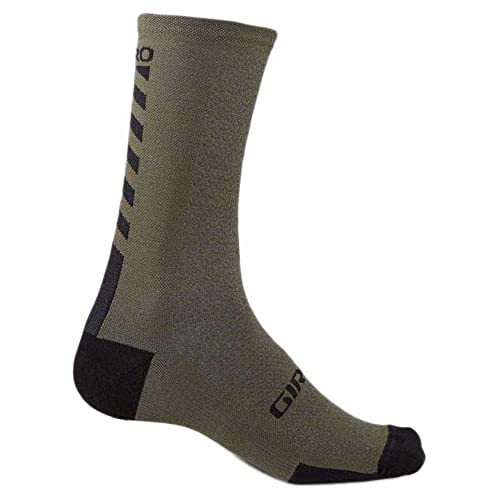
Giro HRC Plus Merino Wool Sock

BOBILIFE Cycling Biking Socks 2 Pairs Quarter Crew

SockGuy Squatchit 6in Crew Athletic Socks

Troy Lee Designs Performance Socks Scrubland Olive

YKYWBIKE Cycling Socks Athletic Crew Black
Inside Each Recommended Option
A thin, smooth aero knit defines this crew sock, aimed at riders who pedal in warm weather and dislike bulky fabric inside tight shoes. The Icelandic Gravel colourway and crew height suit gravel routes and mountain trails where brush and dust reach the ankle. Polypropylene makes up most of the blend, a synthetic fibre known for moving moisture outward rather than holding it against skin.
Elastic construction helps the sock stay seated during repeated standing climbs, and the solid pattern pairs cleanly with varied kit. Care stays simple with machine washing on warm to cold settings up to 105 degrees Fahrenheit. On long, hot loops, the low bulk feels noticeably lighter than the cushioned options later in this list.
Advantages To Know
- Thin knit reduces bulk inside snug cycling shoes
- Crew length shields ankles from trail debris
- Moisture-wicking blend supports dry feet on warm days
- Elastic fit helps the sock stay in place during climbs
Things To Consider
- Thin construction offers little cushioning on rough descents
- Size range shown is 39 to 42, so check sizing before ordering
National park artwork wraps the full sock in a 360 degree print, which gives this pair a clear identity on the trailhead. You get medium cushioning here, a step up from the thin knit, paired with moderate compression through the arch band. That arch band is a contoured strip under the foot that helps hold the sock aligned inside the shoe.
A virtually seamless toe reduces friction where toes rub during long efforts, and low-temperature printing aims to keep the fibre strong under the graphics. Nylon forms the main fabric, and production takes place in the USA. On mixed terrain, the balance of cushion and compression feels more forgiving than a stripped-down aero sock.
Key Advantages
- Medium cushioning softens contact on rocky sections
- Arch compression helps limit bunching inside shoes
- Seamless toe construction lowers toe friction
- Full-wrap print adds style without changing the knit feel
- Moisture-wicking fibres support comfort on long rides
Worth Noting
- Printed design is a preference, not a performance need
- Medium cushion adds bulk compared with thin aero socks
Cool mornings change the equation, and this merino blend answers with warmth that synthetic-only socks lack. Core-spun merino wool yarn wraps a core thread, giving a softer surface while keeping the structure of the sock intact. The blend includes 30 percent merino wool, with polyamide and elastane handling stretch and support.
A 7 inch high-rise cuff reaches well above the ankle, which helps in tall boots and on trails with low brush. Nylon reinforcement at toe and heel targets areas that wear first during repeated shoe contact. In our view, this suits shoulder-season rides better than the lightweight pairs earlier in the list.
What Works In Its Favor
- Merino wool adds warmth for cool weather riding
- High-rise 7 inch cuff protects higher on the leg
- Reinforced toe and heel address high-wear zones
- Elastane content supports a snug, stay-put fit
Trade Offs
- Warmer fabric feels heavy on hot summer rides
- Higher elastane share may feel snug for some feet
- Single pair per pack, so rotation needs extra pairs
Two pairs in one pack changes the math for riders who train several days a week and wash gear in batches. The quarter crew height sits lower than the Giro high-rise, which suits warm weather and shoes with a lower collar. Your feet get cushioning at heel, foot, and toe, with reinforced heel and toe zones for abrasion-prone spots.
The fabric mix blends nylon, cotton, and Lycra elastane, with combed cotton and tech-dry yarns in the sole for moisture handling. Arch compression aims to hug the foot during long efforts, and the striped pattern keeps the look simple. On damp days, the cotton share may hold more moisture than a fully synthetic knit, a trade-off worth weighing.
What Makes Sense
- Two pairs support a regular training rotation
- Cushioning at heel and toe targets rubbing zones
- Reinforced heel and toe add durability where wear concentrates
- Arch band compression helps the sock feel secure
Minor Gripes
- Cotton in the blend may feel damp in wet conditions
- Quarter height gives less protection than crew or high-rise
Who It Suits Best
Riders training across cycling, running, and gym sessions who want a spare pair in the same pack.
Where Another Pick Suits Better
Swiftwick VISION Crew Socks Zion Large suits riders who prefer a fully synthetic knit for wet trail days.
Airflow takes priority here, with a mesh upper that vents heat during climbs and a 6 inch crew cuff that stays above the shoe line. The base uses micro denier acrylic, a fine synthetic fibre that wicks moisture while staying soft against skin. Stretch-to-Fit sizing adapts across a wider range of foot sizes than a narrow size band.
A double-over cuff folds the top edge back on itself, a design detail that helps the cuff resist sliding down. Double-stitched nylon at heel and toe reinforces the spots that thin first. Compared with the BOBILIFE pair, this single pair leans more toward ventilation and less toward heavy cushioning.
The Practical Payoff
- Mesh upper supports airflow on hot rides
- Stretch-to-Fit sizing covers a wider foot range
- Double-over cuff helps keep the top in place
- Double-stitched heel and toe target wear zones
- Soft acrylic base aims to reduce hot spots
Points To Note
- Single pair per pack, unlike the two-pair BOBILIFE set
- Mesh upper offers less insulation on cold mornings
Motocross and BMX roots shape this performance sock, with a modern athletic form and a solid Scrubland Olive colourway. The muted tone suits riders who prefer a low-key look under trail shoes rather than bright graphics. Sport use listed includes BMX and cycling, which points toward riders moving between disciplines.
You can check the Small/Medium sizing shown for this pair against shoe size before ordering, since sizing clarity matters more with a single listed range. Origin is listed as made in the USA or imported, and the pack contains one pair. On dusty trails, the solid olive shade hides grime more forgivingly than a light colour.
Useful Strengths
- Scrubland Olive solid colour suits muted trail kit
- Athletic form fits BMX and cycling use
- Modern style pairs with trail and motocross shoes
Softer Spots
- Single listed size range needs a careful fit check
- Single pair per pack limits rotation options
Made For
BMX and downhill-leaning riders who want a muted athletic sock in olive.
Consider Something Else When
Giro HRC Plus Merino Wool Sock suits riders who need warmth and a higher cuff for cool weather.
Light compression across calf, ankle, and arch gives this black crew sock a snug feel without the heavier squeeze of some compression styles. A row of silicone at the cuff helps hold the top in place during pedalling and walking sections. The knit is mostly nylon with a small share of spandex for stretch.
A virtually invisible toe seam lowers friction at the toes, and a Y-shaped heel stitch follows the heel curve to limit slipping. Moderate thickness aims to suit all seasons, which makes this a straightforward training sock. Compared with the SockGuy mesh design, this pair trades venting panels for compression and cuff grip.
Positive Points
- Light compression at calf, ankle, and arch
- Silicone cuff row helps the sock stay up
- Virtually invisible seam reduces toe friction
- Y-shaped heel stitch follows the heel shape
Small Caveats
- Moderate thickness may feel warm on the hottest days
- Compression feel may be too snug for some feet
What Matters Most Before Choosing Socks For Mountain Biking
Fabric Weight and Moisture Control
Synthetic fibres such as nylon, polypropylene, and acrylic move sweat away from skin, while merino wool adds warmth in cool conditions. Cotton holds moisture longer, which can feel clammy on wet trails. Your riding climate should drive the fabric choice more than colour or pattern.
Cuff Height and Stay-Put Fit
Crew and high-rise cuffs protect ankles from brush, dust, and shoe edges, while quarter height suits warm days and lower shoe collars. Silicone rows, double-over cuffs, and arch compression each help a sock stay seated in different ways. A cuff that slides down during a climb quickly becomes a distraction.
Toe Seams and Reinforced Zones
Seamless or low-profile toe seams reduce rubbing where toes press against shoe ends during long pedalling blocks. Reinforced heel and toe areas address the zones that wear first, especially on rough descents. Cushioning placement matters here too, since padding at the heel and forefoot changes how a shoe feels over hours.
Key Considerations Across These Picks
Common Shopping Slip Ups
Sizing gets overlooked when a sock looks simple, yet a tight or loose fit changes comfort on every ride. Another slip is choosing a warm merino pair for summer heat, or a thin aero pair for cold, wet trails. Matching fabric and cuff height to the season avoids most disappointment.
What The Higher Tier Buys
Higher-tier construction often adds specialised yarns, targeted cushioning, and reinforced zones in one sock. That combination can suit riders logging long distances in changing weather. A simpler synthetic pair still covers most warm-weather needs well, so the upgrade makes sense mainly for frequent, long efforts.
Frequently Asked Questions
How tall should mountain biking socks be?
Crew length works for most trail riding because it covers the ankle and shoe edge. High-rise options suit tall boots or brush-heavy routes. Quarter height suits warm weather and lower collars.
Which fabric handles sweat on long rides?
Synthetic blends with nylon, polypropylene, or acrylic move moisture away from skin. Merino wool suits cooler rides where warmth matters. Cotton tends to hold moisture longer on wet trails.
Do compression socks help on rough descents?
Light compression can hold a sock firmly inside the shoe during vibration. Arch bands help limit bunching on long efforts. The feel remains a preference, with some riders preferring a looser fit.
How often should trail socks be washed?
Washing after each ride helps clear sweat and trail grime from the fibres. Machine washing on settings listed for the pair protects stretch and colour. Air drying helps elastane last longer.
Can cycling socks work for running and hiking?
Many athletic crew socks cross over to running and hiking with little change in use. Cushioning and cuff height decide the fit for each activity. A pair with reinforced heel and toe suits mixed terrain well.
Final Verdict
Warm-weather riders lean toward the thin or ventilated SockGuy pair, while cool-weather trails call for the Giro merino sock. You can build a rotation around one warm pair, one cushioned pair, and one light compression pair. That mix covers most seasons without overbuying.