
A saddle shapes how long a ride feels, especially on back-to-back training days. Width, cut-out shape, and rail material change pressure at the sit bones and the short nose. Narrowing those three details first saves guesswork later.
Your sit-bone width matters more than brand loyalty. You can measure roughly with foil on a chair, then match that width to a 140mm or 150mm platform. Longer rides also reward a cut-out that eases soft-tissue pressure.
The Lineup, Simplified

Selle Italia Sport Gel Flow Road Bike Saddle 270 x 140mm

Fizik Tempo Argo R5 Endurance Road Bike Saddle 150mm
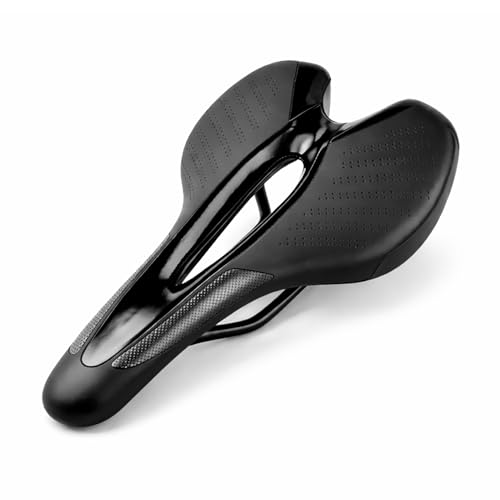
Bike Seat Saddle Waterproof Lightweight Design Road MTB Bicycle
Bike Saddle Carbon Fiber Super Lightweight Road Bike Seat

WTB Gravelier Fusion Form Base Bike Saddle
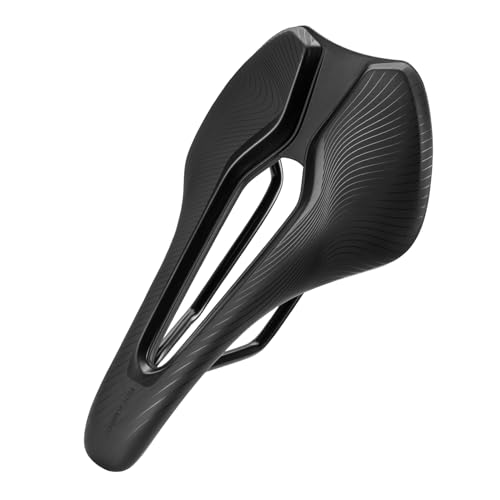
ROCKBROS Bike Seat Road Bike Saddle Breathable Ergonomic
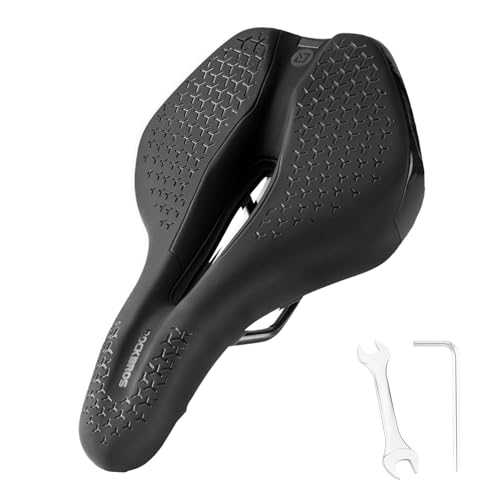
ROCKBROS Comfort Bike Seat Wave Ergonomic Bicycle Saddle
What Each Pick Brings To The Table
Long weekend rides suit this padded Selle Italia shape. You get a gel layer under a Flow cut-out, a channel that relieves pressure at the front. The 270 x 140mm platform gives sit bones room without feeling bulky.
Extra padding runs through the rear, which helps on century-style days. Duro-Tek cover material keeps weight low while standing up to regular use. Steel rails at 7mm fit nearly any standard seatpost.
A Favorable Mix
- Gel plus cut-out eases pressure on longer rides
- 140mm width supports sit bones on endurance days
- Lightweight cover helps keep total bike weight down
- 7mm steel alloy rails install on standard posts
Things To Consider
- Padding feels soft for some riders, firm for others, so a short break-in period helps judge fit
- Steel rails add weight compared with carbon or titanium options in this list
Endurance riders who shift around a lot often settle faster on a short nose. This Fizik shape plants the pelvis and spreads weight across a generous rear. Wingflex edges flex with inner leg movement during pedaling.
Type 2 foam feels softer and more progressive than racing foam, with thicker padding at the sit bones. That setup suits a slightly upright posture on all-purpose road bikes. Your position stays planted, which can make long training blocks feel steadier.
The Practical Payoff
- Short nose allows sitting further forward comfortably
- Flexible side edges adapt to pedaling motion
- Progressive foam supports upright endurance posture
- Carbon reinforced nylon shell balances flex and support
Worth Noting
- 150mm width suits wider sit bones, narrower riders may prefer a smaller platform
- 241g weight sits above the carbon pick later in this list
Casual riders swapping a worn stock saddle get a straightforward upgrade here. You get PU leather over high-density foam, with a direct slot channel for airflow. A tapered front and wider rear help reduce leg rubbing.
At 320g, this shape stays light for a padded option. Side markings on the rails make centering the saddle faster during setup. Compared with the Fizik Tempo Argo R5 Endurance Road Bike Saddle 150mm, this one trades shaped foam tuning for simple cushioning.
What It Does Well
- Waterproof PU surface wipes clean after wet rides
- Air channel helps keep the contact area cooler
- 320g weight keeps a casual build light
- Marked rails simplify fore-aft positioning
Trade Offs
- Foam tuning is generic compared with the shaped Fizik and Selle Italia options
- 220 lb support limit matters for heavier riders checking capacity
Who It Suits Best
Casual riders on road or MTB bikes who want a padded replacement without fuss.
Where Another Pick Suits Better
Fizik Tempo Argo R5 Endurance Road Bike Saddle 150mm suits endurance riders who want shaped foam and a short nose.
Weight matters on a climbing build, and this full carbon shell answers that directly. At about 120g, it is far lighter than the padded picks earlier in this list. A central vent channel helps airflow at the contact points.
There is no padding here, so your bib shorts carry the comfort load on longer rides. The 275 x 143mm shape fits standard seatposts and suits road, MTB, and BMX frames. In practice, that unpadded shell feels firm, which some riders love and others will not.
Real Benefits
- 120g carbon shell saves significant build weight
- Vent cut-out improves airflow and pressure relief
- 143mm width fits many standard seatposts
Minor Gripes
- Unpadded carbon shell demands padded shorts on long trips
- Firm feel suits experienced riders more than newcomers
- Frequent returns noted on the listing suggest fit checks matter
Gravel days mix pavement, dirt, and rough tracks in one ride. You can shift position on this wide midpoint without losing support. A 246mm length and contoured pelvis cradle help riders with limited flexibility.
Fusion Form base flex balances support with vibration damping on rough surfaces. A long perineal relief cut-out eases numbness in a forward lean. Four rail options let the same shape match different weight and durability goals.
What Makes Sense
- Wide midpoint allows easy position changes on gravel
- Long cut-out helps in forward-leaning posture
- Four rail materials cover light to rugged needs
- Integrated tool mount aids bikepacking storage
- Fiber-infused nylon base tunes flex by surface
Room For Improvement
- Choosing among four rail options adds a decision step before ordering
- Gravel-specific geometry feels less suited to pure road racing posture
Commuters and training riders share a need for a saddle that cleans up easily. PVC eco-leather resists rain penetration and wipes down after dirty rides. Foam inside gives a flexible, resilient feel under the sit bones.
A hollow center channel boosts airflow, while a narrow front and wide rear reduce leg rubbing. Chromium-molybdenum steel rails and a nylon shell with 20% fiberglass add stability. Marked rail positions help with quick setup on road or MTB frames.
Everyday Perks
- Waterproof surface resists dirt and rain
- Hollow channel promotes air circulation
- Marked rails make position adjustment faster
- Rear mounting holes accept tail light accessories
Points To Note
- Foam density and shell flex differ from the tuned Fizik shape, so fit feel varies by rider
- PVC surface may feel less premium than leather options for some riders
Made For
Daily riders who want a breathable, easy-clean saddle for road or MTB bikes.
Consider Something Else When
WTB Gravelier Fusion Form Base Bike Saddle suits gravel riders who want position freedom and a tool mount.
City and road riders often deal with pressure at the front of the saddle. A downward tilting wave shape eases crotch compression on upright bikes. High-density foam absorbs road vibration across longer rides.
At about 340g, this pick sits heavier than the carbon option but lighter than many padded saddles. Carbon steel rails resist deformation, and side markings help with precise installation. A straight slot channel keeps air moving through the center.
Standout Benefits
- Wave front reduces front pressure on upright rides
- High-density foam gives soft, resilient support
- Anti-slip PU surface helps hold position
- Marked rails simplify installation and adjustment
Softer Spots
- 340g weight adds up on weight focused builds
- Wave shape may feel unusual for riders used to flat saddles
What Matters Most Before Choosing Road Saddles
Width And Sit Bone Support
Width decides where pressure lands on long rides. A 140mm platform suits narrower sit bones, while 150mm gives wider riders more room. You can check width first, then shape.
Cut-Out Shape And Posture
A Flow or Argo cut-out relieves soft tissue pressure in a forward lean. Upright city posture may favor a wave front instead. Posture tells a lot about which channel works best.
Rail Material And Weight Goals
Steel rails bring durability at a weight cost. Carbon rails save grams but need padded shorts on long trips. Gravel riders gain flexibility from choosing among four rail types.
Surface And Weather Use
PU and PVC surfaces wipe clean after rain. Leather-style covers feel different under shorts in heat. Commuters riding daily often value easy cleaning over a racing feel.
Key Considerations Across These Picks
Common Shopping Slip Ups
Many riders buy by brand alone and skip width checks. That leads to numbness on rides over an hour. Measuring sit bones first prevents most fit problems.
What The Higher Tier Buys
Higher tier models use lighter rails and tuned foam density. Carbon and titanium rails cut weight without changing shape. The upgrade pays off on climbing builds and long rides.
Frequently Asked Questions
How do I measure saddle width for road riding?
Sit on foil for 30 seconds, then measure the distance between the deepest dents. Add 20mm to that number for a starting width.
Are cut-out saddles better for long rides?
Cut-outs often help in a forward lean by easing soft tissue pressure. Riders on upright bikes may prefer a wave front instead.
Should I choose carbon rails or steel rails?
Carbon rails save weight for climbing builds. Steel rails cost less and suit daily use where grams matter less.
Can a gravel saddle work on a road bike?
Yes, gravel shapes with a wide midpoint work well on mixed terrain. Pure road racing posture may feel less supported on those shapes.
How often should a saddle be replaced?
Replace a saddle when padding compresses unevenly or the shell flex changes. Worn foam shifts pressure in ways adjustments cannot fix.
Final Verdict
Endurance riders will likely settle on the Fizik Tempo Argo R5 Endurance Road Bike Saddle 150mm for its planted shape. Gravel riders gain more from the WTB Gravelier Fusion Form Base Bike Saddle. Match width and posture first, then let weight and surface decide the rest.