
Cold hands make braking feel clumsy and long rides feel shorter than planned. Road cycling mitts and gloves in this lineup cover warm summer ventilation, deep winter insulation, and handlebar-mounted warmth for commuting. You get a clearer path here: match the mitt style to season, fit, and control needs before looking at colors or extras.
The Lineup, Simplified

Lamicall Bike Gloves Anti-Slip Shock-Absorbing Pad Medium

GripGrab Ride Deep Winter Lobster Cycling Gloves 3-Finger
Giro Bravo II Gel Bicycle Gloves Black Medium
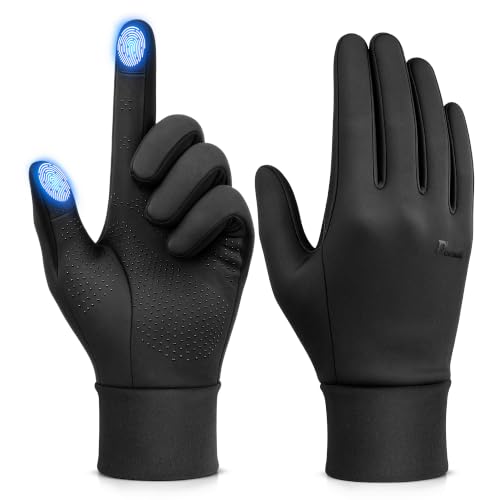
Deemii Winter Gloves Lightweight Thermal Plush-Lined
Giro Jag Mens White Medium Gloves

ROCKBROS Winter Handlebar Mittens Thinsulate Thermal

Zewdov 1000LM Bike Lights Spotlight Floodlight
A Deeper Look At The Lineup
Warm-weather riders who want palm cushioning without a bulky winter glove get a clear match here. The 5mm foam pad spreads vibration from rough pavement, while mesh across the back lets heat escape on climbs. You will notice the thicker palm more on long descents, where pressure builds under the hands.
Lycra here means a stretchy synthetic knit that moves with the hand and wicks moisture, so the back stays flexible during sweaty efforts. Silicone strips on a microfiber palm add grip on damp hoods, and double stitching supports repeated use. A terry patch on the thumb gives a quick place to wipe sweat at a stop.
Reasons It Performs
- 5mm palm foam cushions chatter on rough roads
- Mesh and Lycra back keep hands cooler on warm rides
- Silicone grip strips hold steady on wet brake hoods
- Hook-and-loop strap adjusts fit at the wrist
- Thumb terry patch handles sweat without stopping
Things To Consider
- Medium sizing in this listing suits only one hand size
- Padding adds thickness that some riders may feel on levers
Unlike the Lamicall pair, this lobster design trades full finger separation for shared warmth around freezing point. Three fingers keep heat together while the forefinger stays separate for braking and shifting. Gravel riders on cold, rough tracks get insulation plus a padded palm for control.
Softshell means a wind-resistant outer layer with some stretch, and DWR means a durable water-repellent finish that sheds light moisture. Your hands stay warmer because fleece lining traps air inside, though heavy rain remains a limit. Sizing up one size from summer gloves helps avoid a tight squeeze.
What Works In Its Favor
- Lobster shape shares warmth across fingers in deep cold
- Separate forefinger keeps lever control practical
- Fleece lining and padded palm suit winter roads
- Silicone gripper on palm and fingertips steadies handling
Worth Noting
- Not suited to heavy rain despite water-repellent finish
- Shared fingers reduce fine dexterity compared with full gloves
- Touchscreen patches on thumb and index suit short taps only
Road riders who prioritize bar feel over maximum padding will appreciate the tailored palm here. A three-piece palm follows hand movement, so fabric bunches less when hands rotate on the hoods. You get gel under the palm for rough pavement without the thicker foam feel of the Lamicall pair.
The back uses moisture-wicking stretch woven fabric, which pulls sweat away during climbs. A recycled AX suede palm adds grip texture, and up to six sizes per model help match hand shape. That sizing range matters because a tight glove can numb fingers on a long ride.
What It Does Well
- Three-piece palm reduces bunching during hand movement
- 3mm gel padding cushions rough roads and gravel
- Stretch woven back wicks moisture on warm climbs
Trade Offs
- Tight fit prompts returns for some shoppers
- Less padding than the 5mm Lamicall palm
Shoulder-season commuters get lightweight warmth here, aimed at 32 to 50 degrees Fahrenheit. A plush lining feels soft against skin, while a stretch blend of polyester and spandex keeps the fit flexible. Compared with the GripGrab lobster pair, this full-finger design suits milder cold and everyday errands.
Conductive fabric on thumb, index, and middle fingers allows phone taps without removal, a handy detail at traffic lights. Silicone coating across the palm adds grip, and a PU membrane helps block wind. Below 25 degrees, layering under warmer outer gloves makes more sense than relying on these alone.
Positive Takeaways
- Plush lining adds warmth without bulky bulk
- Touchscreen tips on three fingers aid phone use
- Silicone palm coating steadies grip on bars
- Stretch cuffs help seal cold air at wrists
- Wide size range from S to XXL fits varied hands
Minor Gripes
- Water-repellent finish suits light spray, not heavy rain
- Hand washing and low-temperature drying protect softness
Who It Suits Best
Commuters riding in mild winter weather who want phone access without removing gloves.
Where Another Pick Suits Better
GripGrab Ride Deep Winter Lobster Cycling Gloves 3-Finger suits riders facing freezing temperatures on longer routes.
New road riders often need a straightforward glove that protects palms without complicated features. This Giro design shapes palm, fingers, and padding zones to follow hand contours. Your first long rides benefit from less bunching, since fabric stays flatter against the bar.
The three-piece palm supports natural movement while keeping grip and bar feel clear. Compared with the Giro Bravo II Gel Bicycle Gloves Black Medium, this pair focuses on fit and protection rather than gel cushioning. A medium size in white is listed here, so hand measurement matters before ordering.
Practical Pluses
- Tailored palm shape reduces bunching on hoods
- Three-piece construction allows natural hand movement
- Palm coverage protects hands during recreational rides
Room For Improvement
- Tight fit prompts returns for some shoppers
Made For
Beginners on recreational road rides who want a clean, tailored palm fit.
Consider Something Else When
Giro Bravo II Gel Bicycle Gloves Black Medium suits riders wanting gel cushioning for rough pavement.
Winter commuters who hate glove changes get a different approach here: mitts mount on the handlebars themselves. Thinsulate is a synthetic insulation that traps warm air, and thermal fleece inside adds another layer. You can ride with bare hands inside, keeping brake and shifter access direct.
Pull straps cinch around cables and bars to limit cold air entry, and the shape extends partway up the arm. Reflective patches improve visibility in low light, while a zipper opening vents heat on milder days. Fit covers mountain, e-bike, fat, and commuter bikes, though prolonged rain can seep through stitching.
A Strong Showing
- Handlebar mounting keeps hands warm without gloves
- Thinsulate and fleece suit below-freezing commutes
- Cinch straps block cold air around cables
- Reflective patches aid visibility in low light
Points To Note
- Stitching is not waterproof for prolonged rain
- Large shape changes cockpit feel and storage needs
- End plugs secure mitts, so bar setup needs a check
Night rides pair naturally with gloves, since visibility matters as much as warmth after dark. This set combines a front light with a rear light for road cycling and commuting. You get a 1000-lumen front output with spotlight reach up to 984 feet plus 180-degree flood coverage for side visibility.
Five front modes and six rear modes let lighting match traffic, dark roads, or daytime visibility needs. Aluminum alloy housing and IP65 rating address rain, splashes, and dust, where IP65 means sealed against dust and water jets. USB Type-C charging simplifies powering both lights.
Benefits That Matter
- Spotlight and floodlight cover distance and periphery
- Front battery runs up to 8 hours per charge
- Tool-free mounting speeds setup before rides
Softer Spots
- Separate front and rear batteries need separate charging
- Long runtime depends on chosen lighting mode
Fit, Warmth, and Grip Matter Most Here
Season Sets The Baseline
Summer mitts prioritize airflow and sweat control, while winter gloves prioritize trapped air and wind blocking. A lobster or handlebar mitt suits freezing commutes, and a plush-lined full glove suits milder cold. Match insulation to typical ride temperature first, then refine for rain or night use.
Palm Design Changes Control
Foam thickness, gel placement, and palm shape affect pressure on long rides. Thicker foam cushions rough pavement, while a three-piece palm keeps bar feel sharper. Silicone grip prints help on damp hoods, and touchscreen tips help at stops without removing gloves.
Fit Beats Extra Features
A glove that pinches fingers or bunches at the palm distracts during braking. Measure hand circumference and compare sizing guidance before ordering, since brands size differently. You should also check cuff style, because stretch cuffs seal cold air better than open wrists on winter rides.
Cockpit Compatibility Deserves A Check
Handlebar mittens need space around cables, levers, and bar ends, so cockpit layout matters more than with regular gloves. Confirm end plugs and strap access suit the bike, especially on e-bikes with wider controls. Regular gloves need no installation, which keeps setup simple for varied bikes.
Key Considerations Across These Picks
Common Shopping Slip Ups
Many shoppers size winter gloves like summer mitts and end up with tight fingers that feel colder. Others overlook rain limits and assume water-repellent finishes handle heavy downpours. Checking temperature range, sizing notes, and seam limits before ordering avoids both problems.
What The Higher Tier Buys
Higher-tier pairs often add tailored palm patterns, recycled materials, and broader size ranges. Those details improve fit consistency and grip placement, which matters on longer rides. Paying more pays off when comfort and control affect every mile, not just short commutes.
Frequently Asked Questions
Are road cycling mitts different from full-finger gloves?
Mitts leave fingers exposed for airflow and lever feel, while full gloves cover fingers for cold weather. Summer road rides often suit mitts, and winter rides often suit full gloves or lobster designs.
What temperature range suits lobster gloves?
Lobster gloves suit deep winter rides around freezing point, where shared fingers retain more warmth. Full-finger gloves suit milder cold and give better dexterity for frequent shifting.
Do gel pads help on rough roads?
Gel pads cushion vibration under the palm without adding a thick foam layer. That trade-off suits riders who want comfort while keeping bar feel fairly direct.
Can handlebar mittens work on e-bikes?
Handlebar mittens can fit e-bikes, mountain bikes, fat bikes, and commuter bikes with compatible bar setups. Checking cable space and end plug fit helps confirm compatibility before installation.
Are touchscreen gloves useful for cycling?
Touchscreen tips let riders tap a phone or bike computer without removing gloves. Short taps work best, while longer typing remains awkward with conductive fingertips.
Final Verdict
For warm road rides, the Lamicall pair offers thick palm cushioning and breathable airflow. Deep winter riders should look at the GripGrab lobster design, while commuters facing freezing temperatures may prefer ROCKBROS handlebar mittens. Match season, fit, and control needs, and the right choice becomes clear.