
Steep climbs punish heavy frames and tall gearing, so you want low weight, a wide gear range, and brakes that stay calm on long descents. Your choice also depends on whether you plan to pedal under your own power or use electric assist on loose, uneven grades. The picks below split cleanly between lightweight road machines and motor-assisted options for riders who want help on the steepest pitches.
The Lineup, Simplified

HILAND 700C Road Bike Aluminum White S
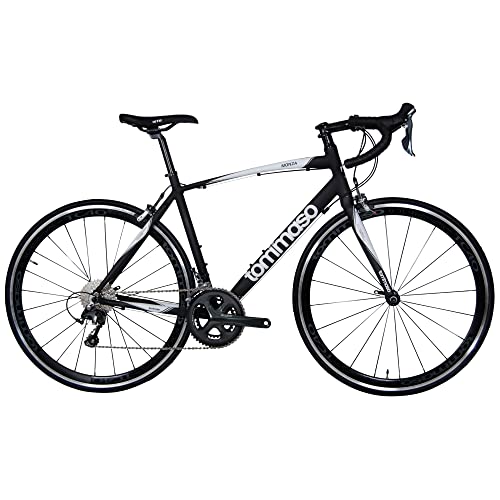
Tommaso Monza Sport Bike Aluminum Shimano Tiagra 24 Speeds Black 56cm

9000W 50MPH Dual Motor E-Bike 26 Inch Fat Tire PU266

MYHAMY 26 Inch Fat Tire Electric Bike Off-Road Ebike

LUKSTR 700C Road Bike Shimano 14-Speed Sport Bike

SAVADECK Carbon Road Bike Shimano SORA 18-Speed
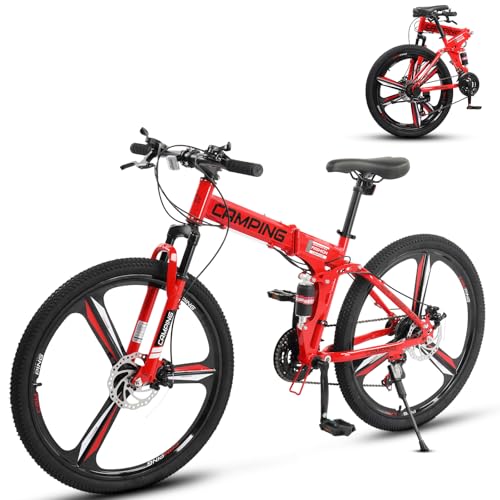
CamPingSurvivals 26 Inch Foldable Bike 21 Speeds Full-Suspension
The Picks, Examined More Closely
A lightweight aluminum frame and 700C wheels make this a straightforward entry into hill training on paved roads. A derailleur, meaning the mechanism that moves the chain between gears, gives 14 speeds across front and rear, so steep ramps can be taken in a lower gear while descents stay controlled. That setup suits riders who commute on weekdays and want a harder workout on weekends.
Size choice matters here, and you should match height to the listed ranges: 49cm for 5’3″ to 5’6″, 53cm for 5’6″ to 6′, and 57cm for 6′ to 6’4″. Dual caliper brakes, which squeeze the rim from both sides, keep the build lighter than disc brakes, though stopping on long wet descents takes more planning. Arrival at 85% assembled, with tools included, keeps setup short.
The Value In It
- Aluminum frame keeps climbing weight down for daily training
- 14-speed front and rear derailleurs spread effort on grades
- 700C tires roll over bumps with less rolling resistance
- Three frame sizes cover a wide height range
Things To Consider
- Caliper brakes need extra care on steep, wet descents
- Rigid fork passes road vibration straight to the rider
Compared with the HILAND 700C Road Bike Aluminum White S, this Monza leans harder into shifting quality for long climbs. A Shimano Tiagra groupset, meaning the matched set of shifters, derailleurs, and crank, pairs a 50/34T compact crankset with an 11x32T cassette. That pairing gives low gears for sustained grades and enough range for faster valley roads, in our view a clear step up for riders logging century-style days.
Your fit check starts with the single 56cm size in black, so taller riders should confirm reach before committing. Optimized geometry and compact handlebars aim for a comfortable position over long rides, and STI levers combine braking and shifting in one control. Professional assembly and tuning are called for before riding, which adds a setup step worth planning around.
Everyday Advantages
- Tiagra shifters give crisp, repeatable gear changes under load
- 50/34T crank and 11x32T cassette suit steep, sustained climbs
- Aluminum frame balances weight with road stiffness
- Compact handlebars support a longer, steadier riding position
- Full Tiagra component set simplifies future part matching
Worth Noting
- Only one frame size limits fit options
- Professional tuning is required before first use
Tommaso Monza Sport Bike Aluminum Shimano Tiagra 24 Speeds Black 56cm
Motor power replaces leg power here, and that changes the climbing equation completely. Dual brushless motors with peak output rated at 9000W and torque at 240 Nm are built for steep, loose terrain rather than smooth pavement. You may find the six working modes, including dual-motor throttle and pedal assist, make it easy to match help to the grade ahead.
A 60V 20Ah battery is listed for 40 to 100 miles per charge, with a lockable, removable design for charging indoors. Fat tires at 26×4.0 inches and dual hydraulic brakes address traction and stopping on heavy, fast descents. Front suspension, fenders, a TFT display, and a cargo rack round out a machine aimed at trails, not road racing.
What Makes Sense
- Dual motors deliver strong torque for steep off-road grades
- Removable 20Ah battery suits longer trail days
- Hydraulic brakes handle speed and load with control
- Fat tires widen contact for sand, snow, and gravel
Trade Offs
- Heavy electric build makes manual pushing harder
- Trail focus makes it a poor fit for pure road climbing
- Charging access needs planning on long trips
Unlike the dual-motor PU266 above, this MYHAMY uses a single 750W motor with 2000W peak output and 100 Nm of torque. That is still enough, on paper, for 25% grades, and the focus shifts toward carrying gear on camping trips. A low step-thru high-carbon steel frame makes mounting easier with a loaded bag, and a 350-pound maximum supports rider plus cargo within that limit.
Dual front and rear suspension smooth rocks and roots, while hydraulic disc brakes and a smart tail light with turn signals help at road crossings. The semi-integrated 48V 18Ah battery is listed for 45 to 85 miles per charge, is lockable, and is weather-sealed for outdoor parking. For most trail riders, that mix of suspension and signaling is the practical draw, not top speed.
Key Advantages
- 100 Nm torque supports steep grades with camping gear
- Dual suspension smooths rough, unpaved trails
- Step-thru frame eases mounting with a load
- Hydraulic brakes and signaling tail light aid trail-to-road links
- Lockable battery suits multi-day outdoor trips
Minor Gripes
- Steel frame and 38.3kg weight make lifting onto racks hard
- Trail-only focus limits smooth road climbing use
Who It Suits Best
Campers and trail riders who need electric help on loose, steep routes with gear attached.
Where Another Pick Suits Better
SAVADECK Carbon Road Bike Shimano SORA 18-Speed suits riders who want a lightweight, pedal-only road climb instead.
Disc brakes set this LUKSTR apart from the HILAND model, and that matters on long descents after a climb. Front and rear disc brakes, which use a rotor and caliper rather than rim pressure, give stronger stopping in traffic and wet conditions. A high-carbon steel frame, 4cm-wide aerodynamic rims, and 700x28C tires keep the focus on city commutes that include hills.
You get a Shimano A050 drivetrain with a 50/34T crankset for low climbing gears, plus two-way seat adjustment for fit. Frame choice is M at 49cm for 5’1″ to 5’8″ or L at 53cm for 5’6″ to 6’3″, with overlap in the middle range. Assembly follows four steps covering handlebar, seat, front wheel, and pedals, which keeps initial setup simple.
The Upside
- Dual disc brakes improve control on steep descents
- 50/34T crankset provides low gears for city hills
- Two frame sizes and adjustable seat aid fit
- 700x28C tires balance grip with rolling efficiency
Points To Note
- Steel frame is heavier than aluminum or carbon options
- Rigid fork offers no shock absorption on rough roads
Carbon is the headline here, with a T800 carbon frame, fork, and seat tube listed at 8.9kg. That weight saving shows up on climbs and accelerations, where less mass to lift makes each pedal stroke count more. Your first carbon bike often comes with a learning curve on fit and handling, and the 90% assembled arrival, ready in about 15 minutes, softens that step.
A Shimano SORA 2×9 groupset, meaning two chainrings up front and nine speeds at the rear, gives smooth, precise shifts for new road riders. Aero shaping, internal cable routing, and a tapered head tube, which is the front steering section, support stable handling. The wheelset pairs 6061 alloy rims with Continental Ultra Sport II 700x25C tires, and platform pedals are included.
What Earns Its Place
- 8.9kg carbon build eases climbing and acceleration
- SORA 18-speed shifting suits new road riders
- 90% assembly cuts setup time to about 15 minutes
- 700x25C tires offer grip and puncture resistance
- Internal routing keeps the frame lines clean
Small Caveats
- Double V-brakes need more modulation on long descents
- Carbon care calls for careful storage and handling
Folding storage is the main reason to consider this pick over a fixed-frame road bike. A 26-inch folding frame with full suspension and a soft-tail design, meaning rear flex built into the frame, aims to absorb vibration on trails and highways. That makes it a different kind of climbing tool, one built around space saving and trail comfort rather than road speed.
A 21-speed system and dual disc brakes give low gears for steep pitches and stopping power in wet conditions. Double-walled rims and slip-resistant tires support gravel, mud, and rocky ground, while aluminum alloy wheels and a quick-adjust seat post help with fit. Arrival at 85% assembled means handlebars, seat, front wheel, and pedals still need fitting, plus brake and gear adjustment.
Practical Pluses
- Folding frame fits small storage spaces and car boots
- Full suspension smooths rough trail climbs
- 21 speeds give low gears for steep grades
- Dual disc brakes work in wet conditions
Areas To Watch
- Folding joints need periodic checks before trail use
- Trail geometry feels less efficient on smooth road climbs
- Brake and gear adjustment is part of initial setup
Made For
Apartment dwellers and travelers who need a folding bike for mixed trail and road grades.
Consider Something Else When
Tommaso Monza Sport Bike Aluminum Shimano Tiagra 24 Speeds Black 56cm suits riders focused on fast, pedal-only road climbing.
Frame Weight and Gearing Matter Most for Hills
Weight and Frame Material
Carbon, aluminum, and steel each change how a climb feels. Carbon frames in this list reach 8.9kg, aluminum keeps cost and stiffness in balance, and steel adds durability with extra mass. Lighter builds help on repeated accelerations, while heavier electric models trade weight for motor help.
Gearing for Steep Grades
Low gears decide whether a steep ramp stays rideable. Compact cranksets such as 50/34T pair with wide cassettes like 11x32T to create climbing gears without spinning out on descents. Electric models add torque ratings, so compare Nm figures alongside gear counts.
Brakes and Descents
Climbing is only half the ride, and braking shapes confidence on the way down. Disc brakes, including hydraulic versions on the electric picks, give stronger control in wet weather than caliper or V-brakes. Your brake choice should match the length and steepness of descents on regular routes.
Fit, Storage, and Terrain
Frame size ranges, folding designs, and tire width decide where each bike belongs. Road models with 700C wheels suit pavement, fat-tire electric models suit loose trails, and a folding model suits limited storage. Check height ranges and folded dimensions before committing.
Key Considerations Across These Picks
Common Shopping Slip Ups
Picking a frame size from height alone causes poor fit, especially where ranges overlap. Checking folded size, brake type, and required assembly before ordering prevents surprises at home.
What The Higher Tier Buys
Higher-tier models add carbon frames, matched Shimano groupsets, and hydraulic brakes. That spending pays off for riders who climb often, ride long distances, or need strong descent control.
Frequently Asked Questions
What gearing matters most for climbing?
Low climbing gears matter most, created by a compact crankset paired with a wide cassette. A 50/34T crank with an 11x32T cassette is a clear example in this list.
Are electric bikes better for steep climbs?
Electric bikes reduce effort on steep, loose grades through motor torque. Pedal-only road bikes remain lighter and more efficient on smooth pavement.
Which brake type suits long descents?
Disc brakes suit long descents because they give stronger, more consistent stopping. Hydraulic discs add finer control at higher speeds and heavier loads.
How should frame size be chosen?
Frame size should match listed height ranges and riding position. Overlap between sizes means reach and leg length deserve a closer check.
Can a folding bike handle trail climbs?
A folding bike with full suspension and low gears can handle moderate trail climbs. Fixed-frame road bikes remain more efficient on smooth, steep pavement.
Final Verdict
For pedal-only road climbing, the SAVADECK carbon build and the Tommaso Monza offer distinct strengths in weight and shifting. Electric and folding options cover loose trails and small spaces. Match frame material, gearing, and brakes to the hills ahead, and you will narrow the choice quickly.