
A saddle that pinches after twenty minutes can end a ride early, especially on a road bike where posture stays leaned forward. Width, padding shape, and a center relief channel change how pressure spreads across sit bones. You can use width and channel design to narrow the list before checking seatpost compatibility. This shortlist compares seven replacements by those practical details, so the fit for longer weekend rides and daily commuting stays clear.
The Shortlist At A Glance
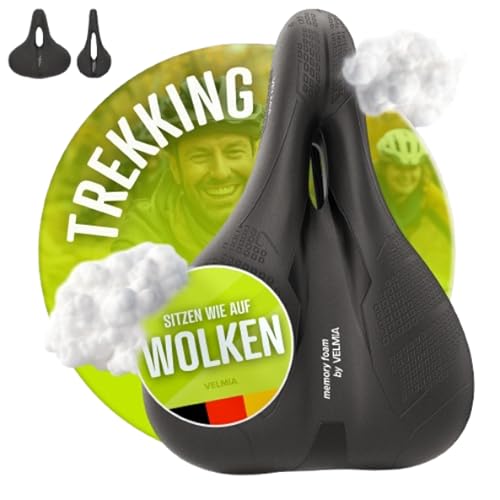
VELMIA Bike Seat Memory Foam Waterproof Saddle

ROCKBROS Bike Seat Waterproof Ergonomic Bicycle Saddle

Bike Seat Saddle for Men Women Comfortable Replacement
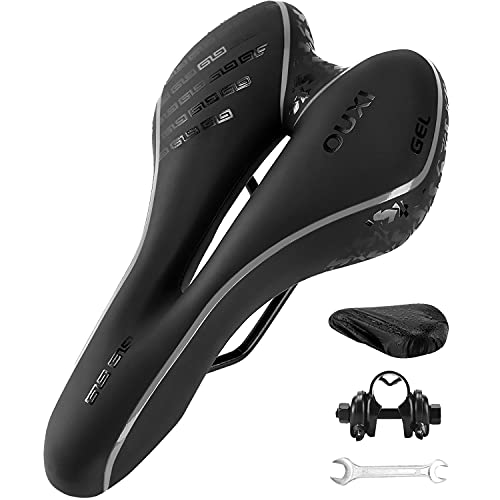
OUXI Comfort Bike Seat Gel Bicycle Saddle Replacement
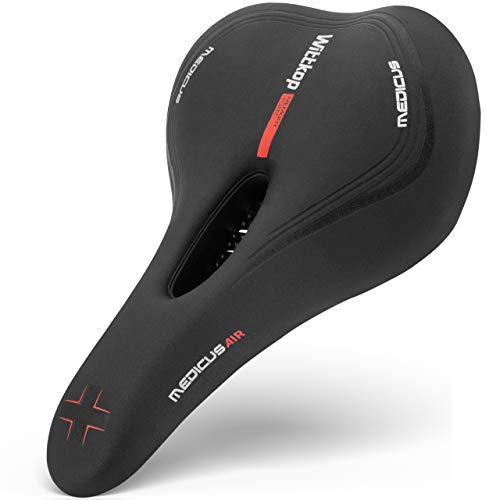
Wittkop Bike Seat Waterproof Saddle 5-Zone Concept
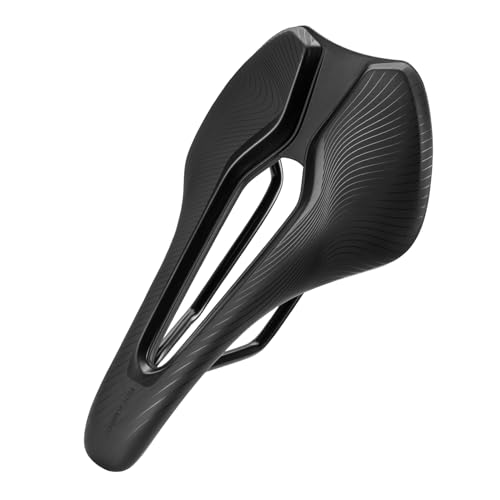
ROCKBROS Bike Seat Road Bike Saddle Breathable Ergonomic
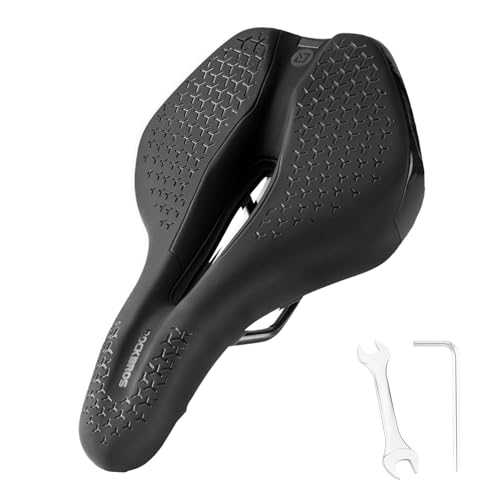
ROCKBROS Comfort Bike Seat Wave Ergonomic Bicycle Saddle
Why These Options Stand Out
Memory foam gives this VELMIA saddle a softer, body-moulding feel than the firmer foam in later ROCKBROS models. That suits upright touring and e-bike positions, where sit-bone pressure stays more vertical. Three model variants let riders match shape to riding position, a useful distinction on a road bike with a relaxed cockpit.
The center slot supports airflow, and welded seams keep the surface waterproof in rain. Width measures 7.3 inches, so storage and thigh clearance need a quick check on narrow frames. You get a saddle clamp and illustrated instructions in the package, which simplifies a first swap.
Key Advantages
- Memory foam layer spreads pressure for upright rides
- Center slot promotes airflow during warm-weather cycling
- Welded seams support waterproof use in wet conditions
- Clamp and illustrated instructions included for mounting
- Three variants align with different riding positions
Things To Consider
- 7.3-inch width needs frame and thigh clearance checks
- Soft foam suits touring posture more than aggressive road posture
At 262 grams, this ROCKBROS saddle is lighter than the VELMIA option and carries a stated 220 lb capacity. That light build helps on road and folding bikes, where extra saddle weight changes balance during lifting. The tapered shape narrows at the front and widens at the rear, reducing inner-thigh rubbing.
PU leather over high-density foam gives a firmer feel than memory foam, with a matte surface for grip. Rails are the metal bars under the saddle that clamp to the seatpost, and side markings help repeat a position after adjustment. You can check those markings during a test ride to fine-tune fore-aft placement.
What Helps Most
- 262g weight keeps road and folding bikes easier to lift
- 220 lb stated capacity covers many riders and loads
- Airflow channel helps keep long rides cooler and drier
- Marked rails make saddle position easier to repeat
Worth Noting
- Firmer foam may feel less forgiving than memory foam
- Hexagonal and open-end wrenches are included, so confirm tool fit
Who It Suits Best
Riders on road, MTB, and folding bikes who want a light, firm saddle with repeatable adjustment.
Where Another Pick Suits Better
VELMIA Bike Seat Memory Foam Waterproof Saddle suits riders who prefer softer memory foam for upright touring.
Dimensions of 9.7 by 8 by 3.7 inches make this a wide, thick replacement, quite different from the slimmer ROCKBROS profile. Thickened high-density foam plus built-in cushioning beneath the saddle targets bump absorption on rough routes. A narrow front allows thigh movement, which matters on longer road rides.
Unlike a cover, this is a complete saddle with adapter, mounting wrench, and waterproof protective cover. You should measure seatpost diameter before ordering, since the adapter fits most standard posts rather than every size. The center vent and non-slip leather cover support airflow and grip.
A Few Highlights
- Complete replacement, not a cushion cover
- Adapter, wrench, and protective cover included
- Thick foam and under-saddle cushioning soften rough terrain
- Center vent supports airflow on extended rides
Trade Offs
- 8-inch width takes more storage and frame space
- Adapter compatibility needs a seatpost check
- Thick profile may feel bulky on a lean road frame
Gel sits between PU leather and highly elastic sponge in this OUXI design, giving a different cushioning feel from pure memory foam. Gel spreads pressure in a more fluid way, which some riders prefer on long leisure rides. The hollow center and streamlined shape reduce thigh friction and improve ventilation.
Size is 5.5 inches wide by 9.8 inches long at about 1.2 lb, narrower than the previous wide replacement. You will notice the non-slip pattern helps hold position during standing climbs. A waterproof cover, screwdriver, and removable 7/8-inch adapter are included in the package.
A Favorable Mix
- Gel plus elastic sponge creates a distinct pressure-spreading layer
- Hollow ventilation keeps the center area cooler
- Non-slip PU texture helps maintain position
- Adapter and tools included for standard seatposts
- Compact 5.5-inch width suits slimmer frames
Minor Gripes
- Narrower width may offer less sit-bone support for some riders
- Adapter fits 7/8-inch inside diameter, so verify post size
The 5-Zone-Concept shapes this Wittkop saddle into distinct support areas, a more structured idea than a single foam block. That zoning aims to balance pressure across the sitting surface during mixed road and MTB use. Waterproof construction helps in changeable weather, a practical plus for commuting.
Fit covers BMX, MTB, and road bikes, plus exercise use, so the same shape can move between bike types. In our view, the zone concept suits riders who notice pressure shifting as posture changes on climbs. Confirm clamp compatibility with the seatpost before a swap, since sizing details vary by bike.
Notable Upsides
- Five-zone shaping targets varied pressure points
- Waterproof surface suits wet-weather riding
- Works across BMX, MTB, road, and exercise bikes
Room For Improvement
- Zone shaping may feel unfamiliar to riders used to flat saddles
- Seatpost clamp fit needs confirmation for each bike
Made For
Riders moving between road, MTB, BMX, and exercise bikes who want zoned pressure shaping.
Consider Something Else When
OUXI Comfort Bike Seat Gel Bicycle Saddle Replacement suits riders who prefer gel cushioning over zoned foam.
Chromium-molybdenum steel rails and a nylon shell with 20 percent fiberglass give this ROCKBROS saddle a stiffer support structure than foam-only designs. That rigidity helps resist deformation during hard efforts, especially on road and racing bikes. PVC eco-leather on top resists rain penetration and wipes clean after dirty rides.
An enlarged hollow center relieves pressure and promotes airflow, while the narrow front and wide rear reduce leg rubbing. You can align the self-scaled rail markings to repeat a comfortable position after removal. Tail-light mounting holes at the rear add a practical touch for evening rides.
What Works In Its Favor
- Steel rails and reinforced shell resist deformation
- PVC surface resists rain and cleans easily
- Enlarged hollow center improves airflow
- Scaled markings simplify position adjustment
- Tail-light holes support rear visibility setups
Points To Note
- Stiffer shell may feel less forgiving on rough surfaces
- Double-rail or clamp-tube mounting needs bike compatibility checks
A downward-tilting front wave distinguishes this ROCKBROS saddle from the flatter earlier ROCKBROS model. The wave shape eases crotch compression and absorbs road shocks, which helps on all-day road and city rides. High-density foam provides soft, resilient support without a gel layer.
Carbon steel rails add toughness, and side markings help set position precisely. You can use those markings to return to a known setup after maintenance. At about 340 grams, weight sits between the 262-gram ROCKBROS option and the heavier OUXI gel saddle.
Real Benefits
- Wave front eases pressure and absorbs shocks
- Carbon steel rails resist deformation
- Straight-slot airflow channel keeps the center cooler
- Anti-slip PU surface improves grip
- About 340g keeps weight moderate for road bikes
Softer Spots
- Wave shape may feel unusual to riders used to flat saddles
- Foam-only padding lacks the gel layer in the OUXI option
What Matters Most Before Choosing a Road Bike Seat
Width and Sit-Bone Support
Width determines how pressure spreads across sit bones, the two bony points that carry most weight on a saddle. A wider rear suits upright positions, while a narrower rear suits a leaned-forward road posture. Measure the current saddle and compare rear width before ordering.
Channel and Ventilation Design
A center slot or hollow channel relieves soft-tissue pressure and improves airflow on long rides. You can test channel depth during short rides, since a deep slot changes how the saddle feels under the nose. Ventilation matters more on warm commutes than on short weekend loops.
Rails, Clamp, and Compatibility
Rails clamp to the seatpost, and clamp diameter must match the post size on the bike. Marked rails help repeat a position, which saves time after maintenance. Check whether the bike uses double rails or a clamp tube before choosing a model.
Padding Type for Posture
Memory foam moulds to the body, gel spreads pressure fluidly, and high-density foam stays firmer and more responsive. Upright touring benefits from softer foam, while aggressive road positions often suit firmer support. Padding choice should follow posture, not padding alone.
Key Considerations Across These Picks
Common Shopping Slip Ups
Many shoppers pick the widest saddle available, then find thigh rubbing on a road frame. Checking rear width against frame clearance and riding posture prevents that mismatch. Another slip is ignoring clamp diameter, which turns a simple swap into a compatibility problem.
What The Higher Tier Buys
Higher-tier construction adds stiffer rails, reinforced shells, and more precise shaping, such as steel rails with a fiberglass shell. Those materials resist deformation during hard efforts and hold position longer. The upgrade pays off for frequent road riders, while casual riders gain less from shell rigidity.
Frequently Asked Questions
How wide should a road bike saddle be for women?
Width should match sit-bone distance and riding posture, not gender alone. A wider rear suits upright riding, while a narrower rear suits a leaned-forward position.
What does a center cutout do on a saddle?
A center cutout relieves pressure on soft tissue and improves airflow. It also changes support under the saddle nose, so a short test ride helps judge comfort.
Can these saddles fit different bike types?
Most options fit road, MTB, city, and exercise bikes with standard seatposts. Clamp diameter and rail type still need checking for each bike.
Is gel better than foam for long rides?
Gel spreads pressure in a fluid way, while foam moulds or stays firm depending on type. Posture and personal pressure points matter more than material label alone.
How do marked rails help with installation?
Markings show fore-aft position on the rails, so a saddle can return to the same spot after removal. That repeatability helps during maintenance and travel.
Wrap Up
For upright touring, the VELMIA memory foam saddle offers a softer starting point. For a leaned-forward road position, the ROCKBROS wave saddle or the reinforced ROCKBROS road saddle gives a more structured fit. You can narrow the choice by matching width, channel, and clamp size to the bike before ordering.