
A road helmet earns its place through fit first, then airflow, then a shell that stays put on rough pavement. Commuters, weekend riders, and longer-distance cyclists all need a different balance of weight, venting, and adjustment range. The picks below sort that trade-off by head size, impact system, and riding style, so a short spin and a 60-mile day point to different choices.
An Overview Of The Picks

Adult Cycling Bike Helmet Lightweight Adjustable All Black

KASK Protone Icon Bike Helmet White Medium
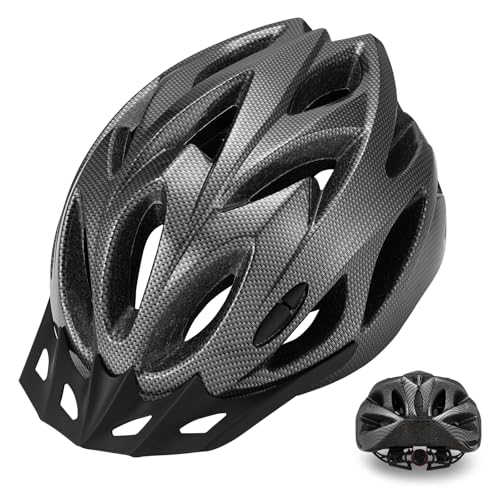
Zacro Adult Bike Helmet Lightweight Visor Removable Pads
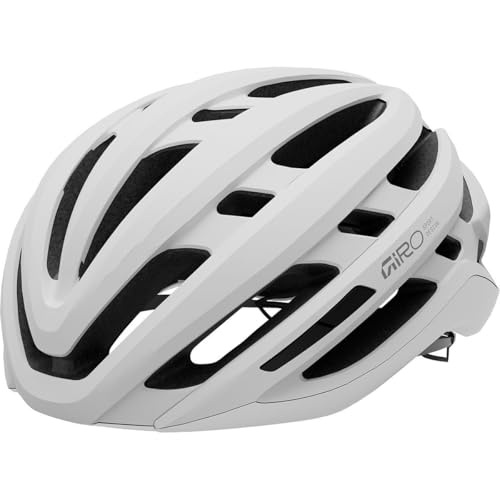
Giro Agilis MIPS

Schwinn Thrasher Helmet Adults 58-62 cm

SMITH Signal Cycling Helmet

Giro Fixture MIPS Bike Helmet Matte Black/Grey Universal
The Details Behind The Selections
A black, dial-adjust helmet built around a polycarbonate shell and EPS foam, where EPS means expanded polystyrene, the crushable liner that absorbs impact energy. Eighteen vents and removable inner pads keep airflow moving on warm commutes. You get a detachable visor for glare on bright stretches, and the 58 to 61 cm range suits many adult heads.
The embedded internal keel adds structure inside the shell without a bulky look. Side straps plus the rear dial let a rider fine-tune tension in seconds, a useful trait for shared bikes or changing hairstyles. In a busy weekday route, that quick adjustment matters more than a long feature list.
Noteworthy Benefits
- Dial and straps adjust across 58-61 cm head circumference
- Removable pads simplify cleaning after sweaty rides
- Detachable visor adds shade without permanent bulk
- 18 vents support airflow on climbs and warm days
Things To Consider
- Narrower size range than wider-fit options below
- Visor removal is a manual step before storage
An aerodynamic road helmet shaped for speed, with a redesigned internal frame and a vertical stabilizer at the nape. WG11 is a rotational-impact test protocol, and this model carries that approval for angled impacts. Riders focused on pacing benefit from a shell that keeps air moving cleanly at higher speeds.
The Octo micro-dial, a rubberized adjustment wheel, allows mid-ride tweaks, while gel contact points add cushioning. Removable, washable padding helps manage humidity on long efforts. For most riders, the honest read is that this is a specialist choice rather than a casual commuter helmet.
What Stands Out
- Aerodynamic profile for road, cyclocross, and XC marathon use
- WG11 rotational impact approval with nape stabilizer
- Octo dial supports adjustment during a ride
- Washable inner padding aids cleaning between efforts
- Enhanced padding fibers support evaporation and temperature regulation
Worth Noting
- Medium sizing in white requires a head measurement check
- Premium positioning suits committed riders more than beginners
Who It Suits Best
Committed road and cyclocross riders who prioritize an aerodynamic shell and rotational-impact protection.
Where Another Pick Suits Better
Giro Agilis MIPS suits riders who want integrated MIPS with a familiar Roc Loc 5 fit system at a different price tier.
A 260 g helmet with a polycarbonate shell and EPS foam, built for road, commute, and trail use. Eighteen vents move air through the shell, and the stated 54 to 63 cm adjustment range covers a wider span than the first pick. That breadth helps households where one helmet may fit different riders.
The detachable visor blocks glare and rain, while the wrap-around pad lifts out for cleaning. Moisture-wicking liners keep the interior drier on warm days. Compared with the Adult Cycling Bike Helmet Lightweight Adjustable All Black, the wider range is the main practical difference.
Practical Advantages
- 260 g weight reduces neck load on longer rides
- 54-63 cm dial range fits more head sizes
- Detachable pad and visor simplify cleaning and shade
Trade Offs
- Wide range still needs a snug measurement before ordering
- Visor is detachable rather than integrated
- Light trail use differs from dedicated trail helmets with extended coverage
MIPS, short for Multi-directional Impact Protection System, is a slip-plane layer that reduces rotational forces in angled impacts. The Agilis pairs that system with the Roc Loc 5 fit system, which adjusts tension and fore-aft tilt with one hand. Riders who switch between upright and dropped positions get a steadier fit across both.
The Hardbody lower wrap is polycarbonate fused to the EPS liner through in-mold construction, a process that bonds shell and foam during molding. Wind Tunnel ventilation uses shell vents plus internal exhaust channels to push warm air out. Unlike the KASK Protone Icon Bike Helmet White Medium, the focus here is fit integration rather than a race-shaped shell.
What Works In Its Favor
- Integrated MIPS slip plane for angled impacts
- Roc Loc 5 allows one-handed tension and tilt tuning
- In-mold Hardbody wrap adds durability without excess bulk
- Wind Tunnel channels move fresh air over the head
Minor Gripes
- Fit system rewards a short adjustment session before riding
- Two-piece shell design differs from single-shell options
A microshell helmet sized for ages 14 and up, with a 58 to 62 cm head range and extended head coverage. Full-coverage padding wraps around the head and lifts out for washing, while twenty air vents keep air moving. The dial retention system plus side and chin straps create a snug, stable fit for fitness and recreational rides.
A removable visor adds shade on bright routes, and the sporty shape suits riders who want a traditional look. The shell stays light for daily use, though the narrower range means larger heads need a different size. In a household with mixed riders, measuring first prevents a loose fit.
The Upside
- Dial retention plus straps fine-tune fit quickly
- Removable, washable full-coverage padding
- Twenty vents support cooling on warm rides
- Removable visor for sun protection
Room For Improvement
- 58-62 cm range excludes smaller and larger heads
- Extended coverage adds a bulkier profile than road shells
Made For
Recreational and fitness riders with heads in the 58 to 62 cm range who want washable padding and shade.
Consider Something Else When
Zacro Adult Bike Helmet Lightweight Visor Removable Pads suits riders outside that range with its 54 to 63 cm adjustment.
Koroyd, a material made of hollow tubes that crush to absorb energy, covers zones of the Signal for lightweight, ventilated protection. A MIPS system sits alongside that coverage, and the helmet meets U.S. CPSC, CE EN 1078, and AS/NZS 2063 standards. You can pair the AirEvac system with Smith eyewear to help keep lenses clear.
Twenty-one fixed vents provide consistent airflow, while VaporFit offers 270-degree adjustment at the turn of a dial. That wide dial range helps riders settle the helmet lower or higher for comfort. For glasses wearers, the eyewear integration is a practical differentiator compared with the Giro Agilis MIPS.
Strengths Worth Knowing
- Zonal Koroyd coverage for ventilated energy absorption
- 21 fixed vents for steady airflow
- AirEvac channeling integrates with Smith eyewear
- VaporFit dial adjusts across 270 degrees
Points To Note
- Fixed vents cannot be closed for cold-weather rides
- Eyewear integration is most useful with matching eyewear
A second-generation Fixture with a revised silhouette, integrated MIPS, and improved cooling. The shell fuses directly to the foam liner, a construction that keeps weight down and airflow up. Quick-dry padding and reflective rear decals support low-light visibility on evening rides.
Roc Loc Sport offers one-handed operation across a 7 cm adjustment range, with ponytail compatibility. Universal sizing covers 54 to 61 cm, sculpted to fit many heads on the first try. Compared with the Giro Agilis MIPS, the Fixture trades the Roc Loc 5 system for a simpler sport-level dial.
Advantages To Know
- Integrated MIPS with redesigned integration
- Roc Loc Sport adjusts across 7 cm with one hand
- Reflective decals aid visibility in low light
Softer Spots
- Universal sizing still benefits from a circumference check
- Sport fit system is simpler than Roc Loc 5
What To Check Before Committing To A Helmet
Head Circumference And Shape
Measure around the widest part of the head and compare that number with the stated range. A dial system helps, yet shell shape still shapes pressure points. Riders between sizes often prefer the wider range on the Zacro model.
Impact System And Shell Build
MIPS and WG11 address rotational forces, while EPS foam handles linear impact through crushing. Polycarbonate shells and in-mold construction affect weight and vent placement. Road riders chasing speed may value the KASK profile, while commuters may prioritize coverage.
Ventilation For Heat And Duration
Vent count alone does not tell the full story, because channel design moves air across the scalp. Long climbs and summer commutes reward helmets with internal exhaust paths. Fixed vents stay open in winter, so seasonal riders should weigh that trade-off.
Fit Systems And Everyday Use
One-handed dials help riders adjust at a stop without removing gloves. Removable pads simplify cleaning, and visors add shade for bright routes. You should test strap position at home, since a helmet that shifts during a ride will distract on the road.
Key Considerations Across These Picks
Common Shopping Slip Ups
Ordering by a usual hat size without measuring causes most fit problems. Skipping the vent and pad details also leads to a hot, hard-to-clean helmet after a few weeks. A quick measurement and a look at the adjustment range prevent both issues.
What The Higher Tier Buys
Higher-tier models add rotational-impact systems, race-tuned shells, and finer fit dials. Those features pay off for riders logging long distances or riding at speed. Casual riders often get the essentials from a well-fitted midrange helmet.
Frequently Asked Questions
How should a road bike helmet fit?
A helmet should sit level with even pressure and minimal movement when the head shakes. The dial and straps should lock that position without pressing on the forehead.
What does MIPS add to a helmet?
MIPS is a slip-plane layer designed to reduce rotational forces during angled impacts. Riders who want that layer should look for integrated MIPS models in this list.
How many vents matter for summer riding?
Vent count ranges from 18 to 21 across these picks, with channel design shaping airflow. Longer, hotter rides benefit from helmets with internal exhaust channels.
Can a visor help on bright routes?
A detachable visor blocks glare and light rain while riding. Riders who prefer a clean road look can remove it for a lower profile.
Which size range covers the most heads?
The Zacro model lists 54 to 63 cm, the widest range among these seven. Measuring first still gives the most reliable result.
Final Verdict
For a wide fit range and light weight, the Zacro pick covers daily riding well. Riders chasing speed should look at the KASK Protone Icon, while MIPS-focused riders have two strong Giro options. Measure, match the impact system to riding style, and pick the shell that stays comfortable on longer days.