
A back-friendly seated position changes the whole ride, whether the goal is gentle indoor movement or a steadier outdoor cruise. The options below cover a stationary home bike, a desk-size pedal cycle, kids’ tricycles, and adult electric trikes with semi-recumbent seating. Matching frame type, seat height, and power assistance to a specific routine makes the choice far clearer.
The Picks In Brief

XVGVSV W239 Recumbent Exercise Bike

Marcy NS-912 Portable Mini Pedal Exercise Cycle

Mobo Triton (Red) 26.5 x 25 x 41 inches
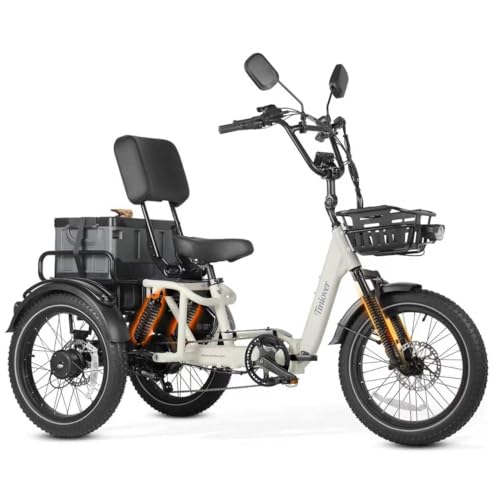
TINIOVER River Full Suspension Folding Electric Tricycle

Mobo Cruiser Mini Luxury Three Wheeled Cruiser Red 12-Inch
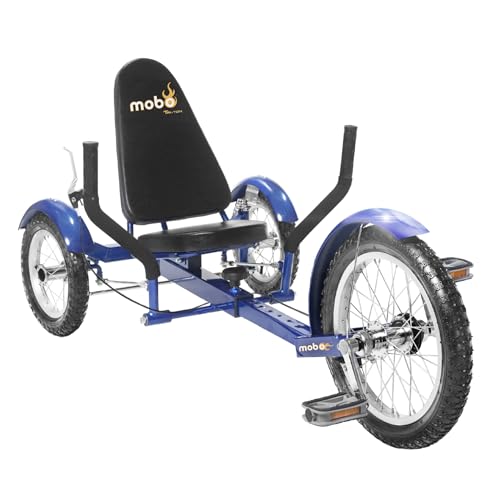
Mobo Triton Pedal Go Kart Trike Kids 3-Wheel Bike

ADDMOTOR ARISETAN M-360 Electric Tricycle for Adults
Inside Each Recommended Option
A padded seat with a supportive backrest suits seniors and anyone seeking a low-impact indoor routine. The lever-adjustable seat lets different heights share one frame, and the 400 lb capacity covers a broad range of households. In a shared living room, magnetic resistance keeps pedaling quiet during early sessions.
Sixteen resistance levels move from gentle movement to harder cardio work, with an LCD screen showing speed, time, distance, calories, odometer, and heart rate through handle pulse sensors. The steel frame and front transport wheels help with stability and moving the bike between rooms. In our view, the 85% pre-assembled setup matters for anyone wanting a shorter start.
The Case For It
- Padded seat and backrest support longer seated sessions
- 16 resistance levels cover beginner to advanced effort
- LCD display tracks speed, distance, and heart rate
- Steel frame rated to support 400 lb
- Transport wheels simplify moving between rooms
Things To Consider
- Stationary design stays indoors, unlike outdoor trikes
- Floor space needed for the full bike footprint
Compact size defines this mini cycle, which sits on a desk for arm work or on the floor for leg work. A manual resistance knob adjusts effort, and a small computer display shows time, reps, total reps, and calories. The heavy-duty steel build gives a steadier feel than plastic mini cycles.
Unlike the full-size XVGVSV W239, this unit trades a reclined seat for portability and storage ease. It suits a desk worker adding short movement breaks during a workday. The trade-off is a less supported posture, with no backrest for longer sessions.
Positive Takeaways
- Tabletop design stores easily in small spaces
- Manual knob changes resistance without electronics
- Display tracks time, reps, and calories
Worth Noting
- No backrest, so seated support is limited
- Manual resistance needs hand adjustment during use
- Compact pedals suit short sessions better than long rides
Who It Suits Best
Desk workers and apartment dwellers needing a small, movable pedal cycle for short sessions.
Where Another Pick Suits Better
The XVGVSV W239 suits anyone wanting a full backrest and 16 resistance levels for longer indoor rides.
A low three-wheel stance removes the balance challenge of a standard bike for kids ages 7 to 12. The cushioned seat sits 11 inches above the ground, and dual-joystick steering uses simple hand movements. Flat paved paths and gentle slopes match the intended terrain.
Hi-ten steel frame construction, a chainless design, and inflatable tires shape the ownership picture. The frame adjusts for riders from 3 feet 8 inches to 5 feet 2 inches tall and up to 200 lb. Assuming a flat paved path, the 16-inch front and 12-inch rear wheels keep steering predictable.
Key Advantages
- Three wheels provide stability without balance skill
- Chainless design reduces maintenance and snag points
- Adjustable frame fits a wide height range
- Hand caliper brake gives direct stopping control
Trade Offs
- 39 lb weight needs space for storage and transport
- Some assembly required before first use
Semi-recumbent seating with an extra-wide saddle and backrest sets this adult trike apart from upright e-bikes. The saddle and backrest adjust in six ways, spreading pressure across a wider surface. A torque sensor reads pedaling force and adds assist in proportion, which smooths starts on hills.
Full suspension, a 6061 aluminum frame, and a 1200W rear motor shape a heavier-duty ride than the youth Mobo models. A 48V 20Ah battery is listed for up to 100 miles, with a top speed of 20 mph. Triple hydraulic brakes, reverse, and a hill-parking function help with tight garages and inclines.
Noteworthy Benefits
- Torque sensor delivers proportional, natural-feeling assist
- Full suspension smooths cracked pavement and curb cuts
- Reverse and parking brake aid low-speed handling
- Wide adjustable saddle supports a semi-recumbent posture
- Color LCD and cruise control simplify ride monitoring
Minor Gripes
- Electric trike size needs garage or storage planning
- Fat-tire design suits paths more than narrow indoor spaces
Built for ages 2.5 to 5, this mini cruiser uses an adjustable frame for toddlers 30 to 45 inches tall. A chainless chassis keeps small fingers and clothing away from moving parts. The steering system supports hand-eye coordination during early riding practice.
Compared with the larger Mobo Triton for ages 7 to 12, this model trades size for a smaller, lighter first ride. An inflatable front tire pairs with two solid rear tires, and custom decals add a personal touch. In our view, the adjustable frame extends use across several growth stages.
Positive Points
- Adjustable frame grows with a young child
- Chainless design supports low-maintenance ownership
- Solid rear tires reduce flat-tire downtime
Small Caveats
- Narrow age and height range limits long-term use
- Small wheels suit smooth, flat surfaces best
Made For
Parents of toddlers ages 2.5 to 5 seeking a stable first pedal trike for flat areas.
Consider Something Else When
The Mobo Triton (Red) suits older kids ages 7 to 12 who need a larger frame and taller fit.
Low-to-the-ground geometry gives this youth trike a stable feel on flat paved surfaces and gentle slopes. Dual-joystick steering, a reclined seat, and an 11-inch seat height keep the posture relaxed. No balance skill is required, which helps younger riders gain confidence.
Hi-ten steel, a chainless design, caliper brakes, and a safety flag cover the practical details. The frame adjusts from 3 feet 8 inches to 5 feet 2 inches tall and up to 200 lb, with 16-inch front and 12-inch rear wheels. That adjustability makes one trike cover several years of growth.
What Works In Its Favor
- Low center of gravity improves stability
- Chainless design cuts routine maintenance
- Wide height adjustment covers multiple growth years
- Caliper brakes and safety flag add control
Points To Note
- Extended length of 51 inches needs storage room
- 39 lb weight makes car transport less convenient
- Best on pavement, not rough trails
Semi-recumbent seating and a rear differential define this adult e-trike for controlled cornering. The differential lets rear wheels turn independently, so the outside wheel rotates faster through turns. A mid-axis torque sensor, meaning a sensor at the pedal axle, gives pedal assist that responds to pedaling force.
A 750W rear motor, 48V 20Ah removable battery, and 22 mph top speed support longer rides, with listed range up to 85 miles and charging in 8 to 10 hours. A handlebar parking brake lever helps hold position on inclines. Compared with the TINIOVER River, this model lists a lower motor rating and a 380 lb capacity.
Real Benefits
- Rear differential improves cornering predictability
- Parking brake lever aids stopping on inclines
- Removable battery simplifies charging indoors
- Torque sensor creates a more natural pedal feel
Honest Caveats
- Long charging time needs overnight planning
- Large trike footprint requires ample storage space
What Matters Most Before Choosing a Recumbent Ride
Seat Position and Support
A reclined seat with back support suits longer sessions and riders who prefer low-impact movement. Seat height affects mounting ease, with lower seats helping younger riders and anyone with limited mobility. Check adjustment range against height before committing to a frame.
Power and Resistance
Stationary bikes rely on resistance levels, while electric trikes rely on motor size and torque sensing. Torque sensing, which measures pedaling force at the axle, gives smoother assist than basic on-off systems. Range and charging time matter for longer outdoor routes.
Stability and Terrain
Three wheels remove balance needs, but tire size and suspension shape comfort on cracked pavement. Fat tires and full suspension help on uneven paths, while smooth tires suit flat pavement. Storage dimensions decide whether a trike fits a garage or hallway.
Key Considerations Across These Picks
Common Shopping Slip Ups
Matching a kids’ trike to an adult frame, or a stationary bike to outdoor use, creates an instant mismatch. Checking age range, height range, and capacity against the intended rider prevents that error.
What The Higher Tier Buys
Higher-tier electric trikes add torque sensing, differentials, and stronger brakes for hills and turns. Those systems pay off on longer routes, while simpler chainless trikes cover flat neighborhood cruising well.
Frequently Asked Questions
What age range fits the Mobo Triton models?
The Triton for ages 7 to 12 fits riders 3 feet 8 inches to 5 feet 2 inches tall. The Mini Cruiser covers ages 2.5 to 5 for toddlers 30 to 45 inches tall.
How does torque sensing change electric assist?
Torque sensing measures pedaling force and adds power in proportion to that effort. The result feels smoother on starts and hills than a simple on-off assist.
What capacity does the XVGVSV W239 support?
The W239 supports up to 400 lb with a steel frame and magnetic resistance. Sixteen levels let effort grow from gentle sessions to harder cardio.
What terrain suits the youth trikes?
Flat paved surfaces and gently sloping terrain match the design of both youth models. Rough trails call for larger tires and suspension found on adult electric trikes.
How long does the ADDMOTOR battery take to charge?
The removable 48V 20Ah battery charges in 8 to 10 hours. Listed range reaches up to 85 miles on a full charge.
Final Verdict
For indoor comfort, the XVGVSV W239 covers quiet, adjustable home workouts. For outdoor electric riding, the TINIOVER River and ADDMOTOR M-360 offer different power and handling strengths. Kids’ options split cleanly by age, with the Mini Cruiser for toddlers and the Triton for older youth.