
A saddle that pinches after 30 minutes can cut a ride short, and the right shape changes everything for road and MTB miles. You need support under the sit bones without pressure up front, plus a profile that matches how upright or aggressive your position is. Width, cut-out, padding density and rail type decide that fit more than colour or branding. The seven options below split between endurance shapes and softer comfort builds, so matching the saddle to distance and posture matters most.
A Side-By-Side Look

Selle Italia Sport Gel Flow Road Bike Saddle Black 270 x 140mm

Fizik Tempo Argo R5 Endurance Road Bike Saddle 150mm

ROCKBROS Bike Seat Waterproof Ergonomic Bicycle Saddle
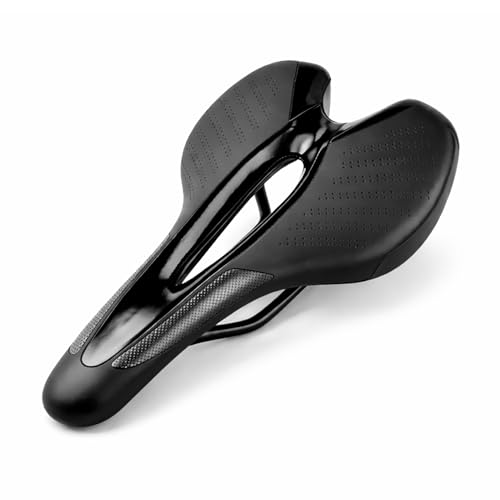
Bike Seat Waterproof Lightweight Saddle Road Mountain MTB
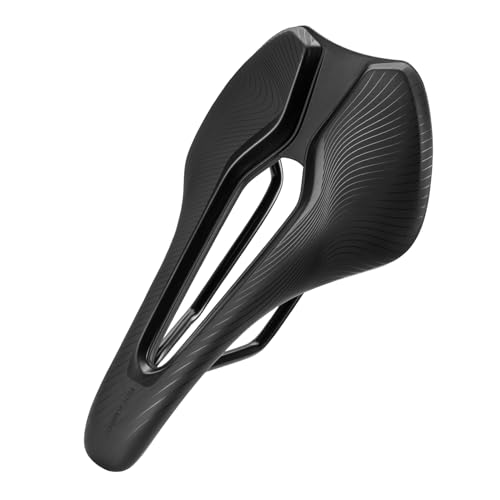
ROCKBROS Bike Seat Road Bike Saddle Breathable Ergonomic
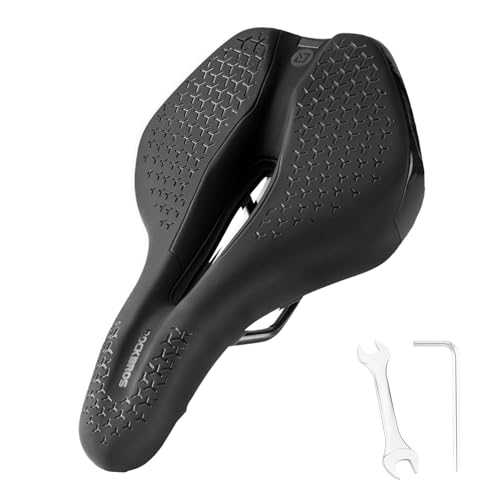
ROCKBROS Comfort Bike Seat Wave Ergonomic Bicycle Saddle
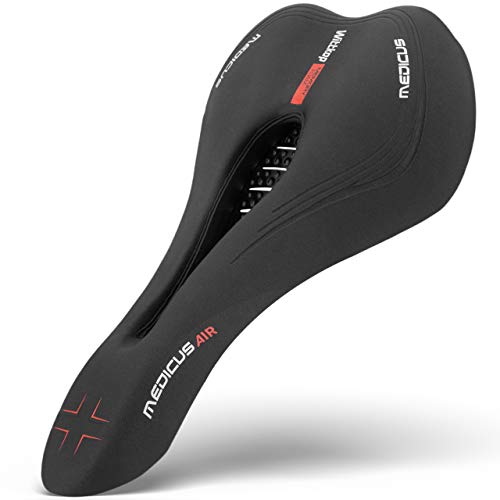
Wittkop Bike Seat I Waterproof Bike Saddle 5-Zone-Concept
A Breakdown Of The Leading Choices
For longer road rides, your sit bones get a wider, padded platform at 270 x 140mm, with a central cut-out that eases pressure at the front. A gel layer adds flex where soft tissue contact happens, and that matters on back-to-back training days. The Duro-Tek cover keeps weight low at 8 ounces while resisting wear from bib shorts and rain.
Steel alloy rails at 7mm fit standard seatposts, so installation stays straightforward on road or MTB frames. Extra padding supports a steadier position over distance, though the softer feel suits endurance posture more than a low, aggressive race position. Compared with the Fizik Tempo Argo R5, this shape feels plusher and less planted.
Standout Benefits
- Gel and cut-out reduce front pressure on long rides
- 140mm width supports sit bones during endurance miles
- Lightweight Duro-Tek cover resists abrasion
- 7mm steel alloy rails fit most seatposts
- Extra padding helps maintain position over distance
Things To Consider
- Softer padding suits upright endurance posture over aggressive racing posture
- 270mm length needs clearance from a rear light mount on compact frames
The short nose changes how a ride feels. You can sit slightly farther forward without the nose pressing into soft tissue, and the wider rear keeps stability through climbs and tempo efforts. Wingflex edges flex with inner-leg movement, a small detail that helps during steady pedalling.
Type 2 foam is thicker around the sit bones and softer than Fizik racing foam, so endurance comfort comes without a bulky look. A carbon reinforced nylon shell over S-Alloy rails keeps the build purposeful at 241g. Unlike the Selle Italia Sport Gel Flow, this saddle encourages a more planted, forward position.
What Stands Out
- Short nose allows a forward seated position
- 150mm width gives generous ischial support
- Wingflex edges adapt to leg movement
- Type 2 foam cushions sit bones progressively
Worth Noting
- Forward position suits endurance road bikes over upright city posture
- 150mm width needs a sit-bone check before committing
For mixed road and MTB use, you get a tapered shape that is narrow at the front and wider at the back. That profile helps reduce leg rubbing during repeated pedalling. A direct-slot channel runs through the centre, so airflow reaches areas that often feel stuffy on longer rides.
PU leather over high-density foam gives a matte surface with extra grip. At 262g, the saddle stays light, and the stated 220 lb capacity covers most riders plus kit. Side markings on the rails make fore-aft adjustment easier, a practical touch compared with the unmarked rails on the Selle Italia Sport Gel Flow.
What Makes Sense
- Air channel improves ventilation on long rides
- High-density foam adds cushion without bulk
- Marked rails simplify position adjustment
- 262g weight suits road and MTB builds
Trade Offs
- 220 lb limit needs checking for heavier riders with gear
- PU surface needs wiping after wet rides to stay clean
- Generic fit suits casual posture over precise race fit
Who It Suits Best
Casual road and MTB riders who want a light, ventilated replacement without a race-specific fit process.
Where Another Pick Suits Better
The Fizik Tempo Argo R5 suits endurance riders who prefer a short-nose, forward position over a tapered comfort shape.
On a folding or commuter bike, your legs clear the narrow front more easily, and the wider rear keeps support where it counts. PU leather and high-density foam create a cushion that feels softer than the Fizik Tempo Argo R5 shell. A direct-slot channel helps air move through the middle on warm days.
At 320g, this saddle carries more weight than the ROCKBROS Bike Seat at 262g, yet the 220 lb capacity and sturdy rails keep it dependable for daily use. Side markings help with quick installation. The honest read is a straightforward comfort swap, nothing flashy, and that suits many commuters.
Features That Help
- Tapered profile reduces leg rubbing
- Air channel supports cooler, drier rides
- Marked rails allow quick, accurate setup
- 220 lb capacity covers daily riding loads
Minor Gripes
- 320g weight adds bulk compared with lighter options
- Soft foam suits comfort posture over aggressive road posture
For a drop-bar setup, you benefit from a narrow front and wide back that eases sit-bone pressure without catching thighs. An enlarged hollow centre promotes airflow, which helps on long rides in warm weather. PVC eco-leather on the surface resists rain penetration and wipes clean after dirty roads.
Chromium-molybdenum steel rails and a nylon shell with fiberglass add strength for hard efforts. Self-scaled markings on the rails help position the saddle, and a rear mounting point accepts a tail light accessory. Compared with the ROCKBROS Comfort Bike Seat, this shape feels more traditional and less wave-shaped.
Positive Points
- Hollow centre improves airflow and pressure relief
- PVC surface resists water and dirt
- Steel rails and reinforced shell add support
- Rear mount accepts a tail light
Points To Note
- Tail light needs a separate accessory for rear visibility
- Traditional shape suits road posture over upright touring posture
Made For
Road and MTB riders who want breathability, easy positioning, and a rear light mount.
Consider Something Else When
The Wittkop Bike Seat I suits riders who prefer memory foam zoning over a hollow-centre road shape.
On rough pavement, you feel the wave profile first. The front dips downward, which eases crotch compression and absorbs some road shock. High-density sponge fills the shell, so support feels soft yet resilient across long rides. A straight-slot channel keeps air moving through the centre.
Carbon steel rails resist deformation, and side markings help with precise installation. At around 340g, the saddle is heavier than the ROCKBROS Bike Seat at 262g, yet the textured PU surface adds grip. Universal fit covers road, MTB, city and racing bikes, making it a flexible swap.
Reasons It Performs
- Wave front eases pressure and absorbs shock
- High-density foam supports long rides
- Carbon steel rails resist deformation
- Textured PU surface improves grip
- Marked rails simplify installation
Small Caveats
- 340g weight is higher than lighter road options
- Wave shape may feel unusual for a short adjustment period
For touring or e-bike use, your weight sits on a 5.4-inch wide platform with memory foam that moulds to contact points. Five zones divide the saddle by function, so pressure spreads across areas instead of concentrating at the centre. Welded seams keep the cover fully waterproof in rain.
Internal braces support an airflow system that reduces sweating in sensitive areas. That zoning differs from the single foam blocks in the ROCKBROS options and suits riders who keep a regular bike and an e-bike in the same garage. The wider profile fits upright posture better than a narrow race shape.
What Helps Most
- Memory foam moulds to contact points
- Five zones spread pressure across the saddle
- 5.4-inch width supports upright posture
- Welded seams block water entry
- Airflow system reduces sweat buildup
Areas To Watch
- Wide profile suits touring posture over low race posture
- Memory foam feel differs from firmer road saddles
Fit First: What Matters Most in a Race Bike Saddle
Width and Sit-Bone Support
Width decides where weight rests. A 140mm to 150mm rear suits many road riders, while a 5.4-inch touring saddle spreads load for upright posture. Measure sit-bone distance before choosing, since a narrow saddle can push pressure forward and a wide saddle can rub thighs.
Cut-Out and Nose Shape
A cut-out or hollow channel reduces pressure in sensitive areas. Short-nose designs such as the Fizik Tempo Argo R5 allow a forward position, while longer noses suit a traditional seated posture. The trade-off shows up in handling: forward posture helps climbing, and a traditional posture helps descending.
Foam, Shell and Rails
Foam density, shell stiffness and rail material affect comfort and weight. Gel and memory foam feel softer, while carbon reinforced shells feel firmer and more responsive. Rails at 7mm fit standard clamps, and marked rails make position changes easier during setup.
Posture and Ride Length
Match the saddle to distance and posture. Endurance riders benefit from stable, padded shapes, and commuters benefit from ventilated comfort shapes. You should check seatpost compatibility and rear clearance before ordering, especially on compact frames.
Key Considerations Across These Picks
Common Shopping Slip Ups
Many riders choose by padding alone and ignore width. A soft saddle in the wrong width still creates pressure. Check sit-bone measurement and nose length first, then compare foam type.
What The Higher Tier Buys
Higher tier saddles use lighter shells, alloy rails and shaped foam zones. That combination cuts weight and refines pressure distribution. The upgrade pays off for riders logging long distances each week.
Frequently Asked Questions
How wide should a road saddle be?
Width should match sit-bone distance, with 140mm to 150mm covering many road riders. A wider touring profile suits upright posture and heavier loads.
What does a cut-out do?
A cut-out removes material from the centre to reduce pressure on soft tissue. Ventilation improves as air moves through the channel during rides.
Are steel rails compatible with most bikes?
Standard 7mm rails fit most seatpost clamps on road and MTB frames. Marked rails help with repeatable fore-aft positioning after setup.
Which saddle suits long rides?
Endurance shapes with wider rears and progressive foam suit long rides. Short-nose designs help riders who prefer a forward position on climbs.
Can one saddle fit road and MTB bikes?
Universal shapes with tapered profiles can move between road, MTB and folding bikes. Check rail diameter and seatpost length before swapping.
Final Verdict
The Fizik Tempo Argo R5 suits endurance riders who want a forward, stable position, while the Selle Italia Sport Gel Flow suits longer rides with a plusher feel. For touring and e-bike use, the Wittkop Bike Seat I spreads pressure across five zones. Match width and posture first, and the choice becomes clear.