
Trail days turn demanding fast when fit, airflow, and coverage feel off. Your head size, riding style, and eyewear decide which shell shape works. A dial or strap adjustment matters more than colour on a long climb. The picks below separate commuter-friendly lids from trail-specific and full-face kits.
The Picks In Brief
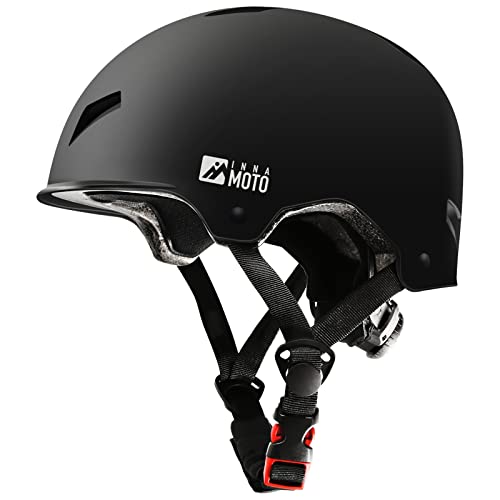
INNAMOTO Adjustable Multi-Sport Skateboard Helmet Two Liners

KINGBIKE Bike Helmet USB Rechargeable Light White Matte M
Fox Racing Speedframe Mountain Bike Helmet White Solid Large

POC Axion Race MIPS Bicycle Helmet MIPS Integra

QSTK Full Face Dirt Bike Helmet DOT Complete ATV Kit
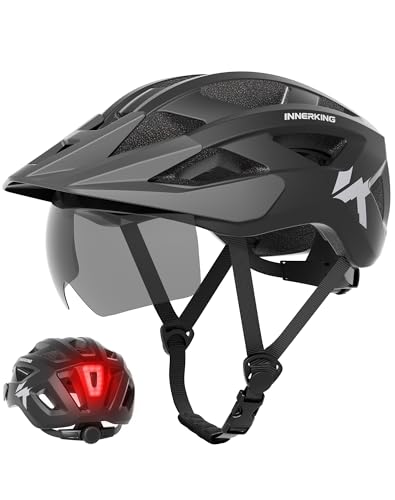
InnerKing Adult Bike Helmet Rear Light Magnetic Goggles

BATFOX Mountain Bike Helmet Lightweight Visor 54-63cm
More Details On Our Top Picks
If you ride across several sports, this skate-style shell keeps things simple. The ABS outer shell pairs with an EPS liner, a combination that balances impact absorption with a lighter feel. Matte black styling suits mixed use from cycling to scooters.
Two removable liner sets change the internal size without changing the helmet. Nylon straps adjust the wrap, and the S size covers 51 to 54cm for younger riders. For most families, that swap system helps a growing rider get more wear from one shell.
Positive Points
- Two liner sets help tune fit as head size changes
- Removable liners wash clean after sweaty sessions
- ABS shell with EPS liner for multi-sport coverage
- Ventilated skate shape for longer outdoor activity
Things To Consider
- Skate shape lacks a trail visor for sun and debris
- Size S range limits fit for larger adult heads
INNAMOTO Adjustable Multi-Sport Skateboard Helmet Two Liners
You get a rear light, two visors, and spare pads in one package. That bundle suits commuters who ride in low light and want eye coverage without separate accessories. Unlike the INNAMOTO skate shell, this shape follows a road and MTB profile.
Twenty-four vents and a 260g weight keep airflow high on warm climbs. A dial adjusts fit across M at 52 to 56cm and L at 57 to 60cm. The PC shell and one-piece EPS foam form the protective core.
Positive Takeaways
- USB rear light with three flashing modes for visibility
- Two detachable visors for sun, wind, and sand
- Two pad sets swap out for washing and replacement
- Lightweight build at 260g for long rides
- Dial fit across two adult and youth sizes
Worth Noting
- Rear light needs recharging, so check charge before night rides
- Visor choice adds setup time before each ride
Who It Suits Best
Commuters and road riders who want visibility and sun coverage in one helmet.
Consider Something Else When
Fox Racing Speedframe Mountain Bike Helmet suits trail riders who want a Mips liner and a goggle-compatible visor.
Trail focus shows up in the visor, fit system, and liner. Mips is a low-friction layer inside the helmet that allows slight movement during an angled impact, redirecting rotational forces. That system sits between head and shell.
The 360 fit system dials in circumference, depending on head shape for fine tuning. Channeled EPS shapes vents through the foam for cooling, and the liner pulls sweat away. A three-position visor works with sunglasses and goggles, unlike the KINGBIKE setup that uses separate visors.
Features That Help
- Mips liner addresses rotational motion during impacts
- 360 fit system adjusts circumference for a secure wrap
- Removable liner washes clean after trail rides
- Visor adjusts with one hand and fits goggles
Trade Offs
- Open-face design leaves chin and face uncovered
- Large size listed here will not suit smaller heads
Coverage sets this POC apart from the Fox Racing Speedframe. Extra material at the temples and back of head extends protection beyond a basic trail shell. For most trail riders, that extended wrap matters on technical descents.
MIPS Integra handles rotational energy inside a fully wraparound one-piece shell. A 360 regulator tunes fit, while ventilation keeps airflow moving in hot weather. The patented visor has a set break point and releases on impact to reduce forces toward the neck.
The Upside
- Extended temple and rear coverage for trail and enduro
- MIPS Integra system for rotational energy
- One-piece wraparound shell with EPS insert
- Adjustable visor with goggle clip
- 360 regulator for individual fit tuning
Minor Gripes
- Breakaway visor may need replacement after a hard impact
- Enduro-focused shape feels bulkier than commuter helmets
Full-face coverage changes the riding experience completely. The ABS shell and EPS liner meet DOT FMVSS-218 standards, and the chin bar guards against debris on ATV and motocross terrain. That protection level sits far above open-face trail helmets.
Intake and exhaust vents move air through the shell, and the liner comes out for washing. You can size across XS to XL, from 48cm to 58cm, for a closer match. The kit adds goggles, gloves, and a mask in one box.
The Case For It
- Full-face shell for ATV, motocross, and downhill use
- Kit includes goggles, gloves, and mask
- Quick-release buckle works with gloves on
- Adjustable visor blocks glare without separate eyewear
- Removable washable liner for freshness
Points To Note
- Full-face shape runs warmer and heavier than open-face options
- Kit items add storage space at home
Made For
ATV and dirt bike riders who need chin coverage and a ready-to-ride kit.
Look Elsewhere When
POC Axion Race MIPS Bicycle Helmet suits mountain bikers who want open-face airflow and extended trail coverage.
If you commute after dark, magnetic goggles and a rear light combine in a practical way. The goggles attach magnetically and lift off for different conditions. Seventeen vents in the goggles help limit fogging while blocking wind and dust.
A PC shell and high-density EPS foam form the base, with standards listed as ASTM, CPSC, CE, and EN1078. Dial fit covers M at 55 to 59cm and L at 59 to 63cm. The rear LED has four lighting modes for traffic visibility.
Strong Points
- Magnetic goggles remove for varied riding conditions
- Rechargeable rear light with four modes
- OTG-friendly goggles fit over glasses
- Dial fit across two adult size ranges
Small Caveats
- Charging needs a standard 5V/1A adapter, not a fast charger
- Magnetic attachment needs a check before rough trails
Simple trail coverage keeps this BATFOX helmet easy to match to daily riding. A polycarbonate shell fuses with an EPS liner for full coverage without a heavy feel. Eighteen vents with internal channels move air across the head on long miles.
Padding and chin pad come out for washing, and a large visor shields sun, rain, and debris. You can fine-tune fit with a dial across M at 54 to 57cm, L at 58 to 61cm, and XL at 61 to 63cm. That range covers children, teens, and adults.
The Value In It
- Full-coverage shell with EPS liner for trail use
- Eighteen vents with internal channeling for airflow
- Removable washable padding and chin pad
- Large visor for sun and debris
- Three sizes from 54 to 63cm
Areas To Watch
- No rear light included for night commuting
- No Mips liner listed, unlike Fox Racing and POC options
What Matters Most Before Choosing a Trail Helmet
Fit and Head Coverage
Measure around the largest part of the head, about one inch above the eyebrows, before you order. Dial systems allow small circumference changes, while strap and liner systems rely on pad swaps. Extended coverage at the temples and rear suits rougher terrain.
Ventilation for Long Climbs
Vent count alone tells little without channel shape. Channeled EPS and internal channels guide air across the scalp, which matters on slow climbs with little breeze. Commuter helmets with many vents still need a fit that does not press pads tight against the forehead.
Visor and Eyewear Fit
A visor blocks sun and debris, and goggle compatibility matters for downhill runs. You also need clearance for sunglasses on road sections. Magnetic goggles and breakaway visors each solve a different problem, so match the design to terrain.
Shell Shape for Terrain
Skate shells suit mixed sports, open-face trail shells suit mountain biking, and full-face shells suit ATV and motocross. That shape choice affects weight, airflow, and face protection more than colour or styling.
Key Considerations Across These Picks
Common Shopping Slip Ups
Sizing by age instead of circumference causes many poor fits, and you can avoid that with a tape measure. Ignoring eyewear clearance also leads to goggles that sit too low or visors that clash with glasses.
What The Higher Tier Buys
Higher-tier shells add systems such as Mips, extended coverage, and breakaway visors. Those features address specific impact and terrain needs, and the upgrade pays off for riders tackling technical trails regularly.
Frequently Asked Questions
Which helmet suits a beginner on trails?
An open-face trail helmet with dial fit suits most beginners. Look for a visor, washable liner, and a size range that matches measured circumference.
How should head size be measured?
Wrap a flexible tape around the largest part of the head. That measurement, about one inch above the eyebrows, maps directly to size charts.
Are full-face helmets needed for mountain biking?
Full-face designs suit downhill, ATV, and motocross use. Open-face trail helmets suit most trail and all-mountain riding with better airflow.
Do rear lights help for commuting?
A rechargeable rear light improves visibility in traffic and low light. Flashing modes help riders behind notice the helmet sooner.
Which liner system helps with sweat?
Removable liners wash clean after rides. Dual pad sets allow rotation while one set dries.
Final Verdict
Trail riders will find strong direction in the Fox Racing Speedframe and POC Axion Race for Mips protection and coverage. Commuters gain more from KINGBIKE or InnerKing for lights and goggles. Match shell shape to terrain, and you will get a helmet that fits the rides ahead.