
A mountain bike cockpit changes how steering feels on rough descents and long climbs. Width, rise, and clamp diameter decide control, posture, and fit with existing controls. You need the right match for your stem and riding style, not just a wider bar. These seven options cover grips, riser bars, and different rises so you can compare trade-offs clearly.
Your Options, Compared
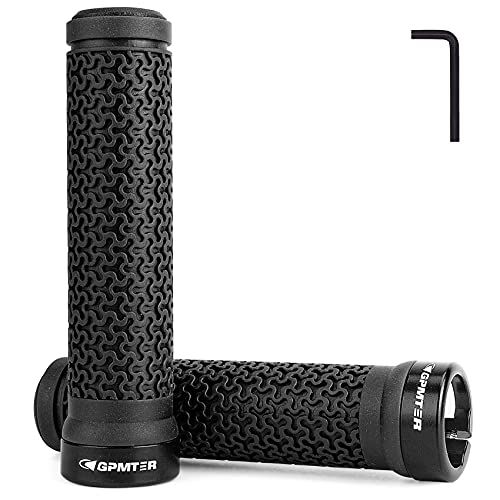
GPMTER Bike Handlebar Grips for BMX, MTB

Wake 31.8mm MTB Handlebar 720mm (Black)
Wake 31.8mm MTB Handlebar 780mm (Black)
FIFTY-FIFTY Mountain Bike Riser Handlebar 780mm

PLATT 31.8mm MTB Handlebar 780mm 35mm Rise

PLATT 31.8mm MTB Handlebar 780mm 50mm Rise

BUCKLOS 31.8mm MTB Handlebar 720mm 50mm Rise
The Details Behind The Selections
These grips suit commuters and beach cruiser riders who want a softer hand contact point without changing the bar itself. A gel layer sits under high-friction rubber, so palms get cushioning while fingers keep traction in wet conditions.
You slide them onto a standard 22.2mm bar end, and a single aluminum lock ring clamps the inner end in place. At 131mm long and 110g per pair, the shape fits most flat bars, though wider riser bars in this list need separate grips.
Real-World Strengths
- Gel under rubber softens long commutes
- Single lock ring holds grip firmly
- High-friction texture aids wet-weather control
- 131mm length suits standard flat bars
Things To Consider
- Grips only, bar not included
- Single lock leaves outer end unclamped
Unlike the grips above, this is a full riser bar for riders chasing more steering leverage on trails. Clamp diameter means the center section that fits the stem, and 31.8mm is the common modern size for mountain bikes.
Matching your stem’s 31.8mm clamp keeps installation straightforward, and the 30mm rise lifts hands slightly for a more upright stance. At 720mm wide and about 330g, it keeps a nimbler feel than the 780mm options later in this list.
Bright Spots
- 6061 aluminum keeps weight low
- 720mm width balances control and tight trails
- 30mm rise adds modest lift
- 9 degree backsweep angles wrists naturally
Worth Noting
- Stem and grips sold separately
- 31.8mm clamp will not fit 25.4mm stems
Same Wake alloy platform as the 720mm version, stretched to 780mm for stronger leverage on steep, technical descents. Wider bars give hands more authority over the front wheel, a trade-off that suits open trails more than tight singletrack.
Hard anodizing and precision bending shape the matte black finish, while the 22.2mm ends accept standard grips. At about 360g, the extra width adds only modest weight, though storage and doorway clearance deserve a quick check before fitting.
Strengths Worth Knowing
- 780mm width improves downhill leverage
- 6061 alloy construction stays light
- Standard 22.2mm ends fit common grips
Trade Offs
- Wider bar needs more clearance
- Stem and grips not included
- Fixed width, no cut marks listed
Who It Suits Best
Downhill and all-mountain riders who prefer maximum leverage and ride open terrain.
Where Another Pick Suits Better
FIFTY-FIFTY Mountain Bike Riser Handlebar 780mm suits riders who want cut marks to trim width later.
Double-butted tubing means the wall thickness varies along the bar, saving weight where stress runs lower. That construction, plus hard anodizing, gives this 780mm bar a more tailored feel than a uniform tube.
Cut marks let you trim the bar down to widths from 680mm upward, and a center setup grid helps keep controls even. The 35mm rise version weighs 340g, a useful comparison point against the Wake 780mm at 360g.
Practical Pluses
- Double-butted 6061 alloy saves weight
- Cut marks allow width adjustment
- Center grid aids even setup
- 35mm rise lifts riding position
- 780mm width aids aggressive riding
Minor Gripes
- Trimming is permanent, measure first
A 35mm rise sits between the Wake 30mm bar and taller options, giving a middle ground for trail riders who want lift without a tall stack. Backsweep, the angle bending grips toward the rider, measures 9 degrees to ease wrist strain.
Precision bending and 6061 alloy keep the 780mm bar light and durable for rough terrain. In our view, that moderate rise makes sense for riders unsure between low and high positions, since it changes posture less dramatically.
Why It Works Well
- 35mm rise suits mixed trail use
- 9 degree backsweep eases wrist position
- 6061 alloy balances weight and strength
Points To Note
- 780mm width may feel wide on tight trails
- Controls must move during installation
Made For
Trail riders seeking a neutral rise and wide control without a tall cockpit.
Consider Something Else When
PLATT 31.8mm MTB Handlebar 780mm 50mm Rise suits riders who need a taller, more upright position.
Rise jumps to 50mm here, compared with 35mm on the previous PLATT bar, so hands sit noticeably higher. That taller position can reduce shoulder load on long climbs, though it may change front-wheel weighting on steep descents.
Your stem clamp must match the 31.8mm center diameter before ordering, and controls need repositioning during fitting. The same 9 degree backsweep and 6061 alloy construction carry over, keeping wrist angle consistent across both rises.
Key Advantages
- 50mm rise for upright posture
- 780mm width for steering authority
- 9 degree backsweep supports wrists
- 6061 alloy keeps bar light
Small Caveats
- Taller rise alters front-wheel feel
- Stem diameter must match exactly
Width stays at 720mm while rise reaches 50mm, a pairing that keeps the bar narrower than the PLATT 780mm bars but lifts hands higher. That mix suits folding bikes and e-bikes where storage space matters, for most setups.
You get cut marks on both sides for trimming width, plus hard anodizing over 6061 alloy. At 299.4g for the 720mm size, weight stays low, though the narrower width gives less leverage than 780mm alternatives on rough descents.
Everyday Advantages
- 720mm width fits tighter spaces
- 50mm rise adds upright comfort
- Cut marks allow width trimming
- 299.4g keeps weight low
Honest Caveats
- Narrower than 780mm bars for leverage
- Trimming cannot be reversed
What Matters Most Before Choosing Mtb Handlebar
Clamp Diameter And Stem Fit
Clamp diameter is the center thickness that locks into the stem, and 31.8mm dominates modern mountain bikes. A mismatch means the bar will not clamp safely, so measuring the current stem matters more than any other detail. You should confirm that number before ordering any riser bar in this list.
Width, Rise, And Posture
Width controls leverage, rise controls hand height, and backsweep controls wrist angle. Wider bars help on open, rough terrain, while narrower bars suit tight trails and storage. Taller rises ease shoulder strain on climbs but can lighten the front wheel on steep descents.
Material And Adjustability
6061 aluminum appears across most bars here because it balances weight and strength for trail use. Cut marks add flexibility, since trimming a 780mm bar to 720mm changes leverage permanently. Grips, stems, and controls are usually separate, so factor those parts into the overall cockpit plan.
Key Considerations Across These Picks
Common Shopping Slip Ups
Ordering by width alone causes most fit problems, since clamp diameter gets overlooked. Checking stem size and rise preference first prevents returns and awkward posture.
What The Higher Tier Buys
Higher-tier bars add double-butted tubing, precision bending, and trimmable widths. Those details save weight and allow finer fit, which matters for aggressive riders more than casual commuters.
Frequently Asked Questions
Will a 31.8mm bar fit any mountain bike stem?
No, the stem clamp must also measure 31.8mm for a secure fit. Measuring the stem center before ordering prevents a mismatch.
Is 780mm too wide for trail riding?
780mm suits open terrain and downhill riding where leverage helps. Tighter singletrack and storage spaces may favor 720mm instead.
What does rise do to riding position?
Rise lifts the grips above the stem, creating a more upright posture. Higher rises ease shoulder load but change front-wheel weighting.
Can a wide bar be cut down later?
Bars with cut marks, such as the FIFTY-FIFTY and BUCKLOS models, can be trimmed to narrower widths. Cutting is permanent, so measuring hand placement first helps.
Do grips come with these handlebars?
Most riser bars in this list exclude grips and stems from the package. The GPMTER item is grips only, designed for an existing bar.
Final Thoughts
Match clamp diameter first, then decide width and rise for the terrain ahead. You get a clearer shortlist by weighing leverage against posture and storage needs. Pick the bar that fits the stem and the riding style, and the cockpit will feel far more settled.