
A helmet or handlebar camera changes how a mountain bike ride is reviewed later, because framing, stabilization, and mounting weight shape every clip. Riders who switch between trail days and commuting need a setup that stays secure on rough descents and still records clear footage at speed. The seven options below cover tiny body cameras, dual-screen action models, and a dedicated rearview system, so matching the mount and resolution to the riding style matters more than chasing a headline number.
A Quick View Of The Lineup

AKASO EK7000 4K30FPS 20MP WiFi Action Camera

AKASO Brave 4 Action Camera 4K 30fps 20MP

GoPro Hero Compact Waterproof Action Camera 4K

i3 4K Thumb Action Camera with 64G Card
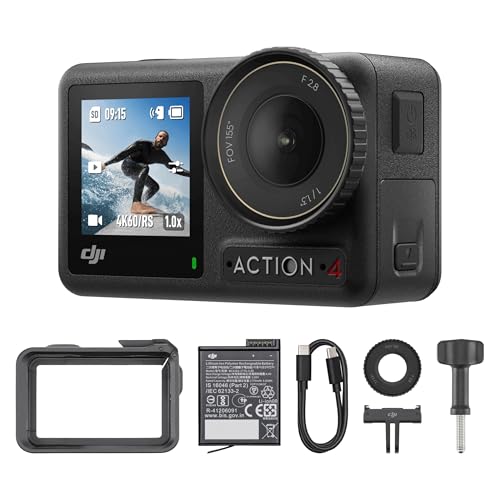
DJI Osmo Action 4 Essential Combo

TIROL SUPPLIES Ultra Light Action Camera 1080P

VEKOOTO VB5 Bike Camera Set
Taking A Closer Look At The Options
A wrist remote changes the practical value of the AKASO EK7000 4K30FPS 20MP WiFi Action Camera on a mountain bike, because starting a clip without reaching for a helmet mount keeps hands on the bars. Electronic image stabilization, meaning software smoothing of shake, helps steady footage over roots and braking bumps. That combination suits riders who want 4K recording without a complex setup.
Compared with the AKASO Brave 4, the EK7000 leans simpler, with a single rear screen and a compact 2 ounce body. A 131 foot waterproof case supports creek crossings and wet trail days, while Wi-Fi reaches 10 meters for phone preview. The honest read is that the remote is not waterproof, so wet-weather control still needs planning.
Positive Points
- Wrist remote allows framing and recording from the handlebar
- 4K30 and 2.7K30 modes suit trail footage and still grabs
- 131 foot waterproof case covers deep water exposure
- Two included batteries support longer ride recording
- 4x digital zoom helps tighten a distant trail feature
Things To Consider
- MicroSD card is not included, so storage needs a separate purchase
- Remote lacks waterproofing for rainy rides
- 90 minute battery life limits long 4K sessions
Dual screens set the AKASO Brave 4 apart, with a 2 inch rear display for framing and a 0.96 inch front display for self-checks at the trailhead. Four selectable viewing angles, from 170 degrees down to 70 degrees, let riders narrow the field instead of always using the widest view. In our view, that flexibility matters on tight singletrack where excess width adds distortion.
Unlike the EK7000, the Brave 4 adds HDMI output for direct television viewing and includes a dual charger with two 1050mAh batteries. Each battery is listed at up to 90 minutes, which supports swapping packs between descents. Accessory kits tuned for bicycle and motorcycle mounts make helmet placement more straightforward.
The Practical Payoff
- Front and rear screens simplify framing before a ride
- Adjustable 170 to 70 degree angles suit different trails
- HDMI port allows large-screen playback after recording
- Two batteries and dual charger reduce downtime
Worth Noting
- MicroSD card is not included
- 131 foot depth requires the waterproof case
Who It Suits Best
Riders who check framing on screens and switch between helmet and handlebar mounts.
Where Another Pick Suits Better
The GoPro Hero Compact Waterproof Action Camera 4K suits riders who prioritize the lightest helmet load.
Weight is the headline here, because 86 grams changes how a helmet camera feels on a long climb. The GoPro Hero Compact Waterproof Action Camera 4K keeps controls to a simple shutter press, which suits riders who prefer recording over menu navigation. HyperSmooth stabilization smooths vibration automatically during fast sections.
Compared with the Brave 4, this model trades dual screens and HDMI for a smaller body and direct waterproofing to 16 feet without a case. A touch screen remains part of the design, and the included curved adhesive mount supports quick helmet attachment. For most trail days, that stripped-down approach keeps focus on riding.
Bright Spots
- 86 gram weight reduces helmet fatigue on long rides
- Waterproof to 16 feet without an extra case
- Simple shutter control speeds up recording starts
- 4K video and 12MP photos cover action and stops
Trade Offs
- Smaller body limits screen and control options
- 16 foot waterproof rating is lower than cased rivals
- Single included battery shapes ride length planning
Mounting variety defines the i3 4K Thumb Action Camera with 64G Card, because a magnetic body, chest lanyard pad, and 360 degree spring clip cover clothing, helmets, and bikes. At 35.7 grams, the thumb-sized body sits differently from the EK7000, favoring chest and collar placement over a traditional action camera mount. That shape suits point-of-view clips where the camera should nearly disappear.
Battery figures are split by resolution, with up to 150 minutes at 1080P, 120 minutes at 2K, and 90 minutes at 4K from an 800mAh cell. Recording while charging adds flexibility for long sessions, depending on cable routing on a frame. A waterproof case reaches 131 feet, while the camera alone needs that housing for water use.
Advantages To Know
- Magnetic and clip mounts cover many riding positions
- 64G card included supports immediate recording
- Recording while charging extends long sessions
- 131 foot case enables underwater riding footage
- 35.7 gram size suits clothing-mounted point of view
Minor Gripes
- Camera alone is not waterproof without the case
- 4K battery time drops to 90 minutes
Editing depth separates the DJI Osmo Action 4 Essential Combo from the simpler AKASO models, because 10-bit color and D-Log M preserve more information for post-production. A 1/1.3 inch sensor with 2.4 micrometer pixels supports low-light trail footage, and 4K at 120fps with a 155 degree field of view captures fast descents. Pre-Rec captures seconds before the record button, which helps on unpredictable trail moments.
Dual full-color touchscreens on front and rear make framing and setting changes easier without removing the camera from a mount. A magnetic quick-release system speeds angle changes between helmet and handlebar positions. The 1770mAh battery is listed at up to 150 minutes and operates down to -20 degrees Celsius, while waterproofing reaches 18 meters.
Key Advantages
- 4K120fps and 155 degree view suit fast mountain bike footage
- 10-bit D-Log M supports detailed color editing later
- Front and rear touchscreens simplify on-trail adjustments
- Cold-resistant battery supports winter riding conditions
- Magnetic release speeds switching between mounts
Room For Improvement
- Essential Combo omits the curved adhesive base
- Advanced color modes reward editing time and skill
Full HD recording at 1080P with a 170 degree wide angle keeps the TIROL SUPPLIES Ultra Light Action Camera 1080P focused on everyday cycling rather than high-resolution production. At 41 grams, the aerodynamic body mounts on helmets, handlebars, or seat posts with a quick-release and anti-theft clamp. That profile differs from the GoPro Hero by prioritizing bike-specific mounting over a general action camera shape.
A 32GB SD card is included, so recording can start without a separate storage purchase. Wi-Fi transfer through the Sports-Camera app moves clips to a phone, and USB rechargeable power simplifies topping up between rides. On long touring days, the light weight keeps the setup unobtrusive.
A Few Highlights
- 41 gram aerodynamic body suits helmet and handlebar mounts
- 170 degree wide angle covers road and trail scenes
- 32GB card included enables immediate recording
- Wi-Fi app transfer simplifies phone sharing
Points To Note
- 1080P resolution is lower than 4K rivals in this lineup
- Bike-focused design limits broader action camera use
Made For
Commuters and touring riders who want a light, ready-to-record cycling camera.
Consider Something Else When
The DJI Osmo Action 4 Essential Combo suits riders who need 4K120fps and advanced color editing.
Rearview monitoring sets the VEKOOTO VB5 Bike Camera Set apart from every forward-facing action camera in this list. A 4.5 inch HD monitor shows a live 1080P feed from behind, while the camera uses a 110 degree wide-angle lens and a 360 degree adjustable mount. That setup addresses traffic awareness on road approaches to trailheads, not just ride footage.
Color night vision from a starlight sensor supports dusk and shaded-road viewing, and the waterproof camera connects through a 9.8 foot cable. Installation needs no tools or external power, with a rechargeable battery supplying the system. Compatibility covers city bikes, mountain bikes, road bikes, trailers, and electric bikes.
Points In Its Favor
- 4.5 inch monitor provides live rearview during rides
- Color night vision helps in low-light conditions
- Tool-free setup speeds installation on different bikes
- Waterproof camera suits wet commuter routes
Softer Spots
- Rearview design does not replace forward action footage
- Cable routing needs care across frame sizes
Factors That Shape A Good Mtb Camera Choice
Mounting Weight And Position
Helmet weight affects comfort on climbs, while handlebar mounts capture steering and front wheel movement. A 35 to 86 gram range across these picks shows how much placement changes the ride feel. Chest mounts give a stable point of view, but clothing movement can enter the frame.
Resolution, Field Of View, And Stabilization
4K recording allows cropping without losing detail, while 1080P keeps files smaller for quick sharing. Wide angles from 110 to 170 degrees change distortion and how much trail enters the frame. Stabilization, meaning electronic smoothing of shake, matters most on braking bumps and rock gardens. Riders who edit footage gain more from 10-bit color than riders who share clips directly.
Battery, Storage, And Water Protection
Battery life drops as resolution rises, so checking minutes at 4K matters for long descents. Included cards or dual batteries reduce setup steps, while separate card purchases add cost and delay. Waterproof ratings need a clear distinction between the camera alone and the camera inside a case, because that detail decides creek and rain use.
Key Considerations Across These Picks
Common Shopping Slip Ups
Matching a wide angle to tight singletrack can add distortion, while a narrow angle can cut off trail context. Checking mount compatibility before ordering avoids mismatched helmet straps and handlebar diameters.
What The Higher Tier Buys
Higher tier models add faster frame rates, larger sensors, and deeper color options for editing. Those gains pay off for riders who slow footage or grade color, while simpler riders gain more from light weight and easy controls.
Frequently Asked Questions
Which camera suits a helmet mount for mountain biking?
The GoPro Hero Compact Waterproof Action Camera 4K suits helmet use because 86 grams keeps the load light. The i3 4K Thumb Action Camera with 64G Card suits clothing mounts because clip and magnetic options place the camera close to the body.
Does waterproof rating include the camera alone?
Some models are waterproof alone to a shallow depth, while others need a case for 131 foot use. Checking that distinction prevents confusion before wet rides.
What resolution matters for trail footage?
4K helps with cropping and slow motion, while 1080P keeps storage and sharing simpler. Riders who edit later gain more from 4K than riders who post clips directly.
How does stabilization affect rough trail clips?
Electronic stabilization smooths shake from roots, rocks, and braking bumps. Wider fields of view can make motion feel faster, so angle choice changes the effect.
Can a rearview system replace an action camera?
A rearview system shows traffic behind during a ride, while an action camera records forward point-of-view footage. Riders who need both perspectives may use separate setups for each job.
Closing Remarks
Riders who want light helmet recording should start with the GoPro Hero, while riders who edit footage should weigh the DJI Osmo Action 4. The VEKOOTO VB5 fills a different role for rearview awareness on road sections. Matching mount weight, resolution, and battery time to the typical ride gives the clearest path to a good fit.