
A mountain bike pack has to stay put on rough descents, carry water without crowding a jacket, and hold tools, snacks, and a phone in places reachable on the trail. Capacity alone does not tell the full story, because harness shape, bladder size, and pocket layout change how a pack feels during a ride. The seven options below split those priorities in different ways, from slim 6-liter carry to a lumbar design that moves load to the hips.
Match your typical ride length and gear list to the size first, then check strap adjustment for your torso. That order helps narrow the list quickly.
The Leading Options At A Glance
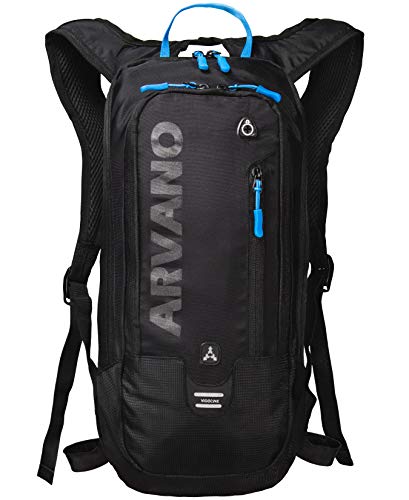
Arvano Small Mountain Biking Backpack 6L Daypack
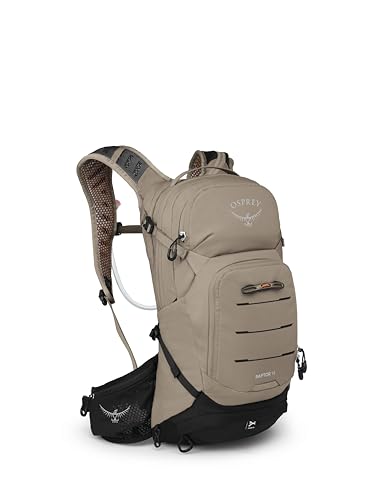
Osprey Raptor 14L Hydration Pack Gray

USWE Outlander XC 4L Hydration Pack Blue

Arctos Epic 10.3 Lumbar MTB Hydration Backpack

Maelstrom Lightweight Hydration Hiking Backpack

Maelstrom Hydration Backpack Running Vest

Criuage Running Hydration Vest Backpack 2.0L
A Deeper Look At The Lineup
A slim 6-liter shape suits riders who carry water, a tube, and a phone without a bulky main compartment. The two-way zipper opens from either end, which helps on the trail, and padded straps add comfort during longer descents. On your short loops, that thin profile feels less intrusive than a larger pack.
A hydration bladder, meaning a flexible water reservoir with a drinking tube, fits up to 2.0 liters, and the reservoir itself is not included. Reflective strips add visibility in low light, and a front zip pocket with a headphone outlet keeps a phone separate. You get a straightforward carry for road, trail, snow, and hiking use, with adjustment at shoulder, chest, and waist to limit movement.
Reasons It Performs
- Light 1.1-pound weight keeps short rides feeling unencumbered
- Adjustable straps help stabilize the slim pack while riding
- Two-way zipper gives flexible access to the main compartment
- Reflective strips support visibility during evening rides
Things To Consider
- Hydration reservoir is not included, so budget for a compatible bladder
- 6-liter capacity suits essentials, not extra layers for long days
Compared with the slim Arvano, the Raptor 14L adds real cargo room and a purpose-built harness for all-day riding. A winged shoulder harness and wrap hipbelt spread load and reduce shifting on rough terrain. That setup suits bike park laps and long trail days where gear, food, and layers all ride along.
A 2.5-liter Hydraulics LT reservoir is included, so hydration is ready from the start. A tool roll, internal organization, and stretch mesh hipbelt pockets keep small items reachable without stopping. You gain a more complete system for serious mileage, and the trade-off is added weight and bulk on quick spins.
What Stands Out
- Included 2.5-liter reservoir simplifies setup for long rides
- Tool roll and internal organization keep trail gear sorted
- Hipbelt pockets allow access to snacks and small items mid-ride
- Winged harness and wrap hipbelt support stability on rough descents
- 14-liter capacity handles gear for all-day outings
Worth Noting
- At 2.22 pounds, it carries more bulk than a minimal pack
- Larger footprint can feel warm on short, hot rides
Speed and a locked-down feel drive this 4-liter design, which takes a different approach from the larger Osprey. The No Dancing Monkey 1.0 harness, a four-point suspension system, aims to keep the pack from bouncing during fast rides and races. Breathable mesh straps support airflow when effort climbs.
Storage holds a phone, keys, gloves, and energy supplies, while a 1.5-liter Elite Hydrapak bladder with a Slide-Seal top, a wide opening for refilling, keeps water close. You need a chest measurement in the 33 to 43-inch range for the adjustable fit, and depending on torso shape, the loops may need careful tuning.
The Case For It
- Four-point suspension aims to reduce bounce at speed
- Included 1.5-liter bladder with quick-refill top
- Breathable mesh supports comfort during high-effort rides
- Compact 4-liter storage keeps essentials close
Trade Offs
- Small capacity limits layers and food for long days
- Chest-size range requires checking fit before ordering
Lumbar carry sets this pack apart, placing weight on the hips instead of the shoulders and upper back. Open mesh shoulder straps keep the upper body freer and cooler, which matters on warm climbs. A dual-action waist strap cinches the pack body and compresses contents to limit movement on descents.
Large wing pockets, side pockets designed for one-handed access, hold big phones and multiple food items. Construction uses 210D ripstop nylon, a tear-resistant fabric, with oversized YKK zippers. You should check height and torso fit, since the sizing targets riders from 5 feet 5 inches to 6 feet 4 inches, and shorter riders may run out of strap adjustment.
The Upside
- Lumbar placement shifts load from shoulders to hips
- Wing pockets allow one-handed access while riding
- Waist strap compresses contents to reduce shifting
- 10-liter storage with included 3-liter bladder
- Ripstop nylon and oversized zippers suit heavy use
Minor Gripes
- Fit range may be limited for riders under 5 feet 5 inches
- Waist strap must sit at belt level for proper fit
- Lumbar shape differs from traditional shoulder packs
A 20-liter main compartment gives this option a broader role across hiking, cycling, and skiing. Front, upper, and lower pockets separate valuables, sunglasses, and daily items, and helmet storage sits between outer and middle pockets. That layout suits mixed weekends where one pack covers several activities.
A 2-liter bladder with bilateral hose outlets, tubes on both sides, supports hands-free drinking, and the sleeve can hold up to 3 liters. A separate insulated compartment helps keep water cooler with ice packs. You get reflective strips, a built-in whistle, and adjustable chest and waist straps, with a 3D breathable padded back for comfort.
Advantages To Know
- 20-liter capacity fits clothes and first-aid items
- Multiple pockets separate gear by type
- Insulated bladder compartment supports cooler water
Small Caveats
- Larger hiking shape differs from a slim cycling pack
- Bladder size options require checking compatibility
Who It Suits Best
Outdoor users who rotate between hiking, cycling, and skiing and need larger storage.
Where Another Pick Suits Better
Osprey Raptor 14L Hydration Pack Gray suits riders who want bike-specific harness and tool organization.
Vest-style carry moves this option toward running and cycling rather than a traditional backpack shape. Four storage pockets and shoulder strap hose ports keep drinking access close during movement. External clips secure a cycling helmet, and reflective strips add visibility after dark.
An aluminum-lined sleeve helps keep a 2-liter bladder cooler, and the bladder uses PEVA material, a flexible plastic commonly used for soft flasks. You get a ventilated back panel and adjustable chest straps spanning 22.4 to 61 inches, which gives a wide fit range for different body types.
What Works In Its Favor
- Vest shape suits running and cycling movement
- Aluminum-lined sleeve supports cooler water storage
- Helmet clips add practical cycling storage
- Wide chest strap adjustment covers many body types
Points To Note
- Vest carry holds less than a 14-liter trail pack
- Fit depends on chest strap range matching torso
Chest-first storage defines this vest, with front pockets for a phone, keys, cash, and snacks. Adjustable chest straps and wide mesh shoulder pads aim to keep the fit secure during running, cycling, hiking, and marathon training. Lightweight material supports prolonged wear without a heavy pack feel.
A dedicated 2.0-liter PEVA bladder supplies water through an ergonomic drinking setup, and the main compartment also holds towels or a helmet. You get quick access to essentials mid-effort, and for most endurance users, that front-pocket layout matters more than raw volume.
Standout Benefits
- Front chest pockets keep phone and snacks reachable
- Adjustable straps help limit movement during activity
- 2.0-liter bladder supports endurance hydration
Areas To Watch
- Chest-pack shape suits training more than heavy gear hauling
- Storage volume is smaller than larger trail packs
Made For
Runners and cyclists who want front access to essentials during endurance training.
Look Elsewhere When
Arctos Epic 10.3 Lumbar MTB Hydration Backpack suits riders who need hip carry and larger wing pockets.
Fit, Capacity, and Carry Style Drive the Choice
Harness Shape Comes First
A winged harness, lumbar wrap, or vest fit changes where weight sits and how much the pack moves. Traditional shoulder carry spreads load across the back, lumbar carry shifts it to the hips, and a vest keeps items on the chest. Match the shape to your torso and riding position before comparing storage numbers.
Bladder Size Sets Ride Length
A bladder is a soft reservoir with a tube for drinking while moving. Smaller bladders around 1.5 liters suit races and short loops, while 2.5 to 3 liters support longer days. Check whether a reservoir is included, because some packs require a separate purchase.
Pocket Access Matters Mid-Ride
Hipbelt pockets, wing pockets, and chest pockets let a rider reach food or a phone without stopping. Tool rolls and internal dividers help at a trailside repair. Reflective strips and helmet clips add practical value for evening rides and cycling routes.
Capacity Needs a Reality Check
A 4-liter pack carries essentials, a 10 to 14-liter pack carries layers and tools, and a 20-liter pack covers hiking loads. Larger capacity adds weight even when empty. Measure your typical gear list against the stated volume, and check strap ranges against your chest, waist, and height.
Key Considerations Across These Picks
Common Shopping Slip Ups
Many shoppers compare liters first and fit second, then discover strap limits on the trail. Checking chest range, height range, and whether a bladder is included prevents most mismatches. A quick gear list also stops oversized packs from becoming default choices.
When Paying More Pays Off
Higher-tier models often add included reservoirs, tool organization, and harness systems tuned for stability. That extra structure pays off on long rides and bike park days. Short, light rides gain less from those additions, so match the features to actual mileage.
Frequently Asked Questions
What size pack suits a typical mountain bike ride?
A 6 to 10-liter pack suits most two to four-hour rides with water and essentials. Longer days with layers and tools benefit from 10 to 14 liters or more.
Is a hydration bladder included with every option?
No, inclusion varies by model. Some packs include a 1.5 to 3-liter bladder, while others require a separate reservoir purchase.
Which carry style reduces shoulder load?
Lumbar carry shifts weight to the hips instead of the shoulders and upper back. That style suits riders who prefer a freer upper body on climbs.
How should fit be checked before ordering?
Chest size, height range, and waist strap position determine a secure fit. Measure those areas and compare them with the stated adjustment ranges.
Are vest packs suitable for mountain biking?
Vest packs work well for running and cycling with front access to essentials. Traditional packs offer more total storage for tools and layers on longer rides.
Closing Remarks
For all-day trail riding, Osprey Raptor 14L Hydration Pack Gray brings the most complete organization and included hydration. For a lighter, faster ride, USWE Outlander XC 4L Hydration Pack Blue keeps the focus on stability and essentials. Match capacity to your longest typical ride, check the strap range for your torso, and the right choice becomes clearer.