
A fall on a rocky descent can turn a good ride into a sore knee for weeks, and the wrong pad adds heat and slipping on every pedal stroke. Your choice comes down to how much coverage you want, how warm the pad runs, and whether it stays put on long climbs. You get a clearer picture by matching padding style and fit system to the trails you ride most.
A Fast Comparison Of The Options
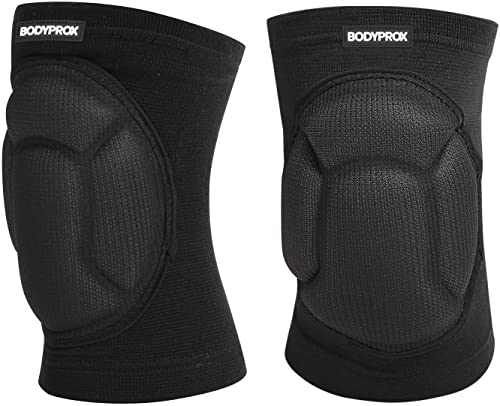
Bodyprox Protective Knee Pads Thick Sponge Sleeve

POC Joint VPD Air Knee Lightweight MTB Knee Pads

IXS Flow Evo+ Knee Pads Grey M

G-Form Pro-X3 Mountain Bike Knee Guards Adult L

G-Form Pro-X3 Mountain Bike Knee Guards Adult M

Fox Racing Enduro Knee Sleeve D3O

NoCry Professional Gel Knee Pads for Work
The Details Behind The Selections
Bodyprox takes a simple sleeve approach that suits casual riders who want light coverage without straps or buckles. Thick sponge padding spreads impact across the front of the knee, while breathable polyester helps limit sweat during short rides. You can pull this pair on quickly before a spin class or a gentle trail loop.
EVA foam, short for ethylene vinyl acetate, forms the main cushion here and keeps the shape flexible during pedalling. In our view, the pull-on design works best on smoother routes where a fall means a scrape rather than a hard rock strike. The pair format covers left and right knees in a unisex cut.
Key Advantages
- Pull-on sleeve removes strap fuss on short rides
- High-density sponge cushions front-knee bumps
- Breathable fabric supports warm-weather use
- Two sizes help match leg circumference
Things To Consider
- Sponge padding offers lighter impact coverage than VPD Air or SmartFlex layers
- Pull-on fit needs a careful size check before longer rides
POC built this pad for riders who pedal for hours and dislike bulky guards around the knee. VPD Air, a foam that stays soft while riding and firms on impact, keeps the profile slim on climbs. Ventilation channels help on warm ascents where thicker sponge can trap heat.
Your pedalling cadence matters here because the low profile leaves room for knee movement on steep pitches. Reinforced stretch fabric, anti-slip neoprene and an elastic strap hold position through rough sections. Compared with the Bodyprox sleeve, this design adds a strap system for a more locked-in feel.
Real-World Strengths
- Slim shape suits long climbs and technical descents
- VPD Air padding flexes during pedalling
- Ventilated construction helps on warm days
- Anti-slip neoprene resists downward creep
- Pair format covers both knees
Worth Noting
- Low profile means less coverage than heavier guards on sharp rocks
IXS Flow Evo+ stands out through a zip entry that changes how a pad goes on and comes off at the trailhead. You can zip them on over tights without twisting a tight sleeve up the leg. AeroMesh fabric, a breathable mesh built for airflow, keeps the rear panel from feeling stuffy.
Xmatter padding, a polymer foam designed to absorb impact energy, sits inside a thin shell for a compact shape. LoopLock fastening adjusts the strap tension around the knee for a tailored hold. For most trail settings, that adjustability helps on rides with mixed climbing and descending.
Noteworthy Benefits
- FlexZip entry simplifies on and off
- Mesh panels improve airflow on climbs
- LoopLock strap refines fit at the knee
Trade Offs
- Thin profile suits light trail use more than heavy rock gardens
- Sizing relies on thigh, knee and calf measurements
- Zip and strap system adds parts to check before a ride
Made For
Riders who value quick entry and breathable mesh on regular trail loops.
Consider Something Else When
Fox Racing Enduro Knee Sleeve D3O suits riders who prefer removable inserts and silicone grip.
G-Form Pro-X3 in Adult Large uses SmartFlex, a polyurethane layer that stays pliable while riding and stiffens on impact. That behaviour differs from sponge sleeves such as Bodyprox, where cushioning stays constant. A compression sleeve shape keeps the pad close without extra straps.
Your sizing check matters because compression fit changes how the sleeve sits above and below the knee. Ventilated foam and moisture-wicking fabric help during long rides, and the pads can go in a machine wash. UPF 50+ fabric adds sun coverage on exposed trails.
Useful Touches
- SmartFlex layer firms up on impact
- Compression sleeve stays close during pedalling
- Ventilated foam helps manage heat
- Machine-washable design eases cleaning
- UPF 50+ fabric covers exposed skin
Minor Gripes
- Snug compression fit needs the sizing chart
- Adult Large suits a narrower leg range than medium
The Adult Medium version shares the same SmartFlex concept as the Large, with sizing as the main difference between the two. That makes size selection the key decision here, rather than a difference in padding technology. A snug sleeve feel suits riders who dislike straps shifting mid-ride.
EVA comfort layering sits behind the SmartFlex pads, adding a softer contact surface. In most trail settings, the low profile helps on pedalling-heavy routes where bulk catches on clothing. Machine-washable construction keeps muddy rides from leaving residue in the fabric.
Benefits That Matter
- Medium size fits smaller leg measurements
- SmartFlex stays flexible while pedalling
- Compression shape reduces loose movement
- Washable pads simplify post-ride cleaning
Points To Note
- Medium sizing will not suit larger legs
- Compression fit feels tighter than strap guards
- Same padding as Large, so size drives the choice
Right Fit For
Newer riders with medium leg measurements who want a strap-free sleeve.
Look Elsewhere When
G-Form Pro-X3 Mountain Bike Knee Guards Adult L suits riders who need the larger size range.
Fox Racing Enduro Knee Sleeve focuses on pedal-friendly riding with removable D3O inserts. D3O is a shock-absorbing material that softens on impact, and removal lets riders adjust coverage for climbs versus descents. You can pull the inserts out for a lighter pedal day and add them back for rougher terrain.
Silicone grip bands at top and bottom help hold the sleeve in place without a strap. Moisture-wicking micro-lycra and a nylon mesh rear panel support airflow behind the knee. Compared with POC Joint VPD Air Knee, this sleeve trades a strap for grip bands and removable padding.
The Practical Payoff
- Removable inserts allow coverage changes
- Silicone grip resists slipping
- Mesh rear panel improves airflow
Small Caveats
- Not water resistant, so wet rides need drying time
- Large size only in this listing
NoCry takes a different route with a hard cap, gel cushion and EVA foam built for kneeling on floors. That construction suits construction, flooring and garden tasks far more than pedalling. Straps with buckles and rivets hold the cap steady during work, not during a ride.
Hang loops give a place to store the pair after use, which helps in a garage or workshop. Breathable polyester mesh keeps the back of the leg cooler during long kneeling sessions. For trail use, the cap and straps add bulk that sleeve designs avoid.
Notable Gains
- Hard cap protects during kneeling work
- Gel and EVA foam cushion floor contact
- Adjustable straps secure the fit
- Hang loops simplify storage
- Mesh backing supports airflow
Areas To Watch
- Work design feels bulky for pedalling
What Matters Most Before Choosing Mountain Biking Knee Pads
Padding That Moves With Pedalling
Materials such as VPD Air, SmartFlex, Xmatter and D3O stay soft while riding and firm on impact. Sponge and EVA foam keep a steadier cushion, which suits lighter falls. Match the padding behaviour to the terrain, since rocky descents demand more than smooth paths.
Fit Systems And Sizing Checks
Measure thigh, knee and calf before ordering a sleeve or compression guard. Strap systems allow mid-ride tweaks, while pull-on sleeves rely on the initial size. You should test the fit at home with a pedal stroke motion before heading out.
Heat, Ventilation And Wash Care
Mesh rear panels and ventilated foam help on long climbs in warm weather. Machine-washable pads suit muddy rides, while removable inserts need separate care. Air-dry times matter for back-to-back ride days.
Sleeve Versus Strap Designs
Sleeves feel streamlined and work well for pedalling-heavy routes. Strap guards cover more of the shin and knee, which helps on sharper terrain. The trade-off shows up in heat, bulk and how easy entry feels at the trailhead.
Key Considerations Across These Picks
Common Shopping Slip Ups
Ordering by clothing size alone often leads to a loose sleeve that slides on climbs. Skipping the sizing chart also causes compression guards to feel too tight. A quick measurement check prevents most fit problems.
Where The Extra Money Goes
Higher tiers add removable inserts, advanced impact foams and grip systems that adjust to different rides. Those features suit riders who switch between climbing and technical descents. Basic sponge sleeves remain a sensible choice for short, smooth routes.
Frequently Asked Questions
How do mountain biking knee pads differ from work knee pads?
Mountain biking pads use flexible foams and sleeves that move with pedalling. Work pads use hard caps and straps built for kneeling on floors.
What size should you choose for a sleeve pad?
Measure thigh, knee and calf and match those numbers to the sizing chart. That process gives a closer fit than clothing size alone.
Can sleeve pads stay in place on long climbs?
Grip bands, anti-slip neoprene and elastic straps help sleeves resist slipping. Fit still depends on correct sizing for the leg.
Are removable inserts useful for trail riding?
Removable inserts let riders change coverage for climbs versus descents. That flexibility suits mixed terrain within a single ride.
How should foam and mesh pads be cleaned?
Follow the care label for the specific pad, since some allow machine washing and others need hand washing. Air drying helps foam keep its shape.
Final Verdict
POC Joint VPD Air Knee suits long trail days, while G-Form Pro-X3 suits riders who want a compression sleeve. Fox Racing Enduro Knee Sleeve D3O adds removable coverage for mixed terrain. Pick the padding and fit system that match the trails you ride most, and you will get more use from the pair.