
A pickup loaded with bikes for a Saturday shuttle, a commuter rolling through park paths at dusk, and a beginner testing a first trail loop all pull toward the same budget category for different reasons. Frame size, gearing, braking, and transport fit decide whether a choice feels right after the first month. The options below separate trail-ready bikes from transport and lighting gear, so matching the item to the job comes first.
The Picks In Brief

Himal Outdoors Tailgate Pad for Mountain Bike Holds 5 Bikes

Himal Outdoors Tailgate Pad for Mountain Bike Holds 7 Bikes

WEIZE 26 27.5 in Mountain Bike for Men Women (Gray)

Bike Lights Front and Back Set for Night Riding Rechargeable
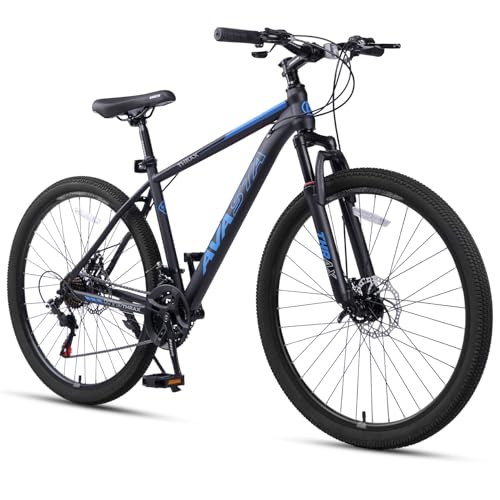
AVASTA Thrax 24 26 27.5 Inch Adult MTB Mountain Bike

26/27.5 Inch Mountain Bike Lightweight Aluminum Frame MTB Dual Disc Brakes

WEIZE Mountain Bike 24 26 27.5 inch 18-Speed Dual Full Suspension
A Breakdown Of The Leading Choices
For compact and mid-sized trucks, this 52-inch pad protects the tailgate while five bikes ride over the top. The 3/4-inch foam layer and soft underside separate frames from painted metal during shuttle trips. It suits a regular crew heading to a trailhead, and you shuttle without loading the truck bed.
An enlarged rear window keeps the backup camera visible, a detail that matters on crowded trailhead lots. Zippered tool pockets and a handle-access flap add everyday utility. For most compact trucks, strap placement stays straightforward, though longer beds change how the pad sits.
What Stands Out
- 600D PVC outer layer resists abrasion and weather exposure
- 3/4-inch foam cushions bikes against the tailgate
- Velcro straps hold up to five bikes in place
- Enlarged window preserves backup camera view
- Two zippered pockets store tools out of sight
Things To Consider
- 52-inch width fits compact and mid-sized trucks, so measure first
- Five-bike capacity suits smaller groups rather than larger crews
Compared with the 52-inch five-bike version above, this 61-inch pad spreads across wider tailgates such as full-sized models. The same 3/4-inch foam and soft underside protect paint while Velcro straps separate up to seven bikes. Larger crews gain space in the truck bed for gear.
Flip-cover zippered pockets, a large rear opening for the handle and camera, and reinforced cinch straps support repeated shuttle use. Your truck bed stays clearer because bikes ride on the tailgate instead of inside. On narrower trucks, the extra width needs a careful fit check before loading.
Positive Takeaways
- 61-inch width covers wider tailgates
- Holds up to seven bikes with Velcro straps
- Large rear window keeps camera and handle accessible
- Two pockets with flip covers store tools
- Reinforced straps add stability during transport
Worth Noting
- 61-inch width may overhang narrower tailgates
- Seven-bike loading takes more arranging time at the trailhead
- Camera view depends on camera placement near the handle
Who It Suits Best
Full-sized truck owners shuttling six or seven bikes to weekend trails.
Where Another Pick Suits Better
Himal Outdoors Tailgate Pad for Mountain Bike Holds 5 Bikes suits compact truck owners with smaller groups.
Beginners get a 17-inch aluminum frame, 21-speed shifting, and disc brakes at both wheels in one package. Front and rear suspension soften bumps on park trails and gravel paths. You ride neighborhood streets and light trails without a steep learning curve.
The 26-inch version fits riders from 5’3″ to 5’10”, while 27.5 inches fits 5’5″ to 6’5″. Wide 2.125-inch tires, a kickstand, and a front reflector support daily commuting. In our view, sizing matters more than wheel preference for first-time riders.
Well-Handled Touches
- Aluminum frame keeps weight manageable for daily riding
- 21 speeds handle flat roads and moderate hills
- Dual disc brakes provide controlled stopping
- Full suspension smooths uneven paths
Trade Offs
- 17-inch frame limits fit tuning for shorter or taller riders
- Full suspension adds complexity for paved-road-only use
Night riding needs visibility from both ends, and this set pairs a 300-lumen front light with a 100-lumen rear light. Nine modes per light plus memory function let riders keep a preferred setting. It fits mountain bikes, e-bikes, scooters, and strollers through a universal design.
Silicone straps install without tools, and ABS plus PS construction handles rain and splashes. You charge both lights through a dual-wire USB cable in about 1.5 hours. Runtime ranges from 4 to 20 hours depending on mode, so brighter settings trade directly against longer time between charges.
Useful Highlights
- Front and rear lights cover visibility in one set
- Memory function restores the last mode used
- Waterproof build suits rainy commutes
- 35g per light keeps added weight low
- Tool-free straps speed installation
Minor Gripes
- 750mAh battery means brighter modes drain faster
- Non-detachable battery requires cable charging
Bike Lights Front and Back Set for Night Riding Rechargeable
Households with riders of different heights get three wheel sizes here, from 24 to 27.5 inches, with quick-release wheels. A high-carbon steel frame and premium suspension fork target stability on mixed terrain. You size the bike to the rider instead of forcing one frame to fit everyone.
Twenty-one speeds and disc brakes cover gear changes and stopping across trails and paved paths. Assembly is 75% complete, with an installation video on the product page. For most family garages, the steel frame feels sturdy, though it carries more weight than the aluminum options later in this list.
Everyday Advantages
- Three wheel sizes fit varied rider heights
- Quick-release wheels simplify transport and storage
- 21-speed derailleur covers hills and flat sections
- Disc brakes support controlled stopping
Room For Improvement
- High-carbon steel frame is heavier than aluminum frames
- 75% assembly still requires setup time before first ride
Made For
Families needing multiple sizes for teens and adults sharing trail time.
Consider Something Else When
26/27.5 Inch Mountain Bike Lightweight Aluminum Frame MTB Dual Disc Brakes suits riders who prioritize lighter weight.
Unlike the steel AVASTA Thrax above, this QARSWA model uses a lightweight aluminum frame with dual mechanical disc brakes. Trigger shifters pair with 21 speeds for smoother gear changes on climbs. You get a lighter carry up stairs and easier handling on longer rides.
Front suspension absorbs bumps, and a high-elastic foam saddle plus adjustable seat height support a customized fit. Delivery is 85% pre-assembled with tools included and a quick-release front wheel. On steep descents, disc brakes give more consistent control than linear-pull brakes on the WEIZE model that follows.
Notable Upsides
- Aluminum frame reduces weight versus steel frames
- Trigger shifters make gear changes quicker
- Dual disc brakes respond on descents and in traffic
- 85% pre-assembly shortens setup time
- Adjustable seat height aids fit across riders
Points To Note
- Front suspension only, unlike full-suspension options
- 26 and 27.5-inch sizes still require a height check
Dual suspension defines this WEIZE model, with a front fork and rear coil shock smoothing rough paths. An 18-speed twist-shifter setup with front and rear derailleurs helps riders find a comfortable cadence. You prefer a softer ride over maximum gear range, this layout fits that priority.
High-carbon steel construction and linear-pull brakes keep the setup straightforward for casual use. The 26-inch all-terrain tires suit riders from 5’2″ to 6’2″, and partial assembly takes about 20 minutes with included tools. Compared with the disc-brake models above, braking control here is simpler rather than stronger on steep descents.
Everyday Wins
- Front fork plus rear coil shock smooth bumps
- Adjustable ergonomic seat supports varied riders
- 18 speeds cover casual hills and paths
- All-terrain tires handle mixed surfaces
Small Caveats
- Linear-pull brakes offer less control than disc brakes
- Steel dual-suspension frame adds weight for carrying
What Matters Most Before Choosing Mountain Bikes Budget
Frame Fit and Wheel Size
Height ranges decide wheel size more than personal preference. A 26-inch wheel suits shorter riders, while 27.5 inches suits taller riders on the same frame. Check the stated height range before comparing gearing or suspension.
Gearing and Braking
Twenty-one speeds give a wider range for hills than 18 speeds, and trigger shifters change gears faster than twist shifters. Disc brakes hold control on descents, while linear-pull brakes suit flat, casual paths. Match braking to terrain rather than treating every brake as equal.
Suspension and Frame Material
Full suspension smooths bumps but adds weight and complexity, while front-only suspension keeps handling simpler. Aluminum frames reduce carrying weight compared with steel, a difference that shows up on stairs and long rides. For paved commuting, rigid or front suspension often covers the need with less maintenance.
Transport and Night Use
Tailgate width and bike count decide between a 52-inch and 61-inch pad, and both need a measurement check against the truck. Night riding adds a separate need for front and rear lighting, since a bike alone does not solve visibility. You check tailgate dimensions and lighting needs at the same time as bike fit.
Key Considerations Across These Picks
Common Shopping Slip Ups
Picking a wheel size by color or availability instead of height range leads to an awkward fit. Adding a tailgate pad without measuring width causes overhang or gaps. Skipping lights for evening rides leaves a visibility gap on shared paths.
What The Higher Tier Buys
Higher-tier choices in this group trade steel for aluminum, linear-pull brakes for disc brakes, and twist shifters for trigger shifters. Those changes reduce weight and improve control on hills and descents. The upgrade pays off for frequent trail use, while casual neighborhood riding gains less from each step.
Frequently Asked Questions
Which wheel size fits most adults?
Twenty-seven point five inches fits many adults from 5’5″ to 6’5″ on the models listed here. Twenty-six inches suits riders from about 5’2″ to 5’10”, depending on the model. Height range should drive the choice.
Do disc brakes matter on budget mountain bikes?
Disc brakes provide more consistent stopping on descents and wet paths. Linear-pull brakes remain workable for flat, casual riding. Terrain decides which system carries enough control.
How many bikes can a tailgate pad carry?
The pads listed here carry five or seven bikes depending on width. A 52-inch pad suits compact trucks, while a 61-inch pad suits wider tailgates. Measure the tailgate before choosing.
Is full suspension worth it for commuting?
Full suspension helps on gravel paths and light trails with uneven surfaces. Front-only suspension covers bumps with simpler handling for mixed use. Paved commuting alone gains little from rear suspension.
What should night riders add to a new bike?
A front and rear light set covers visibility from both directions after dark. Rechargeable models with multiple modes let riders adjust brightness by road type. Runtime depends on the selected mode.
Final Thoughts
For trail-ready riding on a budget, the aluminum QARSWA model balances weight, disc brakes, and trigger shifting. For transport, match pad width to the truck and bike count first. You pick the bike that fits height and terrain, then add lighting for evening rides.