
A sore seat can turn a good trail into a short ride. You notice saddle fit most on long climbs, rough descents, and rides that stretch past an hour. Width, padding shape, and rail material change how weight spreads across your sit bones. The seven options below cover men’s specific relief, wide comfort shapes, and lighter trail designs for different riding styles.
A Fast Comparison Of The Options

Ergon SM MTB Pro Men Stealth M/L

ROCKBROS Bike Seat for Men Women Waterproof Ergonomic

Bike Seat Saddle for Men Women Comfortable

WTB Volt Bike Seat Medium Padding
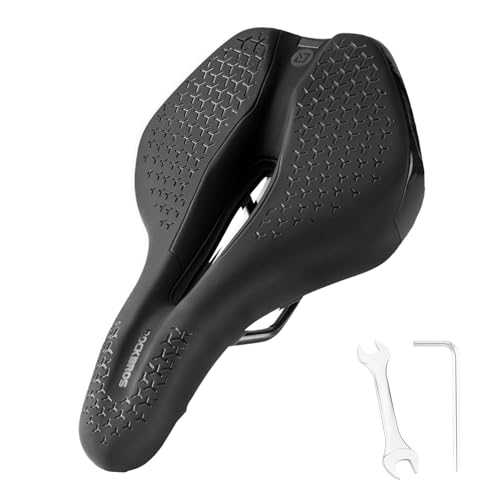
ROCKBROS Comfort Bike Seat Wave Ergonomic

Comfortable MTB Gel Seat Mountain Bike Saddle
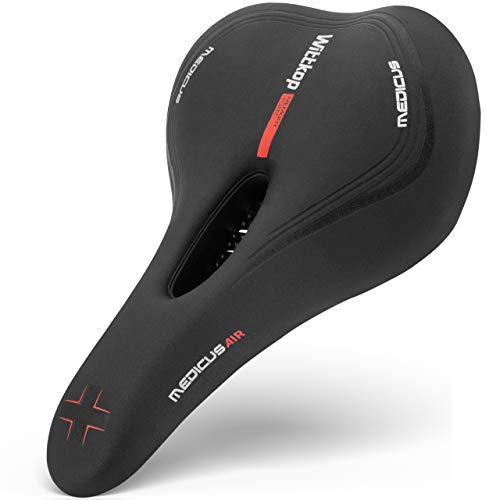
Wittkop Bike Seat I for Men and Women Waterproof
Taking A Closer Look At The Options
Long marathon efforts suit this men’s specific shape, with a flatter profile aimed at spreading load across the sit bones. The rear relief channel addresses pressure in sensitive areas, a detail many riders prioritize on rides lasting several hours.
You get OrthoCell inlays in the contact area instead of gel pads, paired with AirCell foam for support at lower weight. Slick side flanks reduce friction during pedaling, and the nylon composite shell with TiNox rails keeps the structure firm. In our view, the medium/large sizing suits riders who need broader support rather than a narrow race shape.
The Practical Payoff
- OrthoCell inlays distribute pressure across sit bones
- Flatter profile allows movement on long rides
- Microfiber cover is washable for regular cleaning
- TiNox rails support a stated 220 lb limit
- Low friction flanks help during repeated pedaling
Things To Consider
- Men’s specific shape limits use as a shared saddle
- Medium/large size needs a sit bone width check
Everyday commuting and folding bike use suit this lighter shape, at 262 g with a tapered front and wider rear. The narrower nose helps legs move without rubbing, while the wider back supports seated posture.
You can set position more easily with markings on the rails, and the included hex and open-end wrenches simplify fitting. A center slot promotes airflow, and the matte PU surface adds grip. For most riders, the 220 lb capacity covers casual and commuter use without a heavy saddle.
The Helpful Details
- PU cover with dense foam for cushioning
- Airflow channel keeps the center cooler
- Rail markings aid repeatable installation
- Tools included in the package
Worth Noting
- Basic foam lacks the shaped support of the Ergon option
- Matte surface may feel less slick during movement
Who It Suits Best
Commuters and casual riders wanting a light, simple replacement for road, MTB, or folding bikes.
Where Another Pick Suits Better
Ergon SM MTB Pro Men Stealth M/L suits riders seeking men’s specific relief for long trail days.
This full replacement saddle targets riders swapping a worn seat on cruisers, e-bikes, or stationary bikes. Thick high-density foam and a non-slip leather cover create a cushioned surface, with a center vent for airflow.
Your setup includes a saddle adapter, mounting wrench, and waterproof protective cover, which helps with standard seat posts. The 9.7 by 8 by 3.7 inch size gives a broad sitting area, and the narrow front allows thigh movement. Assuming a standard post clamp, fitting stays straightforward for home mechanics.
The Upside
- Complete saddle, not a cover overlay
- Adapter and wrench included for installation
- Center vent supports airflow on longer rides
- Non-slip cover adds seated grip
Trade Offs
- Broad shape feels bulky on aggressive trail bikes
- Thick padding suits relaxed posture over race posture
- Large footprint needs storage clearance checks
Medium padding thickness gives a middle ground between cushion and firm support, aimed at mountain, gravel, and e-bike use. A deeply contoured shape cradles the pelvis, which helps riders with limited flexibility stay stable.
You choose among three widths to match sit bone spacing, a choice that affects power transfer and comfort more than padding alone. A central channel and underside cutout provide soft tissue relief. Compared with the Ergon shape, this option trades men’s specific channel design for width choice across sizes.
What Makes Sense
- Three widths support different sit bone measurements
- Medium padding balances cushion and firmness
- Contoured shape stabilizes the pelvis
- Relief channel runs along the center
- Suits trail, gravel, and road rides
Minor Gripes
- Width selection requires measuring before ordering
- Medium padding may feel firm for comfort focused riders
A downward tilting front wave shape aims to ease pressure and absorb shocks, while high-density foam adds resilient support. At about 340 g, the shape stays lighter than the broad replacement saddle earlier in the list.
You avoid extra tools with installation tools included, and side markings help place the saddle precisely. Carbon steel rails resist deformation, and a hollow slot supports airflow. The anti-slip PU surface adds grip, and the narrow front reduces leg rubbing on longer rides.
A Favorable Mix
- Wave profile eases front pressure
- Carbon steel rails add sturdy support
- Hollow channel supports air circulation
- Installation tools included
- Textured PU surface improves grip
Room For Improvement
- Wave shape may feel unusual for race posture riders
- Steel rails add weight compared with TiNox
Made For
Road and MTB riders wanting a shaped comfort saddle with airflow and marked rails.
Consider Something Else When
WTB Volt Bike Seat Medium Padding suits riders who prioritize width choice for sit bone fit.
Gel padding under a waterproof PVC leather surface gives a thick, cushioned feel for relaxed riding. High elasticity foam adds shock absorption, and a hollow center supports airflow during longer rides.
Your rides stay comfortable on rough paths with dual stainless steel rails and elastic material beneath the shell. A reflective stripe adds visibility at night, and the streamlined shape reduces inner thigh friction. In most settings, the 6.69 by 11.02 inch size fits standard rail clamps with a 7/8 inch inner diameter.
What Pays Off
- Gel padding adds a soft riding feel
- Waterproof PVC surface wipes clean easily
- Hollow design supports airflow
- Reflective stripe aids night visibility
Points To Note
- One pound weight suits comfort over weight saving
- Thick shape may feel wide on narrow bikes
- Clamp diameter needs checking before fitting
A five zone concept shapes different areas of the saddle for support across the sitting surface. The waterproof cover helps with rain and trail spray, and the unisex shape suits shared bikes.
You get compatibility across BMX, MTB, road, and exercise bikes, which helps households with mixed bikes. Compared with the gel padded option, this shape relies on zoned contouring rather than thick gel. For most riders, that makes it a straightforward everyday replacement.
Advantages To Know
- Five zone shaping spreads support
- Waterproof cover handles wet rides
- Unisex design suits shared bikes
- Fits BMX, MTB, road, and exercise bikes
Softer Spots
- Zoned shaping lacks width options like the Volt
- Shared shape may not match men’s specific relief needs
What Matters Most Before Choosing a Mountain Bike Saddle
Sit Bone Width And Shape
You measure sit bone spacing before selecting width, since width affects support more than extra padding. A saddle that is too narrow concentrates load, while a saddle that is too wide can cause rubbing. Your sit bones need a surface wide enough to carry load without forcing a numb center.
Padding And Relief Channels
Padding thickness changes feel, with medium shapes balancing cushion and firmness for trail use. Relief channels and cutouts reduce pressure on soft tissue, and their placement differs between men’s specific and unisex designs. Thick gel suits relaxed posture, while firmer foam suits longer efforts.
Rails, Weight, And Fitment
Rail material affects weight and stiffness, with TiNox and steel options serving different priorities. Weight limits and clamp size need checking before ordering, especially on e-bikes and older posts. Marked rails help repeat a position after adjustments.
Cover And Weather Use
Waterproof PU, PVC, and microfiber covers respond differently to rain, sweat, and cleaning. Matte surfaces add grip, while slick flanks reduce friction during pedaling. Riders in wet climates gain more from a waterproof cover than riders in dry conditions.
Key Considerations Across These Picks
Common Shopping Slip Ups
Many riders buy extra padding instead of checking width first. That approach often adds bulk without fixing pressure points. Measuring sit bones and checking clamp size prevents a costly swap.
What The Higher Tier Buys
Higher tier saddles use lighter rails, shaped inlays, and specific relief designs. Those details help on long rides where small pressure differences add up. Casual short rides gain less from the upgrade.
Frequently Asked Questions
How do you measure sit bone width for a saddle?
Sit bone width is measured across the bony points in the pelvis, often with a foam pad or calipers. That measurement guides width choice among narrow, medium, and wide options.
Are gel saddles better than foam saddles?
Gel adds a soft feel for relaxed riding and short to medium trips. Foam and inlay designs often suit longer rides where support and weight matter more.
What does a relief channel do?
A relief channel removes material along the center to reduce pressure on soft tissue. Placement and width change how much relief a rider feels.
Can one saddle fit road and mountain bikes?
Many saddles fit both types when rail size and clamp diameter match the seat post. Checking the clamp specification prevents fitment problems.
How often should saddle position be checked?
Saddle position should be checked after changing posts, stems, or handlebar height. Small changes in height and setback affect comfort and pedaling.
Final Verdict
Long trail riders gain the most from the Ergon men’s specific design, while width focused riders suit the WTB Volt. Commuters and shared bikes suit the lighter ROCKBROS and Wittkop shapes. Match width, relief, and cover to the rides planned most often.