
A saddle bag, a waist pack, and a 3-liter hydration pack solve very different trail problems. You need capacity where it stays out of the way during descents and climbs. Capacity, carry position, and bottle access matter more than raw volume alone. That distinction shapes the seven choices below, from a 1-liter wedge to a 12-liter M.U.L.E.
Your Options, Compared

Topeak Aero Wedge Pack Seat Bag Medium Expandable
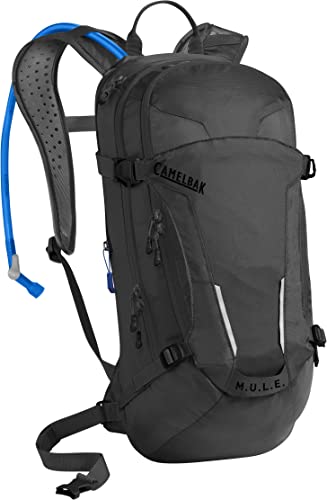
CamelBak Mule Bike Hydration Pack 100oz, Black

CamelBak Mule 12 Bike Hydration Pack 100oz, Rust

Danuosie Bike Seat Bag Water Resistant 1L Saddle Bag

Osprey Savu 5L Biking Waist Pack Blue OS

ROCKBROS Bike Frame Bag 1.2L Triangle Storage Pouch
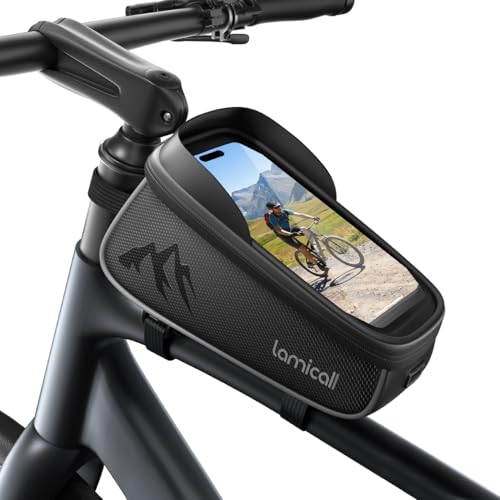
Lamicall Bike Frame Bag Waterproof 1.6L Phone Bag
More On The Choices That Made The List
A tapered wedge under the saddle suits riders who carry repair gear without wearing a backpack. You can tuck a tube, levers, and a mini tool into a single zippered space that expands from 0.98 to 1.31 liters. The shape keeps the load low and centered, which matters on steep climbs where a bouncing pack changes handling.
Unlike the Danuosie saddle bag later in this list, this medium Topeak uses 1200D polyester and a quick-release buckle on nylon straps. That construction fits railed saddles and removes quickly for storage indoors. A reflective strip and rear light clip add visibility after dusk, a practical detail for commuters.
The Practical Payoff
- Expandable 0.98 to 1.31 liter space for tubes and tools
- 130 gram weight keeps saddle load light
- Quick-release buckle speeds removal and refitting
- Reflective strip plus light clip for low light
Things To Consider
- Single compartment limits separation of wet and dry items
- Saddle clearance needs checking on bikes with limited space
Technical terrain calls for a pack that stays planted during drops and tight switchbacks. You get a 3-liter Crux reservoir with Quicklink connection inside 12 liters of total storage. That reservoir size suits rides lasting several hours in warm conditions, for most riders on hot climbs.
The Air Director back panel channels air behind the pack, while a ventilated harness reduces heat buildup. A removable stability belt adds support on rough descents and comes off for a lighter fit on smoother routes. An integrated tool roll, secure phone pocket, and exterior helmet carry keep gear sorted.
What Helps Most
- 3-liter reservoir supports long rides without refilling
- Air Director panel improves airflow on climbs
- Removable belt lets fit adapt to terrain
- Tool roll and helmet carry reduce loose gear
- Secure phone pocket keeps device accessible
Worth Noting
- 12-liter volume feels bulky for short rides
- Backpack carry suits riders comfortable with shoulder straps
Long rides in heat reward a pack designed around airflow and steady drinking. You will notice the Air Support back panel, which uses mapped ventilation to move air where heat builds during climbs. The redesigned ergonomic fit aims to move with the body over long miles.
Compared with the earlier CamelBak Mule in black, this Rust version adds magnetic tube management. The tube stays secured yet easy to grab, so sipping does not break rhythm on technical sections. A stretch overflow pocket, helmet carry, tool organization, and removable waist strap round out storage.
Useful Touches
- Magnetic tube trap keeps drink tube in reach
- Air Support panel targets ventilation on hot rides
- Overflow pocket holds an extra layer or rain jacket
- Removable waist strap adjusts support level
Trade Offs
- Full hydration pack adds weight compared with saddle bags
- 100-ounce reservoir needs filling before longer outings
- Shoulder carry may feel warm in humid weather
Who It Suits Best
Riders planning all-day trail days who value steady hydration and cooling airflow.
Where Another Pick Suits Better
The Topeak Aero Wedge Pack Seat Bag Medium Expandable suits riders who prefer repair storage under the saddle without a backpack.
Commuter rides often need keys, wallet, gloves, and a phone close at hand. You can separate small items across a large main compartment and three mesh pockets inside this 1-liter saddle bag. Strap-on mounting adjusts to different saddle positions on mountain, road, and commuter bikes.
The shell uses 900D Oxford fabric with PU coating for water resistance, and the material contains no PVC. Reflective elements improve visibility in low light, which helps on evening rides. The honest read is that 1 liter is tight for a full repair kit, so it suits light essentials rather than a complete trail toolkit.
What Pays Off
- Three mesh pockets keep small items separated
- Water resistant PU coated fabric for rainy rides
- Adjustable straps fit varied saddle setups
- Reflective design aids low light visibility
Small Caveats
- 1 liter holds essentials, not a full repair kit
- Strap fit needs checking on unusual saddle rails
A lumbar pack changes the carry completely compared with a backpack. You keep snacks and a phone in dual hipbelt pockets while bottles ride in stretch mesh pockets at the sides. Single or double bottle carry supports quick lunch laps through mid-length rides, with bottles sold separately.
The AirScape backpanel uses mesh-covered ridged foam with a center airflow channel, made with 50 percent recycled EVA foam. An angled airmesh hipbelt with crossbody ErgoPull adjustment helps the pack hug the body during pedaling. Side compression straps stabilize contents on rough sections.
Standout Benefits
- Dual bottle pockets keep hydration at the hips
- Hipbelt pockets allow snack and phone access mid ride
- AirScape panel adds airflow against the back
- Zippered internal organization plus key clip
- One size unisex fit covers broad body shapes
Points To Note
- Bottles sold separately, so hydration needs planning
- 5-liter capacity suits shorter rides, not all-day loads
Frame-mounted storage keeps tools off the body and out of a saddle bag. You reach phone, earphones, and money in a spacious pocket, while a mesh pocket holds keys and nutrition. At 1.2 liters and 0.35 pounds, the pouch uses the triangle space without rubbing against legs.
Three straps secure the bag to frame tubes, and the shell layers PU plus polyester outside, 5mm foam in the middle, and polyester cloth inside. That layered build adds shape and padding around contents. Reflective trim on both sides helps visibility during night rides.
The Good Stuff
- 1.2 liter triangle space for tools and nutrition
- Three strap mounts keep bag stable on rough roads
- Foam middle layer adds structure and padding
- Reflective trim for night visibility
Honest Caveats
- Frame triangle size must fit the pouch shape
- Access requires stopping or reaching down to frame
- Capacity suits essentials, not layers or large tools
Made For
Road, mountain, and commuter riders who want frame-mounted tool storage.
Look Elsewhere When
The Lamicall Bike Frame Bag Waterproof 1.6L Phone Bag suits riders who need phone visibility and touchscreen access.
Navigation on the bike changes the storage priority. You check GPS maps, switch songs, or answer calls through a high-sensitivity touchscreen window without stopping. The 1.6-liter space holds a phone up to 7 inches plus wallet, keys, energy bars, or mini repair tools.
Waterproof PU fabric and sealed dual zippers protect contents, with an extra rain cover for heavy storms. Three straps install the bag quickly, and soft rubber zipper pulls remain easy to grip with thick cycling gloves. Compared with the ROCKBROS triangle pouch, this design trades some tool space for phone access.
Notable Upsides
- Touchscreen window allows phone use while riding
- 1.6 liter capacity fits phone plus essentials
- Rain cover adds storm protection
- Headphone port supports hands-free calls
- Three straps remove in seconds
Areas To Watch
- Phone size must stay under 7 inches
- Frame fit needs checking before installation
What Matters Most Before Choosing Mountain Bike Packs
Carry Position Shapes Comfort
You should decide between saddle, frame, waist, and backpack carry first. Saddle and frame bags keep the back clear, while a waist pack moves bottles to the hips. A backpack spreads heavier loads across the shoulders and suits larger hydration needs.
Capacity Needs Change With Ride Length
Short rides need little more than a tube and tool, so a 1 to 1.31 liter bag covers the basics. Longer rides add layers, snacks, and water, pushing toward 5 liters at the waist or 12 liters on the back. Extra volume adds weight, so match capacity to distance rather than filling space for its own sake.
Access And Weather Protection Matter Daily
Phone access, bottle reach, and reflective details affect routine use more than headline volume. Water resistant fabrics, sealed zippers, and rain covers help in changeable weather. Check saddle rails, frame triangles, and phone size before ordering, since mounting fit determines whether storage works on a particular bike.
Key Considerations Across These Picks
Common Shopping Slip Ups
Shoppers often buy volume without checking mounting space. Saddle clearance, frame triangle shape, and phone dimensions cause the most returns. Measuring the bike first prevents a bag that looks right in photos from fitting poorly in practice.
Why Top Tier Costs More
Higher tier packs add ventilation systems, magnetic tube control, and structured back panels. Those details help on long hot rides, where airflow and stable carry matter. Shorter rides gain less from such features, so the upgrade pays off mainly with distance and heat.
Frequently Asked Questions
Which pack suits a rider who dislikes backpacks?
Saddle bags and frame bags suit that preference, with the Topeak wedge and ROCKBROS triangle pouch leading for repair gear. You keep the back clear while tools stay on the bike.
How much water capacity suits long rides?
A 3-liter reservoir suits several hours in warm conditions for many riders. Shorter rides can use bottles in a waist pack instead.
What should be checked before ordering a frame bag?
Frame triangle dimensions and tube positions need measuring first. You also need phone size confirmed for phone-specific designs.
Do saddle bags work for commuters?
Yes, compact saddle bags carry keys, wallet, gloves, and a phone for daily trips. Water resistant materials help during rainy commutes.
Which option gives the easiest bottle access?
The Osprey waist pack places bottles in hip-level mesh pockets. That position allows quick grabs without reaching onto the back.
Final Verdict
Hydration backpacks lead for long trail days, while saddle and frame bags win for light essentials. Match carry position to ride length, check mounting fit carefully, and prioritize access features used on every outing. That approach narrows the list quickly.