
A soft tire halfway through a commute can turn a smooth ride into a slow push home. A mini pump that fits in a jersey pocket or saddlebag solves that problem without adding bulk to the frame. Presta and Schrader are the two valve types found on most bikes, and matching the pump to the valve matters more than chasing the highest pressure number. Your choice comes down to manual simplicity or electric speed, plus how much storage space you have.
A Side-By-Side Look
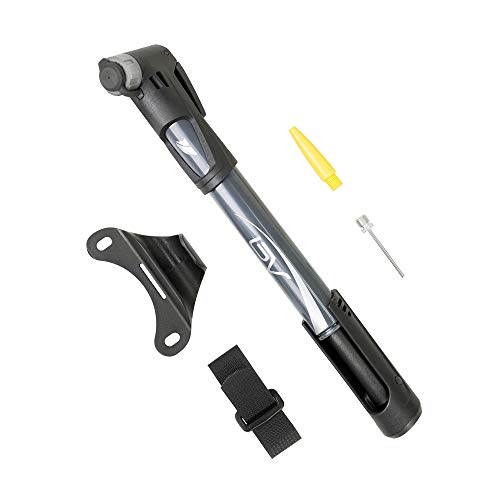
BV Mini Bike Pump Portable Frame Pump 120PSI

Aluminum Alloy Mini Bike Pump Portable Lightweight (Black)
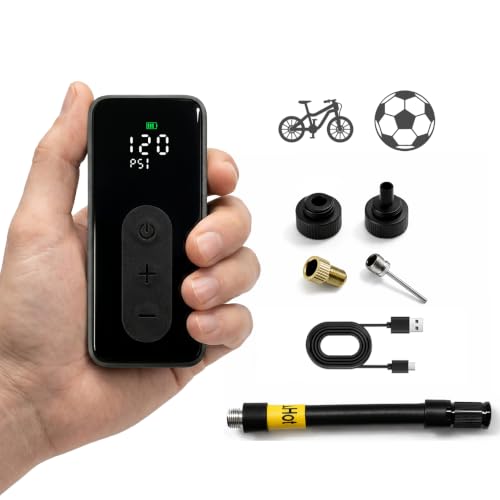
KOSTA Electric Bike Pump 120PSI Mini Portable

ETENWOLF S0 Mini Bike Pump 150PSI with Gauge

AstroAI Bike Pump 12s Fast Inflate Bicycle Pump

AIRBANK Mini Bike Pump POCKET SE 100 PSI

CYCPLUS Tiny Electric Bike Pump AS2Pro 120g
Why These Options Stand Out
A frame-mounted manual pump suits riders who want no battery to charge and no electronics to fail on the road. You get 120 PSI of pressure for road tires, plus a smart valve head that fits both Presta and Schrader without swapping adapters. That dual fit matters on mixed households where one bike uses Presta and another uses Schrader.
The included bracket keeps the pump on the frame during a ride, which beats digging through a bag at the roadside. A ball needle also covers basketballs and pool floats, so the same pump earns space in a garage. For riders who top up weekly, manual pumping from a low tire takes more effort than an electric model, and that trade-off is the main decision here.
Useful Touches
- 120 PSI ceiling covers high-pressure road tires
- Smart valve head fits Presta and Schrader
- Frame bracket keeps pump attached while riding
- Ball needle adds use for sports balls
Things To Consider
- Manual pumping takes longer than electric options
- Frame mounting needs compatible frame bosses
At 139 grams and 22.5 by 4.3 centimeters, this aluminum alloy pump is built for riders who carry gear in a top tube bag or backpack. Unlike the BV frame pump, the hidden TPU hose pulls out for a steadier connection at the valve, then tucks away for storage. That hose helps on bikes where a direct head feels awkward to reach.
Pressure tops out at 100 PSI, which suits daily inflation and lighter loads rather than the highest road pressures. Dual valve support covers Presta and Schrader, and a needle extends use to balls and inflatables. For commuters who ride short distances, the lighter weight and bracket mounting make this an easy carry.
Benefits That Matter
- 139 gram weight keeps carry effort low
- Extendable TPU hose eases valve access
- Frame bracket included for mounting
- Needle covers balls and inflatables
- Presta and Schrader support included
Worth Noting
- 100 PSI ceiling sits below 120 PSI models
- Manual pumping effort remains on longer top-ups
Who It Suits Best
Commuters and casual riders who want a light manual pump for daily top-ups.
Where Another Pick Suits Better
KOSTA Electric Bike Pump 120PSI Mini Portable suits riders who want automatic shut-off and a digital display.
Electric inflation changes the roadside routine, and this model adds a digital gauge with settings from 2 to 120 PSI. You set a target, press start, and automatic shut-off stops at that number, which helps riders who overinflate by feel. The brushless motor and flexible hose also suit road, mountain, e-bike, city, and fat tire bikes.
Size is a clear strength at 52.7 by 30.5 by 72.5 millimeters and 143 grams, so it slips into a pocket or saddlebag. A 500 mAh rechargeable battery handles a 700x23C tire from flat to 100 PSI about two to three times per charge. For riders who ride daily, that battery routine needs planning, and that is the honest trade-off against manual pumps.
Noteworthy Benefits
- Digital display shows pressure in real time
- Automatic shut-off stops at preset pressure
- 143 gram size fits pocket or saddlebag
- Rechargeable battery removes manual pumping
Trade Offs
- Battery needs recharging between longer ride stretches
- Plastic body differs from aluminum shell options
- Calibration step adds a setup detail
Speed is the headline here, with up to 150 PSI and an 18 L/min airflow rate for fast top-ups. A 700x23C tire in the 80 to 100 PSI range inflates in about 20 seconds, and a full road tire from flat to 100 PSI takes under one minute. That pace suits riders who lose patience with manual pumping on longer rides.
The built-in 2400 mAh battery is larger than the KOSTA unit, with capacity listed for up to eight fully flat tires or eighteen low-pressure tires per charge. An LED gauge reads in real time with plus or minus 1 PSI precision, and memory recall keeps the last setting. At 0.54 pounds, it remains palm-sized, though the Presta adapter is a separate piece to attach.
What Stands Out
- 150 PSI ceiling exceeds most mini pumps
- 2400 mAh battery supports many inflations
- LED gauge with 1 PSI precision
- Memory function recalls last pressure setting
- 360 degree hose eases valve connection
Minor Gripes
- Presta adapter must be attached separately
- Larger battery adds weight over pocket models
This option bridges car and bike use, with five preset modes for cars, motorcycles, bicycles, basketballs, and custom settings. A 195/65 R15 car tire moves from 30 to 36 PSI in about 70 seconds, which shows the focus on quick car top-ups as much as cycling. The 360 degree revolving hose helps reach awkward valve angles without moving the vehicle.
Dimensions of 3.9 by 2.6 by 1.8 inches and weight under one pound at 447 grams make it a glovebox or backpack item. Auto shut-off stops at the preset value, and a three-mode flashlight covers strobe, flashlight, and SOS needs in dim areas. For households with both a car and bikes, that shared role is the main appeal.
Where It Helps
- Five preset modes cover car and bike use
- Auto shut-off prevents over-inflation
- Flashlight modes help in low light
- Revolving hose reaches awkward angles
Points To Note
- 447 gram weight exceeds pocket bike pumps
- Car-focused sizing takes more storage space
- 12 second claim applies to specific tire sizes
Made For
Drivers who cycle and want one inflator for car tires and bike tires.
Consider Something Else When
AIRBANK Mini Bike Pump POCKET SE 100 PSI suits riders who want the lightest pocket carry for road bikes.
Weight drops to 93 grams here, which is lighter than every other electric option in this list. That matters on road rides where each gram counts and storage is a jersey pocket. Maximum pressure is 100 PSI with 12 L/min airflow, aimed squarely at road bikes rather than mountain bikes.
Charging takes about 20 minutes through USB-C, so a quick charge fits into packing time before a ride. Schrader and Presta compatibility covers shared use with cycling partners. The trade-off is clear, since there is no pressure gauge, so inflation relies on time and feel rather than a digital reading.
Notable Upsides
- 93 gram weight is the lightest here
- USB-C charging completes in about 20 minutes
- Pocket and saddlebag size for road rides
- Presta and Schrader valve support
Small Caveats
- No pressure gauge for precise readings
- 100 PSI ceiling suits road bikes mainly
- Extension hose not included for TPU tubes
An aluminum alloy shell sets this apart from plastic electric pumps, with dimensions of 2.75 by 1.10 by 1.92 inches and weight of 120 grams. Single-handed use is part of the design, which helps on a touring stop where balance and space are tight. Maximum pressure reaches 120 PSI, covering road, mountain, city, and e-bike use.
Inflation timing is strong, with a 700x25C tire reaching 80 PSI in 52 seconds and a road tire reaching 120 PSI in 120 seconds. An LED screen shows preset and real-time pressure with plus or minus 1 PSI accuracy, and auto shut-off stops at the target. Charging takes 30 minutes, and one charge inflates at least two 700x25C tires from flat to 110 PSI.
Everyday Perks
- Aluminum alloy shell for a sturdy feel
- 120 gram weight with pocket dimensions
- LED gauge with auto shut-off
- Extra hose helps with awkward valve angles
Areas To Watch
- 30 minute charge is slower than 20 minute option
- Two full inflations per charge limits long trips
What Matters Most Before Choosing a Mini Bike Pump
Pressure Needs By Tire Type
Road tires often need 80 to 120 PSI, while mountain and city tires sit lower. A 100 PSI pump covers many daily rides, and a 120 or 150 PSI model adds headroom for high-pressure road setups. Check the sidewall range on the tire first, then match the pump ceiling to that range.
Manual Versus Electric Effort
Manual pumps never need charging and stay simple on the road, but topping up from flat takes arm effort. Electric pumps add a gauge, auto shut-off, and speed, yet battery capacity limits how many flat tires one charge can handle. Riders who ride daily often value the electric routine, while occasional riders may prefer manual simplicity.
Size, Weight, and Storage
Pocket pumps under 150 grams disappear in a jersey pocket, while car-capable inflators near 450 grams need a bag or glovebox. Frame brackets suit bikes with mounting points, and hose length affects how easily the valve connects. Measure the storage space available before choosing.
Valve Fit and Extras
Presta valves are common on road bikes and Schrader valves on many hybrids and cars, so dual support saves adapter hassle. Ball needles, flashlights, and preset modes add household value beyond cycling. Those extras matter more for shared garages than for a single-bike setup.
Key Considerations Across These Picks
Common Shopping Slip Ups
Many shoppers chase the highest PSI number and ignore valve fit, hose reach, and storage size. A pump that cannot connect cleanly to the valve or fit in the available bag will stay home. Checking tire pressure range and valve type first prevents that mismatch.
What The Higher Tier Buys
Higher tier models add larger batteries, digital gauges, auto shut-off, and faster airflow. Those features save time on repeated top-ups and help hit a target pressure more closely. The upgrade pays off for frequent riders, while occasional riders get enough from a manual pump.
Frequently Asked Questions
Which pressure range suits a road bike?
Road bikes commonly need 80 to 120 PSI, so a pump rated at 120 PSI covers most setups. Models rated at 100 PSI suit lower road pressures and daily top-ups.
Can one pump handle Presta and Schrader valves?
Many models in this list support both valve types through a smart head or included adapters. Checking the valve list on the product page confirms fit for a specific bike.
How long does electric inflation take?
Timing depends on tire size and starting pressure, with several models inflating a road tire from flat to 100 PSI in about one minute or less. Car tires take longer due to larger volume.
What battery capacity matters for electric pumps?
Capacity determines how many flat tires one charge can handle, ranging from two to three road tires on smaller units to eight on larger units. Riders on long trips should check that number against planned stops.
Can these pumps inflate balls and car tires?
Some include a ball needle for basketballs and inflatables, while the AstroAI model adds car presets for passenger tires. Bike-only pumps should not be assumed to suit car tires.
Final Verdict
For road riders who want speed and a gauge, the ETENWOLF S0 stands out on pressure and battery size. For the lightest pocket carry, the AIRBANK POCKET SE is hard to beat at 93 grams. Manual riders still get solid value from the BV model, and you can match the final choice to storage space and valve type.