
A helmet that shifts mid-ride or traps heat on a warm climb quickly becomes a distraction. Road riding demands a close, stable fit, steady airflow, and a shell that feels light after an hour in the saddle. You need a clear match between head size, dial range, and vent design before committing to a shape. The seven options below separate on those practical points, from commuter-friendly sets to MIPS-equipped road models.
The Picks In Brief
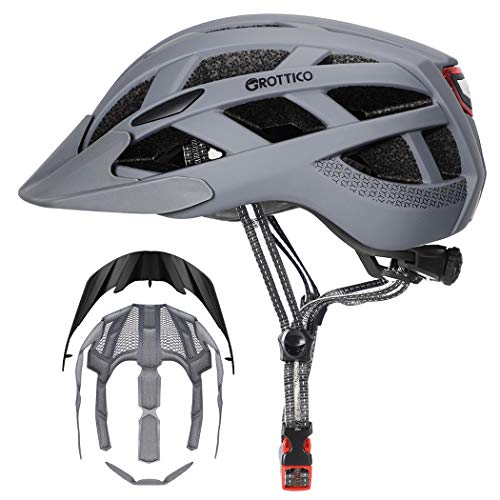
GROTTICO Adult Bike Helmet with Light and Visor

SMITH Signal Cycling Helmet White Large MIPS

Giro Isode MIPS II Cycling Helmet Matte White

Schwinn Thrasher Helmet for Adults 58-62 cm

Odoland Adult Bike Helmet with Cycling Sunglasses Set

Giro Fixture MIPS Bike Helmet Matte Black/Grey
More On The Choices That Made The List
Evening commutes get a clear boost here, thanks to a USB-rechargeable rear light built into the shell. Three modes, steady, flash, and wave, let the light pattern match road conditions without a separate clip-on lamp. The polycarbonate shell is fused to an EPS foam liner, EPS meaning expanded polystyrene, the impact-absorbing layer inside most helmets.
Ventilation comes from 23 vents, a higher count than the SMITH Signal at 21, and two visor colours plus a spare set of pads are included. At 300 grams, the weight sits in a sensible range for a light-equipped model. Sizing runs M at 55-58 cm and L at 59-61 cm, so measuring first matters more than usual.
Good Reasons To Consider
- Integrated light removes need for a separate rear lamp
- Spare pads keep rotation fresh between rides
- Two visor colours suit sun and overcast conditions
- 23 vents support airflow on warm road routes
- Dial fit covers two distinct head-size bands
Things To Consider
- Light charging adds a small routine task before night rides
- Size bands are narrow, so circumference must be checked closely
Road riders who wear glasses get a specific advantage here, because the AirEvac system is shaped to work with SMITH eyewear and reduce fogging. Zonal Koroyd coverage, meaning energy-absorbing tubes placed in selected zones, pairs with MIPS, a low-friction layer that allows slight head movement during angled impacts. Compliance covers U.S. CPSC, CE EN 1078, and AS/NZS 2063 standards.
VaporFit adjustment turns through 270 degrees, giving fine control over tension around the head. Twenty-one fixed vents keep airflow consistent on climbs, though the count trails the GROTTICO by two. In our view, the eyewear integration matters more than the raw vent number for commuters who ride in cool morning air.
Positive Points
- AirEvac channel helps keep eyewear clearer
- 270-degree dial allows precise tension tuning
- Koroyd zones balance absorption with ventilation
- MIPS layer addresses angled-impact rotation
Worth Noting
- Large sizing in this listing narrows the fit range
- AirEvac benefit depends on compatible eyewear shape
- White shell shows road grime more readily
A compact road shape borrowed from higher-end Giro models makes this a natural first MIPS helmet. MIPS Evolve Core combines the slip plane with the fit system, aiming to reduce rotational forces in certain impacts. In-mold construction fuses the polycarbonate shell to the foam liner, keeping bulk down while allowing larger vent channels.
The Roc Loc Sport dial gives 7 cm of adjustment with one-hand operation, and deep internal channeling directs air across the scalp. That channeling is the practical difference against the Schwinn Thrasher, which relies on 20 vents without internal routing. Ponytail compatibility adds a small but real benefit for longer hair under the rear dial.
Benefits That Matter
- 7 cm dial range simplifies first-time fitting
- Internal channeling supports cooling on climbs
- Compact shape suits road rather than trail use
- MIPS Evolve Core adds angled-impact protection layer
Trade Offs
- No integrated light, unlike the GROTTICO option
- Universal sizing still needs a circumference check
Who It Suits Best
New road riders who want MIPS protection without complex sizing steps.
Where Another Pick Suits Better
Giro Agilis MIPS suits riders who want finer fore-aft tilt adjustment than Roc Loc Sport provides.
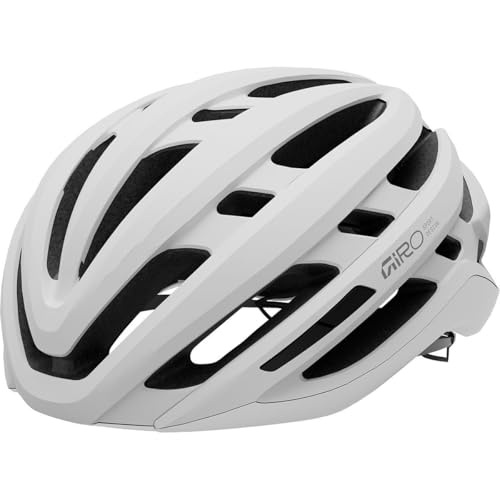
Long rides benefit most from the Roc Loc 5 system, which adjusts both tension and fore-aft tilt with a single hand. That tilt control changes how the helmet sits on the brow, a detail the Isode MIPS II dial does not offer. Integrated MIPS works with the fit system rather than sitting as a separate pad.
Wind Tunnel ventilation pairs shell vents with internal exhaust channels, pushing cool air over the head and stale air out. A two-piece Hardbody shell extends inside and fuses to the EPS liner, adding durability without excess bulk. For most riders logging distance, that tilt adjustment alone justifies stepping up from Roc Loc Sport.
Key Advantages
- Roc Loc 5 tunes tension and tilt in seconds
- Wind Tunnel channels move air across the scalp
- Hardbody lower wrap adds shell durability
- Integrated MIPS aligns with the fit system
- Lighter fit hardware reduces rear-head pressure
Minor Gripes
- Fit tuning rewards patience during first setup
- No visor or light included in the listed details
Recreational fitness rides suit this microshell design, which keeps weight down while covering the head in full padding. The dial retention system plus adjustable side and chin straps cover a range of head shapes with a simple twist. Twenty vents handle airflow for shorter road loops and fitness routes.
Padding can be removed and washed, a practical point for riders who sweat through summer miles. A removable visor adds shade on open roads, though road-focused riders may prefer the visor-free profile of the Giro Isode MIPS II. Sizing is fixed at 58-62 cm for ages 14 and up, so larger heads fit while smaller heads should look elsewhere.
The Practical Payoff
- Washable padding helps manage sweat between rides
- Removable visor switches shade on or off
- Dial plus straps fine-tune fit for varied shapes
- Microshell keeps the profile light for fitness rides
Points To Note
- 58-62 cm range excludes smaller head sizes
- No MIPS layer in the listed construction
- Vent count trails the GROTTICO and SMITH options
City commuting gets simpler with a helmet and UV400 glasses bundled as one set. UV400 means the lenses block UVA and UVB rays up to 400 nanometres, useful on bright urban routes. The helmet fits head circumferences from 54-61 cm, a wider span than the Schwinn Thrasher band.
Multiple vents channel airflow over the head, and inner cushions are removable and washable. A removable brim lets the shape shift between mountain and road styling, though road riders may keep it off for a sleeker look. The set approach suits riders starting from scratch, since separate eyewear shopping disappears.
Useful Touches
- UV400 glasses included for glare on commutes
- 54-61 cm range covers many adult heads
- Washable inner cushions refresh between rides
- Removable brim adapts styling by route
Softer Spots
- Set value depends on whether bundled glasses fit well
- No MIPS layer listed in the construction
- Brim removal is a styling choice, not a safety feature
Made For
Urban commuters who want helmet and eye protection in one purchase.
Consider Something Else When
SMITH Signal Cycling Helmet White Large MIPS suits riders who prioritize MIPS and eyewear airflow integration over a bundled set.
Mixed road and trail use suits the revised Fixture silhouette, which keeps a classic shape while updating MIPS integration and cooling. The shell fuses directly to the foam liner, a construction that trims weight and opens airflow channels. Reflective rear decals return light from headlights, helping visibility in low-light traffic.
Universal sizing covers 54-61 cm, and the Roc Loc Sport dial offers 7 cm of adjustment with ponytail compatibility. Quick-dry padding helps after sweaty climbs, though the Agilis MIPS still holds the edge for tilt tuning. In our view, the Fixture balances road comfort with trail-ready styling for riders who switch surfaces.
What Pays Off
- Universal 54-61 cm sizing simplifies size choice
- Reflective decals aid low-light visibility
- Quick-dry padding refreshes after warm rides
- Integrated MIPS in a classic road shape
Small Caveats
- Roc Loc Sport lacks the tilt tuning of Roc Loc 5
- Reflective details work only under direct light
Fit, Airflow, and Protection: What Decides a Road Helmet
Head Measurement and Dial Range
Measure circumference just above the brow, then match the dial range before checking style. A dial that bottoms out at the end of its travel leaves no room for winter layers or a ponytail. Models here span 54-61 cm, 55-58 cm, and 58-62 cm bands, so the measurement step separates the list quickly.
Vent Layout for Warm Climbs
Vent count alone tells only part of the story, because internal channels shape how air crosses the scalp. The GROTTICO lists 23 vents, the SMITH Signal lists 21, and the Schwinn Thrasher lists 20, yet Giro models add channeling that can matter more than two extra openings. Riders who climb in summer heat should weigh channel design alongside the count.
MIPS and Shell Construction
MIPS adds a low-friction layer intended to allow slight movement during angled impacts. In-mold construction, where shell and foam fuse together, keeps helmets lighter and opens larger vent paths. Those two features explain much of the gap between basic recreational helmets and road-focused MIPS models.
Visors, Lights, and Bundles
A visor adds shade for touring and trail routes, while a built-in rear light helps on evening commutes. Bundled glasses, as with the Odoland set, remove a separate purchase for new riders. Each extra changes storage and charging routines, so the choice should match the routes ahead.
Key Considerations Across These Picks
Common Shopping Slip Ups
Skipping a circumference measurement leads to dials at their limit and straps that press the brow. Relying on vent count without checking channel design also misleads, since airflow path shapes cooling more than openings alone.
What The Higher Tier Buys
Higher-tier models add finer fit control, such as fore-aft tilt on Roc Loc 5, plus integrated MIPS and deeper channeling. That extra tuning pays off on long rides where small fit shifts become noticeable after an hour.
Frequently Asked Questions
How should head size be measured before ordering?
Measure circumference just above the brow with a soft tape, then compare the result with the listed size band. Dial range should leave travel in reserve rather than sitting at its end.
What does MIPS add to a road helmet?
MIPS is a low-friction layer inside the helmet that allows slight movement during angled impacts. It works alongside the foam liner rather than replacing it.
Are visors useful for road riding?
A visor adds shade on open roads and touring routes, while a visor-free shape suits fast road rides. Removable visors let the same helmet switch between those uses.
Which vent count matters most?
Channel design matters as much as the number of openings, because channels guide air across the scalp. A helmet with fewer vents but strong channeling can feel cooler on climbs.
Can a helmet suit both road and trail riding?
Universal sizing, reflective details, and a removable brim help a helmet cross between road and trail use. Road-focused riders still benefit from a compact shape and strong airflow.
Final Verdict
Match circumference first, then decide whether MIPS, tilt adjustment, or a built-in light matters most for the routes ahead. The Giro Fixture MIPS suits mixed riding, the Giro Agilis MIPS suits long road miles, and the GROTTICO suits evening commutes. That order keeps the choice grounded in fit and use.