
A long ride puts pressure in places a short spin never reveals. You feel that pressure first at the saddle, then in the legs as the hours add up. Your pad shape, leg grip, and strap layout decide whether mile eighty feels manageable or miserable. These seven options split by season, storage, and cut, so the right match depends on the kind of long day ahead.
An Overview Of The Picks

CEROTIPOLAR Men’s Cycling Bib Shorts 4D MaxCool Pad

qualidyne Men’s Thermal Cycling Bib Tights Fleece-Lined

Men Biking Bibs Shorts Bicycle Tights Padding US L

Przewalski Men’s Cycling Bib Shorts 4D Padded 2 Pockets

Bikewa Men’s Cycling Bibs 4D Padded Rear Zipper Pockets
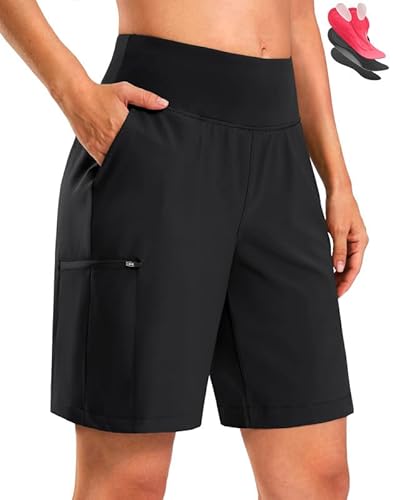
Bikewa Women’s Mountain Bike Shorts 4D Padded

Lo.gas Women’s 3/4 Cycling Bib Shorts Padded Black M
The Details Behind The Selections
Warm-weather endurance riders get a clear priority here: a pad built for eight-hour days rather than quick spins. You get the most from it on road and gravel days where steady airflow matters as much as cushioning. The high-rise compression panel also changes the feel compared with a low waistband, keeping the midsection supported without a separate belt.
The fabric blend is 80% polyester and 20% spandex, a mix that explains the stretch and moisture movement. An open-cell foam pad sits at the sit bones, and perforations in that pad let heat escape during long efforts. Italian Power Band leg openings hold position without the deep marks some silicone grippers leave, a small detail that matters after hour four.
What It Does Well
- UPF 50+ fabric adds sun coverage on longer leg panels
- Five pockets, including four cargo pockets and one rear pocket, carry ride essentials
- Power Band leg openings grip without silicone marks
- High compression extends above the waist for a smoother fit
- Perforated pad construction supports airflow on long rides
Things To Consider
- Cargo pockets add bulk under a tight jersey on fast road rides
- High compression suits riders who like a firm fit, not a relaxed one
Cold-weather riders need a different answer from the CEROTIPOLAR shorts above, and this fleece-lined tight fills that gap. Your winter commute or training loop benefits from full-leg coverage that shorts cannot provide. Mesh bib straps keep the upper body from overheating while the lower legs stay insulated.
Ankle zippers solve a practical problem with full-length tights: getting shoes on and off without a struggle. A contoured 3D chamois targets saddle contact areas for longer cold rides. Low-light details add visibility for early starts or late returns, though the exact placement should be checked against personal routes.
Where It Delivers
- Fleece lining retains warmth on winter rides
- Ankle zippers ease entry and exit over cycling shoes
- Mesh straps improve airflow across the torso
- Compression fit keeps the tights positioned while pedaling
Worth Noting
- Hand wash only, unlike machine-wash shorts in this list
- Full-length cut is seasonal, not a warm-weather option
- Grey colorway shows road grime more than black options
Who It Suits Best
Winter commuters and trainers who ride through cold months and need full-leg warmth.
Where Another Pick Suits Better
CEROTIPOLAR Men’s Cycling Bib Shorts 4D MaxCool Pad suits warm-season riders who want shorts and cargo storage.
First-time bib owners get a straightforward entry point here, with the core long-ride ideas present without extra cargo complexity. The nylon and spandex blend at 85% and 15% places different fabrics in different zones for compression, cooling, and airflow. Flat seams made with four needles and six threads reduce rubbing points across a long day.
An ergonomic gel pad uses high-density foam with silicone inserts and a perforated layer to manage humidity. You may find that perforation helps on rides approaching eight hours, where a solid pad can trap heat. Reflective leg logos support visibility after dark, a useful contrast with the Przewalski option that uses reflective strips instead.
Why It Works Well
- Perforated gel pad supports airflow during long rides
- Flat-seam construction reduces chafing points
- Leg grippers keep hems from shifting while pedaling
Trade Offs
- Hang dry only and mesh-bag washing add care steps
- Size chart needs careful checking before ordering
Road riders who carry a phone on every long outing get a focused design here. Your phone, keys, and cards fit in two side pockets sized for a 6.5-inch device, which keeps a jersey pocket free. Mesh across the back and stirrup bands move sweat outward, a different approach from the CEROTIPOLAR cargo layout.
The 4D anatomical pad uses a perforated layer to cut humidity compared with traditional solid pads. Reflective strips on both sides and silicone leg grippers address visibility and hem movement in one package. The fabric is 71% polyamide and 29% elastane, so stretch comes from the elastane portion while polyamide handles abrasion resistance.
Points In Its Favor
- Two side pockets hold a large phone securely
- Mesh back panel improves ventilation on warm climbs
- Reflective strips on both sides aid low-light visibility
- Silicone grippers keep leg hems in place
- Perforated 4D pad reduces humid buildup
Minor Gripes
- Only two pockets, so heavy carriers may want more storage
- Hand wash cold guidance differs from machine-wash options
- Size chart check is essential before ordering
Self-supported riders who skip a jersey bag get storage as the headline here. You can distribute gels, cards, keys, and a phone across five pockets instead of stacking everything in one place. Two leg pockets, two strap pockets, and one zippered pocket each serve a different access pattern during a ride.
The body fabric is 80% nylon and 20% spandex, with straps at 87% polyester and 13% spandex. That split helps the straps stay breathable while the main panels handle compression. A multi-layer 4D pad aims to reduce pressure on endurance efforts, and reflective details sit on the back for early or late riding.
Practical Advantages
- Five pockets spread essentials across legs and straps
- Zippered pocket secures cards and keys
- Mesh straps distribute pressure across shoulders
- 4-way stretch follows pedaling movement
Room For Improvement
- Five pockets can feel busy under a fitted jersey
- UPF 50+ claim applies to the listed design, check size availability
Made For
Endurance riders who carry phone, gels, and small tools across long self-supported routes.
Consider Something Else When
Przewalski Men’s Cycling Bib Shorts 4D Padded 2 Pockets suits riders who prefer a simpler two-pocket setup.
Trail riders who dislike the exposed look of a chamois get a 2-in-1 structure here. An outer short covers the padded liner, while the inner short handles saddle support for road, mountain, spinning, and commuting. That layering changes the feel from a traditional bib, trading some airflow for coverage off the bike.
Your storage sits in three pockets: one zippered thigh pocket plus two deep slant pockets. A wide elastic waistband and silicone leg grippers hold the fit without relying on bib straps. The fabric is 92% polyester and 8% spandex, so stretch is present but lighter than the spandex-heavy blends seen earlier in this list.
A Few Strong Suits
- Outer short discreetly covers the padded liner
- Zippered thigh pocket secures phone and cards
- Wide waistband supports midsection without digging
Points To Note
- Waistband design differs from bib straps, check fit preference
- Two-layer construction adds warmth on hot climbs
- Lower spandex share means less compression than bib options
Women riders who want more leg coverage than standard shorts get a capri-length cut here. You get a female-specific sponge cushion shaped around pelvic structure, which differs from the unisex-style pads in earlier picks. The 3/4 length also shifts the silhouette, a preference point rather than a performance claim.
The blend is 80% nylon and 20% spandex, with 4-way stretch in the mesh straps. Side mesh pockets plus a zipper pocket hold phone, keys, and cards, and reflective details support visibility. Anti-slip grippers keep the longer legs from rolling during pedaling, though capri length will feel warmer than short-leg options on hot days.
The Upside
- Female-specific pad follows pelvic structure
- Capri length adds coverage and shaping
- Mesh side pockets plus zipper pocket for essentials
- Reflective details aid low-light visibility
Softer Spots
- Capri cut runs warmer than standard short legs
- Style preference matters, since length changes the look
What Matters Most Before Choosing Long Distance Bib Shorts
Pad Shape And Saddle Time
Pad width and density decide comfort after hour three. You should match pad style to saddle width and riding position, since a pad built for an upright position can bunch on a road bike. Perforated layers help riders who overheat, while denser foam suits riders who prefer firm support.
Leg Grip And Strap Pressure
Leg grippers need to hold without leaving deep marks, and strap width spreads pressure across shoulders. Your fit check should include standing, pedaling motion, and a short seated test at home. Silicone, Power Band, and elastic grippers each feel different, so texture matters as much as hold.
Storage And Season
Pocket count changes how a jersey feels during a ride. Riders carrying a phone and gels benefit from side or cargo pockets, while minimalists prefer two pockets or none. Season matters too: fleece tights handle winter, capri cuts add coverage, and short bibs suit warm months.
Care And Sizing
Care instructions affect pad life, with hand wash, hang dry, and mesh bags appearing across this list. Size charts differ by brand, so waist, hip, and inseam measurements should be compared before ordering. A careful check at this stage prevents returns later.
Key Considerations Across These Picks
Common Shopping Slip Ups
Ordering by size alone causes most fit problems. Check the size chart against actual measurements, and confirm whether a design uses bib straps or a waistband. That one check saves a return and a lost training week.
When Paying More Pays Off
Higher-tier options in this list add storage, sun coverage, or seasonal warmth rather than a different pad alone. The upgrade pays off for century riders, winter trainers, and self-supported routes. For a first pair, a simpler design often covers the basics well.
Frequently Asked Questions
How long should a long-distance pad last during a ride?
Most pads in this list are positioned for rides up to eight hours. Your saddle fit and riding position affect comfort as much as pad thickness.
Are bib straps better than a waistband for long rides?
Bib straps spread pressure across shoulders and keep the waistband from rolling. A wide waistband, such as on the Bikewa women’s option, suits riders who prefer that feel.
How many pockets do long-distance bib shorts need?
Two pockets cover a phone and cards for many riders. Five pockets, such as on the Bikewa men’s option, suit riders carrying gels and tools without a bag.
Can fleece bib tights work for summer rides?
Fleece-lined tights suit cold weather, not summer heat. Short bibs with mesh panels suit warm months better.
What should be checked before ordering a size?
Compare waist, hip, and inseam measurements with the brand size chart. Confirm care instructions, since hand wash and hang dry differ across options.
Final Verdict
For warm centuries, the CEROTIPOLAR option leads with its pad and storage. For winter training, the qualidyne tights answer a different need. Your best match comes down to season, storage habits, and whether bib straps or a waistband feel better on long days.