
A first pedal bike needs to match height, braking confidence, and the surfaces a child will actually ride on. Toddlers learning balance need a different frame and wheel setup from older children ready for gears and trails. Height matters more than age, since inseam and reach change how comfortably a child can steer and stop. The models below cover balance bikes, tricycles, and pedal bikes for a wide height range.
The Choices Worth Comparing

WEIZE 16 Inch Kids Bike for Boys Black

WEIZE 14 Inch Kids Bike for Boys Black

WEIZE 20 Inch Kid Mountain Bike Purple
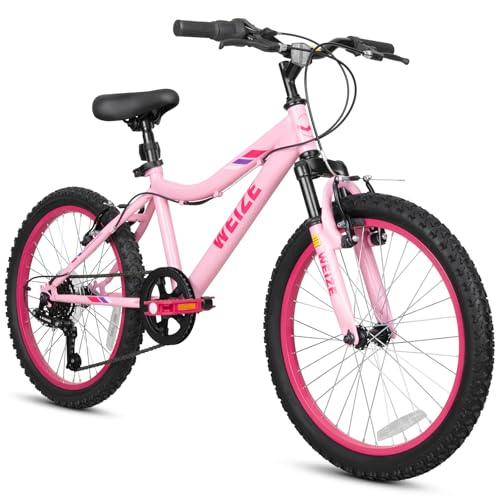
WEIZE 20 24 inch Mountain Bike for Teen Girl

SEREED Toddler Balance Bike Adjustable

JMMD 6 in 1 Toddler Bike with Push Handle

Umatoll Tricycle for Toddlers 2-5 Year Old
Meet The Standout Selections
Height is the deciding factor here, and this 16-inch model fits riders from 38 to 48 inches tall. A child in that range gets a bike that feels manageable on a driveway or quiet street, with training wheels included for early practice. For most backyards, that combination keeps first rides calm rather than overwhelming.
Dual braking gives two stopping methods, a handlebar lever sized for smaller hands and pedaling backward for a coaster brake. A 5-inch seat adjustment range, handled without tools, helps the fit keep pace with growth. Wide 2.125-inch tires soften small bumps on paved paths, and a fully enclosed chain guard keeps clothing away from the chain.
Everyday Perks
- Two brake types support different stopping habits
- Seat adjusts 5 inches without tools
- Wide tires cushion paved-path bumps
- Training wheels included for practice
- Enclosed chain guard reduces chain contact
Things To Consider
- Single-speed design suits flat paved routes
- Assembly tools are not included
Smaller riders get a step down from the 16-inch WEIZE model, with sizing for 35.4 to 41.3 inches tall. That narrower range makes steering and reaching the ground easier for ages 3 to 5. A compact frame also stores more easily in a garage corner.
The same hand and coaster brake pairing appears here, with a lever sized for small hands. Seat height adjusts 3 inches without tools, and the handlebar adjusts as well. On longer park loops, the 2.125-inch tires help smooth out cracks and seams in pavement.
Practical Advantages
- 14-inch wheels suit shorter riders
- Hand brake lever fits smaller hands
- Seat adjusts 3 inches without tools
- Training wheels included for support
Worth Noting
- Growth window is narrower than the 16-inch model
- Rigid fork offers less bump absorption
- Remaining assembly needs a check before riding
Who It Suits Best
Shorter riders aged 3 to 5 learning pedaling and steering on paved streets benefit most.
Where Another Pick Suits Better
WEIZE 16 Inch Kids Bike for Boys Black suits taller riders who have outgrown the 14-inch fit.
Older riders ready for gears get a clear step up from single-speed models. This 20-inch bike targets ages 6 to 11 and riders 46 to 57 inches tall, with six speeds for hills and varied terrain. A front suspension fork helps absorb bumps on park paths and recreational trails.
Front and rear caliper brakes handle stopping, with extra care needed in wet conditions. Seat height adjusts from 25 to 30 inches to follow growth. The bike arrives 85% pre-assembled, and remaining setup takes about 20 minutes with the included guidance.
Well-Handled Touches
- Six speeds handle hills and mixed routes
- Front suspension softens trail bumps
- Seat adjusts across a 5-inch range
- Front and rear brakes add stopping control
- Most assembly completed before delivery
Trade Offs
- Braking needs more distance in wet conditions
- Steel frame adds weight on longer rides
Families comparing the purple 20-inch model will notice a similar trail setup here, offered in 20-inch and 24-inch sizes. The 20-inch version suits ages 6 to 11, while the 24-inch version suits ages 8 to 14 and taller riders. Size choice here depends on height first.
High-carbon steel construction and a front suspension fork support rougher paths, with front and rear caliper brakes for control. Seat height adjusts from 63 to 71 cm on the 20-inch model and 69 to 84 cm on the 24-inch model. In a small garage, the larger 24-inch frame needs more storage length.
Standout Benefits
- Two sizes cover a wider growth span
- Front suspension helps on bumpy terrain
- Adjustable saddle follows growth stages
- Steel frame resists impact from rough use
Minor Gripes
- 24-inch frame takes more storage space
- Wet and steep routes need gradual braking
- Setup still requires about 20 minutes
Made For
Older girls on neighborhood streets and recreational trails who need an adjustable, sturdy frame benefit most.
Consider Something Else When
WEIZE 20 Inch Kid Mountain Bike Purple suits riders who prefer its specific sizing and color option.
Pedal-free riding lets a toddler focus on balance and steering before pedals enter the picture. This model starts at a 12.6-inch seat height and weighs 7.8 pounds, so a small child can push and pull it independently. For most driveways, that light weight makes short practice sessions easier to start.
Seat height adjusts from 12.6 to 17.1 inches and handlebar height from 19.6 to 22.5 inches without tools. EVA foam tires are airless, so flats are not a concern on indoor or outdoor gliding. A carbon steel frame supports up to 110 pounds, with rubber grips and a footrest pad included.
Where It Helps
- Pedal-free design builds balance early
- Light frame helps toddlers move independently
- Seat and handlebar adjust without tools
- Airless tires avoid flat tires
- Compact size fits car trunks for outings
Room For Improvement
- No pedals, so it is not a first pedal bike
- Small wheels suit smooth, short routes
One frame changes across stages from parent-push trike to tricycle, balance bike, and toddler bike. That span covers ages 18 to 60 months, which can simplify planning for a growing toddler. A parent push handle rotates 135 degrees to guide speed and direction.
Aluminum alloy construction and 12-inch puncture-proof rubber wheels support varied surfaces. A hand brake, 60-degree steering limiter, training wheels, and kickstand add control during transitions. The frame folds with one press of a red button under the frame, and setup arrives 95% pre-assembled.
Points In Its Favor
- Six configurations cover early years
- Push handle helps guide early rides
- Chain-free gear system reduces chain contact
- Folding design helps storage and transport
- Steering limiter prevents sudden turns
- Seat and handlebar adjust for growth
Points To Note
- Multiple modes need reconfiguration between stages
- 12-inch wheels limit longer pedal routes
Three wheels and a wide wheelbase give toddlers a stable base for learning pedaling. Extended rear wheels help prevent tipping during early rides in a yard or on a sidewalk. A 2-position adjustable seat covers ages 2 to 5 as pedaling skills develop.
Carbon steel construction with reinforced screws supports everyday use. Removable front and rear baskets let a child carry toys during rides. Rear wheels light up with each turn, adding visual fun without batteries.
Noteworthy Benefits
- Wide wheelbase improves stability
- Seat adjusts across two positions
- Dual removable baskets add carrying space
- Light-up rear wheels add ride fun
Softer Spots
- Tricycle format suits younger riders only
- Wide rear wheels need more storage width
What Matters Most Before Choosing Kids Bicycles
Height and Wheel Size
Measure height and inseam before selecting a wheel size, since age ranges overlap across models. A child who can reach the ground confidently will steer and stop with more control. Seat adjustment range shows how long the fit can last during a growth spurt.
Braking and Balance Stage
Coaster brakes suit children who pedal backward naturally, while hand brakes build finger strength for later riding. Balance bikes remove pedals during the balance stage, and tricycles add stability for the youngest riders. Matching the braking type to skill level prevents frustration on first rides.
Terrain and Storage
Paved streets need different tires and suspension than park paths or light trails. Wide tires and a front fork help on uneven pavement, while rigid forks keep lighter bikes simple. Frame length and folding features affect storage in a garage, hallway, or car trunk.
Key Considerations Across These Picks
Common Shopping Slip Ups
Age labels cause many mismatches, since height ranges differ between brands and wheel sizes. Checking seat height and handlebar reach against a child’s measurements avoids a bike that feels too large. Skipping the brake type check also leads to a harder learning curve.
What The Higher Tier Buys
Higher-tier models add gears, suspension, and adjustable components that support longer routes and rougher surfaces. Those additions help older riders on hills and trails, while younger riders gain little from extra complexity. Paying more makes sense when terrain and skill level call for those features.
Frequently Asked Questions
What size kids bike fits a 4-year-old?
Height determines the fit more than age, and many 4-year-olds fall in the 14-inch or 16-inch range. Checking the stated height range for each model gives a clearer answer than age alone.
Are training wheels helpful for beginners?
Training wheels add support during early pedaling and steering practice. They work best as a short-term aid while balance skills develop on smooth, quiet routes.
When does a balance bike make sense?
A balance bike suits toddlers who are not yet ready for pedals and need to learn steering first. Seat height adjustment helps the bike last through that early stage.
How many speeds does an older child need?
Six speeds help on hills, headwinds, and longer park routes. Single-speed models remain simpler for flat neighborhood riding.
What should be checked before the first ride?
Brakes, seat height, handlebar position, and fasteners should be checked after assembly. You should also confirm that feet can reach the ground for stopping.
Closing Remarks
Match height first, then braking type, then terrain. Toddlers benefit from balance or trike designs, while older riders gain from gears and suspension. A well-fitted bike makes practice calmer and more enjoyable for the whole family.