
Men riding a mix of paved streets and park paths need a frame size and gear range that match height and terrain. A hybrid layout pairs larger road wheels with an upright position, which helps on longer commutes without demanding a full road-bike posture. Frame material, brake type, and wheel diameter change how the bike feels on hills and in traffic. You can narrow the list by matching rider height to the stated range and by checking whether suspension or a rigid fork suits the planned routes.
Gear count matters less than usable range for daily riding. A wide range helps on climbs, while fewer gears keep shifting simpler on flat routes. You should also confirm storage space for a 700C wheel before ordering.
The Choices Worth Comparing

WEIZE 26 Inch Mountain Bike 18-Speed Dual Suspension

DEYGIA Hybrid Bike 24-Speed 700C Dual Disc Brakes Size M

AVASTA 19 Inch Frame Hybrid Bike 21-Speed Gray
AVASTA 17 Inch Frame Hybrid Bike 21-Speed Gray

EOYOBIKE Hybrid Bike 29 Inch Commuter Granite Smoke Large
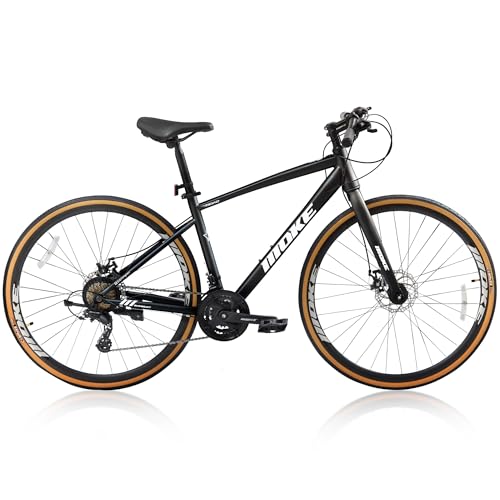
DEYGIA Hybrid Bike 24-Speed 700C Dual Disc Brakes Size S

VIRIBUS Hybrid Bike 28 Inch 7 Speed Aluminum Frame
A Deeper Look At The Lineup
Trail-focused riding stands apart from the city commuters that follow, and this model leans toward rough paths. You get a high-carbon steel frame with a front fork and rear coil shock, a setup meant to soften bumps on uneven ground. The 26-inch wheels and 2.13-inch width suit riders from 5’2″ to 6’2″, with a stated maximum of 275 pounds.
Twist shifters and front and rear derailleurs give 18 speeds for climbs and flatter stretches. Linear pull brakes at both wheels provide direct stopping control, and the seat adjusts for height. The trade-off shows up on paved commutes, where wider tires and suspension add effort compared with a rigid 700C hybrid.
Notable Gains
- Dual suspension smooths bumps on park trails
- 18 speeds cover hills and flat paths
- Adjustable seat fits a wide height range
- 85% pre-assembled build shortens setup time
Things To Consider
- Steel frame adds weight for carrying upstairs
- V-brakes need more upkeep in wet grit
City commuting shapes every choice here, from the upright position to the internal wiring that keeps the frame lines clean. A carbon steel frame in Size M, 52 cm, targets riders from 5’7″ to 6’1″. The 700C wheels with 700 x 32C tires roll with less resistance on paved roads than the 26-inch setup on the WEIZE model.
Trigger shifters control a 3 x 8 drivetrain, meaning three chainrings at the front and eight at the rear for 24 speeds. Dual disc brakes act at both wheels, and the adjustable saddle supports a stable upright posture. Assembly is listed at 90% pre-assembled, with tools and instructions included for a 25 to 30 minute setup.
Why It Works Well
- 24 speeds handle hills and fast descents
- 700C wheels reduce rolling effort on pavement
- Dual disc brakes give sensitive stopping response
- Internal wiring keeps the frame visually simple
- Adjustable saddle supports longer commutes
Worth Noting
- Size M suits taller riders, check height range
- Rigid fork transmits more road vibration
Who It Suits Best
Daily commuters in the 5’7″ to 6’1″ range who ride mostly paved roads and park paths.
Where Another Pick Suits Better
AVASTA 19 Inch Frame Hybrid Bike 21-Speed Gray suits riders who prefer a lighter aluminum frame.
A step-over aluminum frame changes the feel compared with the steel models earlier in the list. Weight drops, which matters on stairs and during short carries to a rack. The 19-inch frame pairs with 700C wheels for paved roads, gravel, and light trail use.
Shimano EF500 Easyfire shifters manage 21 speeds, a system designed for clear lever action. You can add a bottle holder, mudguards, or a rear rack through multiple mounting points. Adjustable saddle and handlebars let the position shift between commuting and leisure riding, and the pearl finish adds scratch resistance.
Notable Upsides
- Aluminum frame keeps carrying easier
- 21 speeds with Shimano EF500 shifting
- Mounting points support racks and mudguards
- Adjustable saddle and handlebars refine fit
Trade Offs
- Rigid fork offers less bump absorption
- 19-inch frame may feel large for shorter riders
The smaller frame is the main distinction from the 19-inch AVASTA model, and that changes fit more than anything else. A 17-inch step-over frame in aluminum alloy suits riders who found the larger size too tall. The same 700C wheels and 21-speed Shimano EF500 system carry over, so the ride character stays familiar.
Dual disc brakes, adjustable saddle and handlebars, and multiple mounting points appear here as well. That shared spec list makes the choice mostly about proportions and storage. A smaller frame can ease mounting in traffic and fit tighter storage corners, while still keeping the upright hybrid posture.
The Value In It
- 17-inch frame fits shorter riders better
- Aluminum frame reduces carrying effort
- Mounting points allow racks and mudguards
Points To Note
- Confirm frame size against rider height first
- Rigid fork suits pavement over rough trails
- Quick-release seat needs a firm check before riding
Made For
Shorter riders who want the AVASTA aluminum layout in a more compact frame.
Consider Something Else When
EOYOBIKE Hybrid Bike 29 Inch Commuter Granite Smoke Large suits taller riders seeking a larger frame.
Weight shapes the case for this commuter, with a listed 29.5 pounds for the aluminum frame. Carrying a bike up apartment stairs or onto a transit rack feels different at that weight than with a steel frame. The Large frame, 19 inches or 483 mm, targets riders from 5’8″ to 6’0″.
An 8-speed system and rigid fork keep the drivetrain simple for flat urban routes and bridges. You can adjust saddle height quickly through a quick-release clamp, and the 285 x 170 mm saddle supports an upright posture. Front and rear mechanical disc brakes handle stops in rain, and setup is listed at 85% pre-assembled in about 20 minutes.
What Pays Off
- 29.5-pound weight eases stairs and racks
- 700C wheels roll efficiently on pavement
- Quick-release seat clamp speeds height changes
- Mechanical disc brakes work in wet conditions
- 85% pre-assembled build cuts setup time
Small Caveats
- 8 speeds offer less range for steep climbs
- Large frame suits 5’8″ to 6’0″ riders mainly
Size S brings the DEYGIA commuter layout to shorter riders, with a 50 cm frame for heights from 5’1″ to 5’7″. That sizing difference separates this version from the Size M model earlier in the list. The carbon steel frame, internal wiring, and 700C wheels remain the core design.
A 3 x 8 drivetrain gives 24 speeds through trigger shifters, and dual disc brakes cover front and rear. The 700 x 32C tires suit flat roads and gravel paths, while the adjustable saddle supports an upright position. Assembly is listed at 90% pre-assembled, with instructions and tools included.
Bright Spots
- Size S fits riders from 5’1″ to 5’7″
- 24 speeds cover climbs and descents
- Internal wiring keeps frame lines clean
- Dual disc brakes improve stopping response
Honest Caveats
- Steel frame is heavier than aluminum options
- Size S limits fit for taller riders
Simplicity defines this entry, with a 7-speed derailleur and thumb shifter for straightforward gear changes. A lightweight aluminum alloy frame carries a stated limit of 330 pounds, which gives newer riders more headroom on load. The 28-inch size with 700C wheels keeps the hybrid stance for city and leisure riding.
You can ride with a cushioned seat and IPX4 front and rear lights for low-light commutes. Dual disc brakes with aluminum alloy pads provide stopping power across weather conditions. Assembly is listed at over 85% complete, which shortens the path from box to first ride.
A Few Strong Suits
- 7 speeds keep shifting simple for beginners
- Aluminum frame resists corrosion
- Cushioned seat supports leisure rides
- Front and rear lights aid visibility
- Dual disc brakes suit varied weather
Points To Keep In Mind
- 7 speeds offer less range for steep hills
- Check storage length for 700C wheels
What Matters Most Before Choosing Hybrid Mens Bike
Frame Size and Rider Height
Frame size changes reach, saddle height, and mounting ease. A 17-inch frame and a 19-inch frame can feel quite different for the same rider. Height ranges in the listings give a starting point, and saddle adjustment covers only part of the fit.
Wheel Diameter and Tire Width
700C wheels roll efficiently on pavement and suit longer commutes. A 26-inch wheel with wider tires handles uneven paths with more control. Tire width affects comfort and effort, so the planned surface should guide the choice.
Gears, Brakes, and Weight
Gear range matters on hills, while brake type affects stopping feel in rain and traffic. Aluminum frames reduce carrying effort compared with steel, which matters for stairs and transit racks. You can weigh those three factors together against the typical route.
Suspension and Mounting Options
Dual suspension softens bumps on trails, while a rigid fork transfers power directly on roads. Mounting points for racks, mudguards, and bottle holders add daily utility. Those details decide whether a hybrid stays a leisure bike or becomes a regular commuter.
Key Considerations Across These Picks
Common Shopping Slip Ups
A frequent slip is ordering by gear count alone and skipping the height range. Another is overlooking storage length for a 700C wheel in a small hallway. Checking both fit and space before ordering avoids a return.
What The Higher Tier Buys
Higher-tier hybrids often pair aluminum frames with wider gear ranges and disc brakes at both wheels. That combination reduces carrying effort and improves control on hills and in rain. The upgrade pays off for daily riders covering longer distances.
Frequently Asked Questions
What size hybrid bike fits most adult men?
Frame size depends on rider height, with ranges such as 5’1″ to 5’7″ for a 50 cm frame and 5’8″ to 6’0″ for a 19-inch frame. Matching the stated range gives a better starting fit than wheel size alone.
Are 700C wheels better than 26-inch wheels for commuting?
700C wheels roll with less resistance on paved roads, which helps on longer commutes. A 26-inch wheel with wider tires handles uneven trails with more control, so the route decides the better match.
How many speeds does a city hybrid need?
Seven or eight speeds suit flat urban routes with simple shifting. Twenty-one or twenty-four speeds give more range for hills and mixed terrain, at the cost of added complexity.
Do disc brakes work better than V-brakes in rain?
Disc brakes at both wheels provide consistent stopping response in wet conditions. V-brakes offer direct control but need more frequent pad and rim checks in grit.
Is an aluminum frame worth choosing over steel?
Aluminum frames are lighter, which eases carrying up stairs and onto racks. Steel frames can offer a different ride feel and often cost less, so weight needs drive the decision.
Final Verdict
For daily city riding, the DEYGIA Size M model pairs 24 speeds with 700C wheels and dual disc brakes in a clear commuter layout. For trail-leaning use, the WEIZE dual suspension model takes a different path. You can match the final choice to height, route surface, and carrying needs.