
A helmet choice comes down to fit, ventilation, and the activity in front of you, whether that is a daily commute, a skate park session, or time at a welding bench. Head circumference matters more than age labels, and a shell shape that suits skating will feel different from a cycling shell or a welding hood. The seven options below cover adult cycling, youth multisport use, toddler sizing, and auto-darkening welding, so you can match the shape and adjustment system to a real routine. Measure first, then compare vent layout, padding, and strap adjustment before deciding.
A Side-By-Side Look
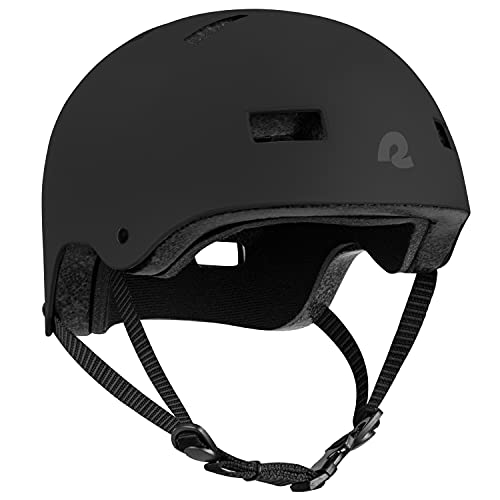
Retrospec Dakota Bike Helmet for Adults, Skateboard, Scooter

80SIX Triple Multisport Helmet for Bike, Scooter, Skateboard
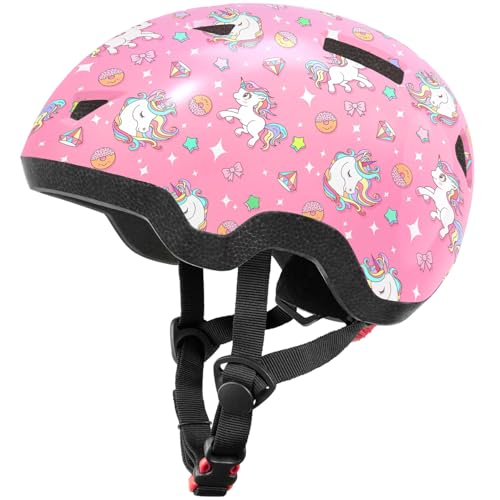
Toddler Bike Helmet for Boys and Girls, Adjustable Kids Helmet

Jetxles Adult Bike Helmet with Adjustable Dial and Visor

Schwinn Thrasher Helmet for Adults, Size 58-62 cm

ARCCAPTAIN Intelligent Auto-Darkening Welding Helmet 180°

ARCCAPTAIN Auto Darkening Welding Helmet with Light, Large View
Why These Options Stand Out
Adults who switch between a bike, a scooter, and a skateboard get one shell that covers all three. ABS means acrylonitrile butadiene styrene, a hard plastic shell, and EPS means expanded polystyrene foam, the shock-absorbing liner inside. That pairing keeps the shape simple and familiar across activities.
Ten vents spread airflow around the head, which matters on warm afternoon rides. Two sets of interior pads in different thicknesses let the fit be tuned without changing the whole helmet, and the pads come out for washing after sweaty sessions.
Notable Gains
- Ten vents support airflow during longer rides
- Removable pads make cleaning straightforward
- Two pad thicknesses help fine-tune fit
- Three adult sizes cover 51 to 60 cm
- Multisport shape suits bike, scooter, and skate use
Things To Consider
- Size range stops at 60 cm, so larger heads need another option
- Skate-style shell feels bulkier than a road cycling shell
Retrospec Dakota Bike Helmet for Adults, Skateboard, Scooter
Youth riders get a classic multisport shell that works for biking, scooters, skateboards, and inline skating. Unlike the Retrospec Dakota Bike Helmet for Adults, Skateboard, Scooter, sizing here starts at age five, with head ranges from 49 cm upward. That makes it a household option when younger riders need their own fit.
The shell meets three US standards covering bicycle use and skateboarding, which gives a clear reference point for parents comparing youth options. Interior foam pads shape gradually to the head, and the chin strap uses a side-release buckle for quick removal at the park.
Practical Advantages
- Three youth size ranges from 49 cm
- Meets CPSC, ASTM F1447, and ASTM F1492 standards
- ABS shell with EPS liner and foam pads
- Adjustable strap with side-release buckle
Worth Noting
- Adult sizing is not part of this range
- Foam shaping takes time, so initial fit feels snug
- Head measurement is needed before ordering
80SIX Triple Multisport Helmet for Bike, Scooter, Skateboard
Who It Suits Best
Children ages five and older who ride bikes, scooters, and skateboards and need a snug multisport fit.
Where Another Pick Suits Better
Adults should look at Retrospec Dakota Bike Helmet for Adults, Skateboard, Scooter for larger head ranges.
First rides on a balance bike or tricycle need a helmet that grows with a small head. A rear dial tightens the fit in small steps, while side straps and a chin buckle keep the shell level. That system suits short neighborhood loops where a child is still learning to steer.
Eleven vents and six internal cooling channels move air through the shell, and the inner pads come out for washing. Sizing runs XS at 46 to 50 cm, S at 50 to 54 cm, and M/L for older kids, so measuring matters more than the age printed on the box.
Strengths Worth Knowing
- Rear dial adjusts fit as heads grow
- Removable pads simplify cleaning
- 11 vents with 6 cooling channels
- Meets CPSC 1203 and ASTM F1447 standards
- XS size starts at 46 cm for toddlers
Small Caveats
- Children between XS and S need a careful measurement
- Dial adjustment still needs strap checks as size changes
Toddler Bike Helmet for Boys and Girls, Adjustable Kids Helmet
City commuters who want a less sporty look get a retro profile with a low visor for shade. A 360-degree dial tightens the fit evenly, which helps on routes with stops and turns where shifting would be distracting. M and L cover 54 to 61 cm, a wider span than the Retrospec Dakota range.
Twelve vents and five cooling channels pair with a removable moisture-wicking liner, so cleanup after a warm commute stays simple. The ABS shell and EPS core meet CPSC, ASTM, and CE standards, giving commuters a clear set of references.
Key Advantages
- 360-degree dial for even fit adjustment
- Removable visor adds shade in traffic
- 12 vents and 5 cooling channels
- Moisture-wicking liner comes out for washing
- Retro shape suits casual city riding
Trade Offs
- Two sizes only, so measurement decides M or L
- Retro shell offers less aggressive styling for sport riders
Larger adult heads often struggle with standard ranges, and this model targets 58 to 62 cm for riders ages 14 and up. A dial retention system tightens with a twist, then side and chin straps fine-tune the position. That combination helps on longer recreational rides where a loose fit becomes noticeable.
Microshell construction keeps the outer layer light, while full-coverage padding wraps around the head and can be removed for washing. Twenty-one vents in one listing detail and twenty in another suggest strong airflow, and a removable visor adds shade. It meets the US CPSC standard for bicycle helmets.
Everyday Advantages
- Dial retention for quick fit changes
- Removable washable interior padding
- Removable visor for sun shade
- Large 58-62 cm range for bigger heads
Points To Note
- Single large range does not suit smaller heads
- Sporty shape differs from the retro Jetxles style
- Vent count varies by listing detail, so check the product page
Made For
Adults with head circumferences from 58 to 62 cm who ride for fitness and recreation.
Consider Something Else When
Smaller heads fit better in Jetxles Adult Bike Helmet with Adjustable Dial and Visor at 54 to 61 cm.
Welding work shifts between stick, MIG, TIG, cutting, and grinding, and this hood adjusts shade, sensitivity, and delay automatically from arc brightness. One main lens plus two side lenses create a 180-degree panoramic view, with a total area of 7.2 by 3.2 inches. That wider view helps track a weld pool without turning the head as much.
Settings can be viewed on an internal screen and saved in up to nine memory modes, which suits people who switch tasks during a day. Seven arc sensors trigger darkening in 1/30000 second, and a rechargeable 500mAh battery with solar assist supports long shop sessions.
Bright Spots
- Panoramic main plus side lenses
- Internal screen for direct setting changes
- Nine saved setting modes for task switching
- Rechargeable battery with solar assist
- Built-in LED work light for dark spaces
- 1/1/1/1 optical clarity across lenses
Honest Caveats
- More controls mean more setup before first use
- Rechargeable battery needs charging time of 2.5 to 3 hours
Workshop welding in dim corners benefits from a large single view and a top light. The viewing area measures 3.94 by 3.66 inches with true color technology and 1/1/1/1 optical clarity, which keeps the weld pool easier to see. A USB-powered LED on top offers two brightness levels and arrives uninstalled for easy attachment.
Four arc sensors switch the lens in 1/25000 second, and shade and sensitivity adjust for stick, MIG, TIG, grinding, and cutting. At 1 pound in PP material with breathable padding, the hood stays lighter than the panoramic ARCCAPTAIN Intelligent Auto-Darkening Welding Helmet 180°, a useful trade-off for long sessions.
Why It Works Well
- Large 3.94 x 3.66 inch viewing area
- USB LED light with two brightness levels
- Solar panels plus CR2450 battery power
- Lightweight 1 lb PP shell
- Adjustable headgear with breathable padding
Potential Drawbacks
- LED light needs separate attachment before use
- Single large lens gives less side view than panoramic models
Fit, Ventilation, and Use Case: What To Weigh
Measure Before Anything Else
Head circumference decides the size range, and age labels alone can mislead. A string around the widest part of the head gives the number to compare against each listing. You can then rule out options that start or end outside that range.
Match Shell Shape to Activity
Skate-style shells sit lower and cover more of the head, while cycling shells prioritize vents and a lighter profile. Welding hoods are a separate category entirely, with lens size and sensor response shaping the decision. Picking the right shape first narrows the list quickly.
Check Adjustment and Cleaning
Dial systems, strap adjustment, and pad thickness all change how a helmet feels after an hour. Removable pads matter for anyone riding in heat or welding for long stretches. Washable liners keep sweat and dust from building up inside the shell.
Ventilation for Warm Weather
Vent counts range from ten to more than twenty across these options, and cooling channels help move air between vents. Commuters in stop-and-go traffic benefit from stronger airflow than casual weekend riders. A visor adds shade, which pairs well with vented shells for summer routes.
Key Considerations Across These Picks
Common Shopping Slip Ups
Ordering by age instead of circumference is the most common mistake, especially for toddlers between sizes. Another slip is choosing a skate shell for road cycling or a cycling shell for skateboarding, where coverage needs differ. Measuring and matching shape to activity avoids both problems.
What The Higher Tier Buys
Higher-tier welding hoods add panoramic lenses, internal screens, and memory modes that save time when tasks change often. For cycling, the step up usually brings dial fit, more vents, and washable liners rather than a different safety standard. Paying more makes sense when daily use puts those features to work.
Frequently Asked Questions
How do you measure head circumference for a helmet?
Wrap a string around the head above the eyebrows and ears, then measure the string length in centimeters. Compare that number directly against the size range in the listing before ordering.
Can one helmet work for biking and skateboarding?
Multisport shells like the Retrospec Dakota and the 80SIX model are shaped for both activities. Check the listed activities and standards to confirm the intended use for the size you need.
What does EPS foam do inside a helmet?
EPS is expanded polystyrene foam, the liner that absorbs impact energy inside the hard shell. The ABS shell spreads force while the foam liner manages the impact inside.
Why do welding helmets have side lenses?
Side lenses widen the viewing area so the weld pool stays visible without turning the head. Panoramic models use a main lens plus two side lenses for that wider field.
How often should helmet pads be washed?
Removable pads can be washed after sweaty rides or long welding sessions to keep the interior fresh. Check the product page for the specific care instructions for each model.
Final Verdict
Measure your head, match the shell to the activity, and prioritize dial fit and washable pads for daily use. Adults mixing sports suit the Retrospec Dakota, commuters suit the Jetxles model, and welders choose between panoramic control and a large lighted view. A snug, level fit matters more than any extra feature.