
A 2-year-old on a balance bike or tricycle needs head protection that stays put without feeling heavy. Small heads grow fast, straps slip, and heat builds quickly on slow park loops. The picks below focus on adjustable dials, vented shells, and size ranges that match toddler head measurements, with clear trade-offs for each style.
How The Shortlist Stacks Up
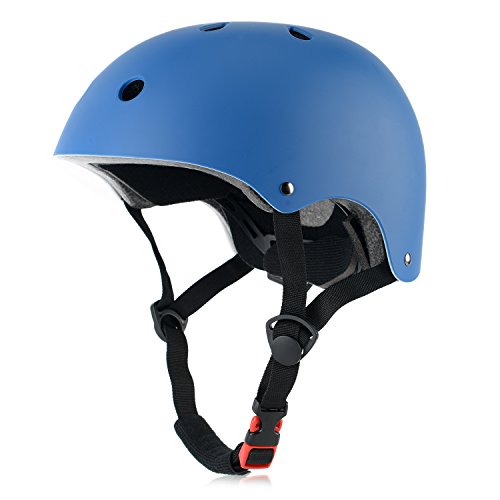
OUWOER Kids Bike Helmet 3 Sizes Blue Small
MOUNTALK Toddler Bike Helmet Unicorn XS

GLAF Baby Bike Helmet XS Matte Pink
Bluey Kids Bike Helmet Adjustable Fit
Bimalsic Toddler Helmet Adjustable Lightweight 1-6 Year

Bimalsic Toddler Helmet 45-54cm 12 Vents 220g
ArgoHome Toddler Kids Bike Helmet Set with Pads
What Each Pick Brings To The Table
The OUWOER in Small suits a 2-year-old who rides a balance bike several mornings a week. The small size spans 48 to 54 cm, and a rear dial plus two pad thicknesses let a caregiver fine-tune the fit as head shape changes. ABS refers to a hard plastic shell, while EPS means expanded polystyrene foam inside that absorbs impact.
Eleven vents across the top and sides help on warm sidewalk rides, and the same shell works for scooters and skateboards. That multi-sport shape differs from the MOUNTALK XS below, which starts smaller at 46 cm. In our view, the extra pads make this a practical pick for a child near the top of the small range.
A Strong Showing
- Rear dial adjusts fit without removing the helmet
- Two pad sets help match narrow or fuller heads
- Eleven vents support airflow during slow rides
- Small size covers 48 to 54 cm for ages 2 to 8
Things To Consider
- Small starts at 48 cm, so smaller toddlers need a different size
- Strap length needs rechecking as hair and hats change
The MOUNTALK XS targets the smallest riders, covering 46 to 50 cm for ages 1 to 2. That lower starting point separates it from the OUWOER Small, which begins at 48 cm. A dial ring at the back, side straps, and a chin buckle work together to keep the shell level on a small head.
Removable 360-degree inner pads can be washed after sweaty rides, and eleven vents plus six cooling channels guide air inside. Measuring head circumference before ordering matters here, because ages 2 to 4 can fall between XS and S. Heat may still build on long, slow loops, so venting helps but does not remove the need for shade breaks.
Everyday Perks
- XS range fits heads from 46 cm for younger toddlers
- Washable inner pads simplify cleanup after rides
- Cooling channels pair with vents for airflow
Worth Noting
- Age labels overlap between sizes, so measurement decides fit
- Unicorn styling may matter more than shell shape for some children
Who It Suits Best
Families with a 1 to 2-year-old whose head measures under 50 cm and who ride short neighborhood routes.
Where Another Pick Suits Better
GLAF Baby Bike Helmet XS Matte Pink suits a child measuring near 46 to 51 cm who needs an even smaller starting range.
GLAF offers three sizes, with XXS starting at 17.32 inches for children 12 months and up. The XS version listed here spans 18.11 to 20.08 inches for ages 1 to 5, which gives a 2-year-old room to grow. Extended head coverage means the shell reaches lower at the back of the head.
You’ll find fourteen vents here, more than the eleven on the OUWOER and MOUNTALK models. A PC shell, meaning polycarbonate plastic, pairs with EPS foam, and a spin dial plus quick-release clip adjust the fit. On warmer days, that higher vent count may help, though padding thickness still affects comfort.
Noteworthy Benefits
- XXS option supports children starting at 12 months
- Fourteen vents provide broad airflow coverage
- Extended coverage adds protection at the rear
- Quick-release clip speeds up helmet removal
- Spin dial adjusts circumference from the back
Trade Offs
- Inch-based sizing needs conversion against centimeter measurements
- Overlapping age ranges make measuring essential before ordering
Bluey graphics give this helmet a clear character angle for children who already love the show. The stated age range is 5 and up, so a 2-year-old falls below the intended group. That age note sets it apart from every toddler-sized pick above it.
A rear dial and padded chin strap adjust the fit, and an ABS shell with EPS foam handles impact absorption. Multiple ventilation channels support airflow on bike and scooter rides. You may find the design helps with willingness to wear the helmet, while size remains the deciding factor for younger children.
The Practical Payoff
- Character graphics may encourage consistent wear
- Rear dial and padded strap adjust the fit
- Ventilation channels support airflow during active play
Minor Gripes
- Age range starts at 5, above the 2-year-old group
- No head circumference range is listed for size checking
Bimalsic uses a lightweight polycarbonate shell, which is a strong plastic often used for clear, impact-resistant covers. Size XS covers 45 to 49 cm for ages 6 months to 2.5 years, and size S covers 48 to 54 cm for ages 2 to 6. That overlap at 48 cm needs a measurement, not an age guess.
Twelve vents and interior channels move air through the shell, and two pad thicknesses, 4 mm and 7 mm, allow a closer match to head shape. A rear dial helps a caregiver adjust the fit quickly before a ride. The honest read is that pad choice matters more than it first appears for small heads.
Notable Gains
- XS starts at 45 cm for infants and young toddlers
- Two pad thicknesses refine the inner fit
- Twelve vents support airflow on warm days
- Lightweight shell suits smaller neck strength
Small Caveats
- XS and S overlap at 48 cm, so sizing needs care
- Pad swapping adds a small setup step before rides
Made For
Caregivers of a child under 2.5 years whose head measures 45 to 49 cm and who want pad options for fit.
Consider Something Else When
Bimalsic Toddler Helmet 45-54cm 12 Vents 220g suits the same age group with spare washable liners and a dust bag included.
This Bimalsic version lists 220 grams, a concrete weight that helps compare it with the earlier Bimalsic pick. The polycarbonate shell and EPS foam combination matches the previous model, with 12 vents and a rear dial. Two washable liners and a dust bag add practical extras for storage between rides.
Size XS covers 45 to 49 cm and size S covers 48 to 54 cm, so a 2-year-old may fit either depending on measurement. You can rotate liners while one set dries, which helps families riding several days a week. That rotation is the main difference from the plainer Bimalsic version above.
Good Reasons To Consider
- Listed weight of 220 grams aids comparison
- Two washable liners support rotation after sweaty rides
- Dust bag helps with storage in a hallway or garage
- Twelve vents and interior channels move air through
Points To Note
- Size overlap at 48 cm still requires a head measurement
- Extra liners add items to wash and store
ArgoHome bundles the helmet with two knee pads, two elbow pads, and two wrist guards. That full set suits a first balance bike, where falls often land on knees and elbows. The helmet itself uses a hard shell with EPS foam and eleven vents.
Small covers 51 to 54 cm for ages 2 to 8, and medium covers 55 to 58 cm for ages 8 to 14. Your child may outgrow the small size sooner than the age label suggests, because the range starts at 51 cm. A dial-fit system and padded chin strap with quick-release buckle adjust the helmet for daily use.
What It Does Well
- Full pad set covers knees, elbows, and wrists
- Eleven vents support airflow during active play
- Dial fit adjusts circumference from the rear
- Multiple colors give children a choice
Honest Caveats
- Small starts at 51 cm, above several other picks
- Pad set adds storage space in a small entryway
What Matters Most Before Choosing Helmets For 2 Year Olds
Measure Head Circumference First
A soft tape around the widest part of the head, about 1 to 2 cm above the eyebrows, gives the number that matters. Age ranges overlap across brands, so a 2-year-old may need XS in one line and S in another. That single measurement prevents most size mistakes.
Check Dial Fit and Strap Adjustment
A rear dial changes circumference without removing the helmet, which helps on short rides. Adjustable chin straps and pad thickness options then center the shell. A helmet that sits level and stays in place during a gentle head shake is a better match than one chosen by age alone.
Match Vents and Weight To Ride Length
Eleven to fourteen vents appear across these picks, with interior channels on some models guiding air further inside. Lightweight shells, such as the listed 220 gram Bimalsic, suit younger toddlers on longer park loops. Short driveway rides place less demand on venting.
Consider Extra Gear and Storage
Pad sets add knee, elbow, and wrist coverage for balance bike beginners, while spare liners help families riding daily. Storage space matters in apartments, where a dust bag or compact shell fits a closet shelf more easily than a full pad set.
Key Considerations Across These Picks
Common Shopping Slip Ups
Ordering by age alone causes most fit problems, because head size varies widely at age 2. Skipping a measurement and relying on overlapping age labels leads to a shell that sits too high or too loose.
What The Higher Tier Buys
Higher-tier sets add spare liners, pad coverage, and lighter shells that simplify daily use. Those extras help frequent riders, while a single helmet suits occasional short rides.
Frequently Asked Questions
How should a toddler helmet fit?
The helmet should sit level, cover the forehead without sliding forward, and stay in place during a gentle head movement. The dial and straps should feel snug without pressing hard on the brow.
What size helmet does a 2-year-old need?
Head circumference decides the size, with ranges in this list starting from 45 cm and extending to 54 cm. Measuring before ordering gives a clearer answer than age alone.
Can one helmet work for bikes and scooters?
Several picks list cycling, skateboarding, scooters, and roller skating as suitable activities. Checking the listed activities for the chosen size confirms the intended use.
How often should straps be adjusted?
Straps need checking as hair, hats, and head size change over weeks. A quick dial and strap check before each ride keeps the fit consistent.
Are washable pads useful for toddlers?
Washable liners help after sweaty rides and spills, and spare sets allow rotation while one set dries. That feature matters more for daily riders than for occasional use.
Final Verdict
For a 2-year-old, head measurement points to the right size, and dial fit keeps that size useful as growth continues. The GLAF and Bimalsic options cover the smallest heads, while the OUWOER and ArgoHome sets suit larger toddlers and first balance bike setups. Match the size range first, then venting and extras.