
A glider bike puts a toddler on two wheels without pedals, so balance comes first. That setup suits sidewalk loops, park paths, and driveway practice during short outdoor sessions. You can match seat height to inseam, tire type to surface, and frame weight to car trunk space. You will see spinning ride-ons, pedal-free balance bikes, and one electric option for teens in this list.
The Picks In Brief
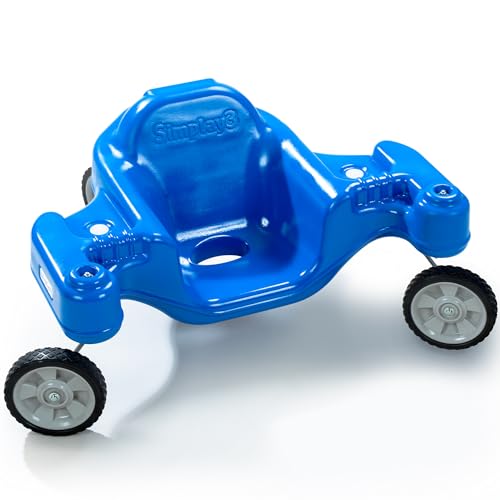
Simplay3 Galaxy Glider Ride-On Toy Blue

Radio Flyer Steady Glider Balance Bike Ages 1.5-5

SEREED Toddler Balance Bike 2 Year Old Adjustable

KRIDDO Toddler Balance Bike 2 Year Old Adjustable

Umatoll Toddler Balance Bike 2 Year Old

MACFOX X1S Electric Bike for Teens & Adults

Strider 12 Sport No Pedal Balance Bike Pink
The Picks, Examined More Closely
Unlike the pedal-free bikes that follow, this rocket-shaped ride-on is built for spinning in place. You place a toddler on a low seat close to the ground, then steering responds to body weight and hand pressure for 360-degree turns. That motion suits living rooms and patios where a straight-line bike has little room to run.
The wide wheelbase and low profile help reduce tipping during energetic play, for most backyards and playrooms. Weather and UV-resistant material wipes clean after outdoor sessions, and no batteries, pedals, or pushing are involved. Ages 1-1/2 to 5 covers a long stretch, though older children may outgrow the spinning appeal sooner.
Everyday Wins
- 360-degree steering supports balance and coordination practice
- Low seat height builds confidence for new riders
- Wipe-clean surface simplifies cleanup after outdoor play
- No batteries or pedals keeps setup simple
Things To Consider
- Spinning design does not teach two-wheel bicycle balance
- Floor space is needed for full rotation turns
Steel frame construction and air-free tires give this option a straightforward, classic feel. You get a ringing bell, grip tape for foot placement, and a tool-free adjustable seat for growth from 18 months to 5 years. That range helps delay a second purchase during the preschool years.
Non-puncture tires handle sidewalks, grass, or gravel without pumping, in our view a practical plus for busy households. Rigid suspension keeps the ride simple, though bumps will feel more direct than on a cushioned model. One thing worth considering is total weight during trunk loading, since steel adds heft compared with lighter frames later in this list.
The Case For It
- Adjustable seat grows with the child across several years
- Air-free tires remove pumping and puncture concerns
- Grip tape gives feet a defined resting spot
- Bell adds audible awareness on shared paths
- Steel frame supports repeated outdoor use
Worth Noting
- Steel build is heavier to lift into a car
- Rigid suspension offers little bump absorption
Who It Suits Best
Best suited to toddlers starting balance practice on sidewalks and park paths.
Where Another Pick Suits Better
Strider 12 Sport suits lighter carrying needs better than this steel frame.
Carbon steel frame and a stated 110 lb support limit signal a sturdy build for a toddler bike. You can adjust seat height from 12.6 to 17.1 inches and handlebars from 19.6 to 22.5 inches with a quick-release mechanism. Those ranges matter for a 2-year-old who grows quickly between seasons.
At 7.8 pounds, weight stays manageable for short walks to a park, for most households. EVA foam tires are airless, anti-slip, and quiet on indoor floors, which helps during apartment hallway practice. Bonus plate and stickers add personalization without changing ride behavior.
Good Reasons To Consider
- Wide seat and handlebar adjustment covers early growth
- Lightweight 7.8 lb frame eases carrying and storage
- Airless EVA tires work indoors without floor marks
- Stickers and plate encourage ownership and pride
Trade Offs
- Smaller starting seat height suits younger toddlers best
- Foam tires feel firmer on rough gravel than rubber tires
Shared carbon-steel construction with the previous pick, this model leans into customization. You can add stickers or drawings to a removable plate, which gives a 2 to 3 year old a sense of ownership. Soft PU seat and rubber grips add comfort touches for longer sidewalk sessions.
Extra-thick puncture-resistant tires aim for stability on grass and sidewalks, and quick-release adjustment covers seat and handlebar height. The stated 110 lb capacity matches the SEREED frame, so the choice comes down to personalization and grip feel rather than load strength. Storage remains compact, though the plate adds a part to track during moves.
What Works In Its Favor
- Customizable plate supports creative personalization
- Soft seat and grips improve hand and seat comfort
- Quick-release adjustments simplify height changes
Minor Gripes
- Removable plate can be misplaced during storage
- Thick tires add slight steering effort on soft ground
- Adjustment range details are less specific than some rivals
Spring buckle design promises quick assembly without extra tools, which helps during gift setup. You can adjust seat and handlebar height in seconds as a child grows from age 2 to 5. That growth window aligns with the KRIDDO and SEREED options, so assembly speed becomes the main differentiator here.
Carbon steel frame, soft rubber grips, and air-free EVA foam tires mirror the category formula for low maintenance. The design encourages pushing, standing, and walking practice that builds toward pedal bikes. For most families, simple assembly matters more than extra features during the first week of use.
Where It Delivers
- Spring buckle assembly reduces setup time
- Tool-free height adjustment supports growth
- Air-free tires avoid pumping during outdoor trips
- Soft grips improve control for small hands
- Carbon steel frame supports daily play
Small Caveats
- Specific height ranges are not detailed in source facts
- Buckle mechanism needs a firm check before riding
Made For
Suited to households wanting fast setup for ages 2 to 5 balance practice.
Consider Something Else When
SEREED Toddler Balance Bike suits detailed height planning better with listed ranges.
This entry breaks from toddler gliders entirely, with pedal assist aimed at teens and adults. You get an upright riding posture, LED headlight, taillight, and responsive brakes for early morning school runs. Smooth power delivery is tuned for controlled starts rather than sudden surges.
Arrival at 85% pre-assembled simplifies setup, and the design targets daily commutes to campus and activities. Local e-bike rules vary by area, so checking municipal regulations before purchase remains a sensible step. Battery range details are not listed in source facts, which makes distance planning less certain.
Notable Upsides
- Pedal assist supports longer school commutes
- Headlight and taillight improve visibility
- Upright geometry supports comfortable daily riding
- 85% pre-assembly speeds initial setup
Points To Note
- Electric design requires charging and battery care
- Local regulations affect where riding is allowed
- Not suited to toddler balance learning
Lightweight steel frame at 6.7 pounds makes this 12-inch option easy to carry between sessions. You can adjust seat height from 11 to 17 inches to fit inseams from 12 to 18 inches, covering ages 1 to 4. Foam rubber tires never go flat and need no maintenance, which simplifies ownership.
Maximum rider weight is 60 pounds, lower than the 110 lb frames earlier in this list, so growth headroom differs. Assembly includes tools and aims for low stress setup, for most households a welcome detail. Pink colorway gives a distinct look without changing the core balance-bike function.
The Practical Payoff
- 6.7 lb weight eases lifting and trunk storage
- Detailed seat range matches inseam sizing
- Foam tires remove flat tire maintenance
- Tools included simplify initial assembly
Honest Caveats
- 60 lb rider limit is lower than rival frames
- 12-inch wheels suit younger riders more than older ones
What Matters Most Before Choosing Glider Bike
Seat Fit and Inseam
Seat height range determines whether feet reach the ground flat during stops. Check your inseam against listed minimum and maximum before selecting a frame, since a few inches change confidence on slopes.
Tire Type and Surface
Airless foam tires suit sidewalks and indoor floors without pumping. Rubber tires handle grass and gravel with a slightly softer feel, so match tire material to the main riding surface. You can narrow choices quickly by listing the primary surface first.
Frame Weight and Storage
Weight affects carrying up stairs, loading into a trunk, and storage in small spaces. Lighter frames near 6 to 8 pounds suit frequent park trips for you, while steel frames trade weight for added rigidity.
Age Range and Growth
Adjustment range and rider weight limit show how long a model lasts. A wider range helps during rapid growth, and your estimate of use duration should guide whether a higher limit matters.
Key Considerations Across These Picks
Common Shopping Slip Ups
Many households buy by age label alone and miss inseam fit. Measuring your inseam and checking seat range prevents a bike that sits too high for safe stops.
What The Higher Tier Buys
Higher tier frames often add lighter materials, wider adjustment, and lighting for commutes. Paying more pays off for you during daily carrying or longer teen rides, less so for short toddler sessions.
Frequently Asked Questions
What age range suits most balance bikes in this list?
Most toddler models cover ages 1.5 to 5 years with adjustable seats. Strider 12 Sport covers ages 1 to 4 with a 60 lb limit.
Do airless tires need pumping?
Airless foam and non-puncture tires do not need pumping. That design suits sidewalks and indoor floors with low maintenance.
How does a spinning ride-on differ from a balance bike?
A spinning ride-on turns in place using body steering and does not teach two-wheel balance. A balance bike teaches steering and balance for a later pedal bike transition.
What seat height should be checked first?
Seat height should match inseam so feet reach the ground flat. Listed ranges such as 11 to 17 inches help confirm fit before purchase.
Is the electric option suitable for toddlers?
The MACFOX X1S targets teens and adults for school commutes with pedal assist. Toddler balance learning needs a pedal-free model from the other picks.
Final Thoughts
For toddler balance practice, match inseam to seat range and tire type to the main surface. Strider 12 Sport suits lightweight carrying, while SEREED suits detailed height adjustment. You can use frame weight and rider limit to decide how long a model will last during growth.