Morning traffic turns a short ride into a long wait, and a fast ebike changes that math for commuters and trail riders alike. The right motor, battery, and tire setup decides whether hills feel steep or manageable on a daily route. Speed matters, yet braking, suspension, and range shape comfort on longer trips. You can match those details to roads, trails, and storage space before choosing a model that fits a regular routine.
The Lineup, Simplified

Rideplux Street Legal Electric Bike 4000W 35MPH

GENBAIKO Electric Bike 51MPH 9000W Dual Motor

Movcan V30 PRO MAX Dual Motor Electric Bike 37.5MPH

Electric Bike for Adults 1500W 20 Inch Fat Tire Ebike

Ekellaka 9000W Dual Motor Electric Bike 48MPH

TST Electric Bike 1500W Peak Fat Tire 7-Speed
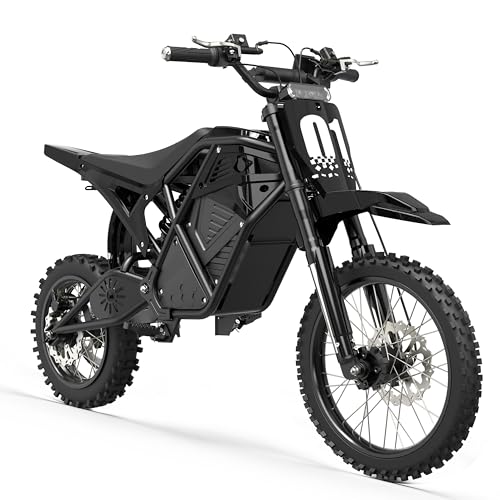
ESKUTE Electric Dirt Bike 3500W Peak Mid-Drive
A Breakdown Of The Leading Choices
Long weekend rides suit this model well, with a 4000W peak motor and 220Nm of torque aimed at steep climbs and mixed terrain. You get pedals, pedal-assist, and a lighting package that includes a 450-lumen headlight, taillight, and turn signals for road use where rules allow. Local rules vary, so a state check matters before public road riding.
The 48V 27Ah removable battery lists 150-plus miles in pedal-assist mode and takes about 8 hours to charge. A double-crown front fork with lockout, rear suspension, and 19-inch knobby tires handle rough ground differently from the fat-tire setups later in this list. Dual hydraulic disc brakes add stopping control at higher speeds.
Practical Advantages
- Removable battery simplifies charging at home or work
- Full suspension softens bumps on unpaved trails
- Knobby 19-inch tires grip loose surfaces with confidence
- Turn signals and lighting improve visibility after dark
- Five speeds help match pedaling effort to terrain
Things To Consider
- Eight-hour charging needs overnight planning
- Large battery and frame need clear storage space
Speed sits at the center here, with dual motors rated at 9000W peak and a listed top speed of 51MPH. That puts it well beyond the Rideplux model on straight-line pace, while 45-degree hill capability suits very steep routes. Riders focused on acceleration will notice the gap quickly.
The 52V 36Ah battery, or 1872Wh, lists 130 miles in pedal-assist with a single motor and 60 miles in pure electric mode. You may find dual-motor use cuts range to roughly 30 to 50 miles, which changes planning for long trips. A 330-pound capacity, rear rack, and 26 by 4-inch fat tires add load and terrain flexibility.
The Practical Payoff
- Dual motors deliver strong torque for steep hills
- Large battery supports extended pedal-assist rides
- Full suspension and fat tires smooth rough ground
- Rear rack helps carry groceries or camping gear
- Smart LCD shows speed, battery, and mileage
Worth Noting
- Dual-motor use reduces range noticeably
- High top speed demands careful braking distance
- Fat tires and frame need ample storage space
Who It Suits Best
Riders who prioritize top speed and hill power over compact size or longer charging routines.
Where Another Pick Suits Better
The Ekellaka 9000W Dual Motor Electric Bike 48MPH suits commuters who want fenders, a rack, and headlight included.
Dual batteries set this one apart, with two 20Ah packs making a 48V 40Ah system for a listed 120 miles in pedal-assist and 75 miles in pure electric mode. Dual brushless motors rate at 3000W with 4000W peak, reaching 37.5MPH and handling 35-degree slopes. Single or dual motor selection lets riders trade pace for range.
Twenty-inch by 4-inch puncture-resistant tires and five-level dual suspension suit sand, snow, and gravel. A color display and app link show dual battery levels, speed, and mileage, plus cruise control for steady pacing. Charging takes 6 to 7 hours with the included 54.6V 2A charger.
Notable Upsides
- Dual battery setup extends long-distance range
- App and display make ride data easy to follow
- Fat tires improve traction on soft surfaces
- Hydraulic dual disc brakes support steep descents
Trade Offs
- Two batteries add weight and storage needs
- App features add setup steps before riding
A more moderate 1500W peak motor and 30MPH top speed make this FLIWIN model easier to manage than the dual-motor options above. You start with a 20MPH limiter that can be adjusted to full power following the guide on the product page. That detail matters for new riders who want a gentler starting point.
The 48V 16Ah removable battery lists up to 40 miles in pedal-assist mode and charges in about 5 hours. Twenty-inch fat tires, a front suspension fork, dual mechanical disc brakes, and a 7-speed gearset cover city streets and light trails. An LCD display, LED headlight, and brake-activated taillight round out daily use.
Useful Strengths
- Removable battery allows indoor charging
- Three riding modes suit different road conditions
- Front suspension smooths uneven pavement
Minor Gripes
- Mechanical disc brakes need periodic adjustment
- 40-mile range suits shorter routes best
Dual motors rated at 9000W peak and a 48MPH top speed place this Ekellaka model near the GENBAIKO on pace, with single or dual motor selection for efficiency or power. A 52V 36Ah removable battery lists up to 100 miles per charge. That combination suits riders who commute far and still want strong hill performance.
Commuter equipment makes a practical difference here, including fenders, a cargo rack, a headlight, and an LCD display. You also get 26 by 4-inch fat tires, a hydraulic shock fork with lockout, Logan hydraulic dual disc brakes, and a Shimano 7-speed drivetrain. The aluminum frame supports a 400-pound load capacity.
Where It Helps
- Included fenders and rack support daily commuting
- Cadence sensor gives smoother pedal-assist feel
- Hydraulic brakes provide strong stopping control
- Removable battery simplifies charging at home
- Six modes cover cruise, walk assist, and bike mode
Points To Note
- Dual-motor use will shorten listed range
- Fat tires increase width for storage and transport
- High speed needs space to brake safely
Made For
Commuters who need included racks, fenders, and lighting for regular road use.
Consider Something Else When
The TST Electric Bike 1500W Peak Fat Tire 7-Speed suits riders who prefer moderate power and simpler controls.
Moderate power defines this TST model, with a 750W motor rated at 1500W peak and three working modes for commuting or trails. You get a 48V 15Ah removable battery that charges in 6 to 7 hours and lists up to 60 miles in pedal-assist mode. Throttle mode lists up to 40 miles, depending on rider weight and terrain.
Front and rear suspension, 20 by 4-inch puncture-proof tires, and mechanical disc brakes keep the setup straightforward. A 7-speed gearset, LCD display, and bright front light help riders track speed, distance, and battery level. At 66 pounds with a 450-pound load capacity, transport and storage need planning.
Bright Spots
- Dual suspension reduces bumps on mixed routes
- Removable battery supports anti-theft charging
- Seven speeds help on hills and flat roads
- LCD display keeps ride data in view
Softer Spots
- Mechanical brakes need checks before rides
- 66-pound weight complicates lifting into vehicles
A mid-drive motor sets this ESKUTE apart from hub-motor models, delivering 3500W peak power and 220Nm of torque for 38 to 46MPH and 35-degree climbs. Mid-drive placement can help with weight balance on trails, though rider preference shapes that feel. Dirt-focused riders will value the different layout.
The 48V 23Ah battery lists a 53-mile range and a 6-hour full charge, with a battery management system guarding against overheat, overcharge, and short circuits. Nitrogen-filled dual shock absorbers, hydraulic disc brakes, and a reinforced steel frame support a 265-pound load. Local age and licensing rules need a check before purchase.
Everyday Wins
- Mid-drive torque helps on steep off-road climbs
- Six-hour charging fits overnight routines
- Dual hydraulic brakes work in mud and sand
- Steel frame supports trail riding loads
Small Caveats
- 53-mile range suits shorter trail loops best
What To Check Before Picking a Fast Ebike
Motor and Top Speed
Peak wattage and torque shape hill climbing more than top speed alone. You should match motor output to the steepest route on a regular ride, since dual-motor models trade range for pace. A 1500W peak setup suits flatter commutes, while 9000W peak systems target steep terrain.
Battery and Charging Time
Battery capacity in amp-hours and watt-hours gives a clearer range picture than headline mileage. Your daily distance matters here, because pedal-assist range drops in throttle or dual-motor mode. Charging time from 5 to 8 hours affects overnight planning and storage location.
Tires, Suspension, and Brakes
Fat tires, knobby tires, and suspension types change comfort on gravel, sand, and pavement. Hydraulic disc brakes offer stronger control at higher speeds than mechanical systems, especially on descents. Tire width and frame size also decide whether storage and transport stay manageable.
Key Considerations Across These Picks
Common Shopping Slip Ups
Headline range often assumes pedal-assist with a single motor, so throttle-heavy riding will finish sooner. Top speed also needs context about braking distance and local rules for public roads. Checking load capacity, charging time, and tire size before ordering prevents a poor fit for daily routes.
What The Higher Tier Buys
Higher-tier models add dual motors, larger batteries, hydraulic brakes, and suspension systems that handle rough terrain with more control. Those upgrades pay off on long trips, steep hills, and frequent off-road use. Moderate-power models remain a sensible choice for shorter commutes and lighter trails.
Frequently Asked Questions
What speed should a fast ebike reach for commuting?
Many riders look for 30 to 48MPH depending on road type and local rules. You should confirm state regulations before riding on public roads, since classification rules vary widely.
How far can these batteries travel in pedal-assist mode?
Listed pedal-assist range spans roughly 40 to 150 miles across this group. Real distance changes with rider weight, terrain, wind, and motor mode.
Do fat tires help on trails?
Fat tires spread weight across soft surfaces and improve traction on sand, snow, and gravel. Your storage space matters too, because wider tires increase overall width.
Are hydraulic brakes worth the upgrade?
Hydraulic disc brakes generally provide stronger, more consistent stopping force at higher speeds. Mechanical systems still work well at moderate speeds and need more frequent adjustment.
How long does charging take?
Listed charging times range from about 5 hours to 8 hours in this group. Overnight charging suits most home routines, while removable batteries allow indoor charging.
Final Verdict
For long trail days, the Rideplux model offers strong range and full suspension. For maximum pace, the GENBAIKO and Ekellaka options lead on listed speed. You can narrow the choice by matching motor power, battery size, and tire type to the routes ahead.