
A steep driveway, a headwind on the ride home, or a weekend trail that looks closer on a map can all make a regular bike feel like hard work. Electric assist changes that equation by adding motor support for hills and longer routes, while pedal-assist modes let you keep pedaling at your own effort level. The right choice depends on range, tire width, suspension, and how the bike fits your storage space and daily route.
The Main Contenders

ASKGO Electric Bike for Adults 1500W Peak Motor 26″ Mountain Ebike

Jasion RetroVolt Electric Bike 2000W Peak Fat Tire 70-Mile Range

SmileCity Electric Bike for Adults 26″ 1500W Peak Motor 25MPH

8000W Dual Motor Electric Bike 52MPH 26×4 Fat Tire
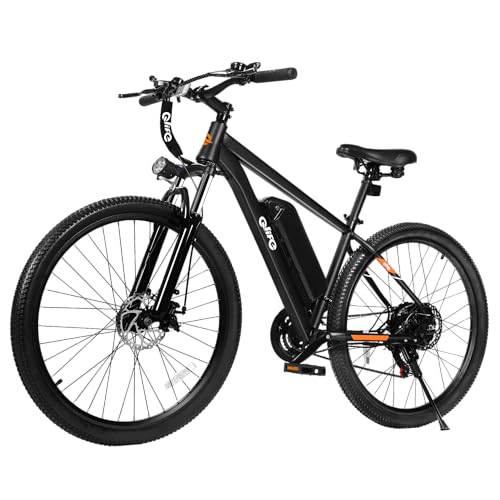
Qlife Racer Electric Bike 21-Speed Peak 1000W 40 Miles Range

TST Electric Bike for Adults 1500W Peak Motor Fat Tire

LELEKUAI Electric Bike for Adults 1200W Peak Motor Commuter Ebike
The Picks, Examined More Closely
Peak motor output means the highest power available for short bursts, such as starting on a hill, rather than continuous cruising power. That distinction matters on steep streets, and this ASKGO model pairs a 1500W peak motor with a 25 mph top speed for commuters who mix flat roads with climbs.
A 48V 10.4Ah removable battery gives up to 45 miles per charge, with a 6 to 8 hour recharge window. Dual suspension, meaning cushioning at both the front fork and seat post, helps soften bumps on gravel and broken pavement during a daily commute.
Positive Points
- 45-mile range supports longer commutes between charges
- Front and seat-post suspension smooths rough road sections
- 400-lumen LED headlight aids visibility after dark
- Dual disc brakes provide stopping control on descents
Things To Consider
- Single-speed setup limits gear choice on varied terrain
- 6 to 8 hour charging suits overnight charging best
The moped-style frame and 20 x 4.0 inch fat tires give this Jasion RetroVolt a different feel from the ASKGO model. Wider tires spread contact over sand, gravel, and uneven pavement, which helps on beach routes and park paths.
Torque, the twisting force that helps the motor turn the wheel, is listed at 99Nm alongside 2000W peak output. You’ll notice that combination most on starts and inclines, while the 48V 15Ah battery supports up to 70 miles and recharges in about 5 to 6 hours.
Good Reasons To Consider
- 70-mile range covers commutes plus weekend rides
- Fat tires improve grip on loose surfaces
- Rear seat pad supports short passenger trips
- Five riding modes plus 7-speed gears add flexibility
- 330 lb payload capacity suits heavier loads
Worth Noting
- Fat tires and larger battery add weight for lifting
- Wide frame needs clear storage space
Who It Suits Best
Commuters who ride on mixed surfaces and want passenger capacity benefit most.
Where Another Pick Suits Better
Qlife Racer Electric Bike 21-Speed Peak 1000W 40 Miles Range suits riders who value a lighter, more traditional mountain bike feel.
Your commute length decides whether range feels generous or tight. This SmileCity commuter lists up to 45 miles from a 48V lithium battery, with a 4 to 6 hour charge that fits an overnight routine more easily than longer charging windows.
A brushless motor, meaning a motor design without brushes that wear over time, delivers 1500W peak output and a 25 mph top speed. Front fork and seat suspension work together to reduce bumps, and dual mechanical disc brakes add stopping control.
What Earns Its Place
- Removable battery allows indoor charging away from the bike
- 400-lumen LED headlight supports evening rides
- Multiple riding modes adapt to flat or steep sections
Trade Offs
- Range figure depends heavily on rider weight and assist level
- Mechanical disc brakes need periodic adjustment
Dual motors, one at each wheel, split drive between front and rear. That setup explains the 8000W peak rating and 52 mph top speed, numbers far beyond the commuter-focused models earlier in this list.
A 60V 32Ah removable battery provides 35 to 80 miles with pedal assist, depending on mode, load, and terrain. The 6061 aluminum alloy frame, a lightweight metal commonly used for bike frames, pairs with 26 x 4 inch tires and dual front suspension plus rear shocks.
Well-Handled Touches
- Large battery supports long rides and optional spare battery use
- Hydraulic disc brakes deliver stronger stopping feel than mechanical types
- 600-lumen front light plus tail light aid night visibility
- Rear cargo rack and included accessories add carrying options
Minor Gripes
- High power output demands careful riding and space to stop
- Large size and weight complicate storage and transport
Pedal-assist, often shortened to PAS, means the motor helps only while pedaling. That mode stretches range on this Qlife Racer to up to 40 miles, compared with about 25 miles on throttle alone.
At 48.1 pounds, the frame is lighter than the fat-tire models. A 21-speed gearset gives finer control on hills, and four modes include walking assist for pushing the bike on steep sections. The 48V 7.8Ah battery charges in about 4 hours.
Practical Advantages
- Lighter weight makes lifting and handling easier
- 21 speeds help match effort to gradient
- Walking assist helps on very steep ramps
Points To Note
- 26 x 2.1 inch tires offer less float on sand than fat tires
- Smaller 375Wh battery limits long-distance rides
Qlife Racer Electric Bike 21-Speed Peak 1000W 40 Miles Range
Made For
New riders who want a traditional mountain bike feel with electric help benefit most.
Consider Something Else When
Jasion RetroVolt Electric Bike 2000W Peak Fat Tire 70-Mile Range suits riders who need fat tires and longer range for sand or gravel.
Comfort comes from the combination here: 20 x 4 inch fat tires plus front and rear suspension. That pairing absorbs bumps differently from the Qlife Racers narrower tires, especially on cracked pavement and gravel paths.
A 750W motor with 1500W peak output and a 48V 15Ah removable battery support up to 60 miles in pedal-assist mode and about 40 miles on throttle. Charging takes 6 to 7 hours, and the LCD display shows speed, distance, and battery level.
Practical Pluses
- Dual suspension reduces vibration on uneven roads
- 450 lb maximum load supports heavier riders and cargo
- 7-speed gears plus 3 working modes cover varied terrain
- Mechanical disc brakes front and rear aid controlled stops
Small Caveats
- 66 lb weight makes carrying upstairs demanding
- Brake inspection before rides adds a routine check
Folding frames solve a different problem from raw power. This LELEKUAI model folds for storage in a car trunk or a small apartment corner, a clear contrast with the larger fat-tire bikes above.
Its 14 inch wheels and removable 48V 10Ah battery support 32 miles of range, with a 1200W peak motor listed in the title and a 560W motor described for an 18.6 mph top speed. Dual disc brakes and pedal-assist, throttle, and manual modes cover short city trips.
The Good Stuff
- Quick-folding frame fits small storage spaces
- Removable battery allows indoor charging
- Three ride modes suit different effort levels
Areas To Watch
- 14 inch wheels feel less stable on rough trails
- 32-mile range suits shorter commutes best
What Matters Most Before Choosing Electric Bicycle
Range and Charging Time
Range figures assume pedal assist, lighter loads, and flat routes. Throttle-only riding, headwinds, and steep climbs reduce distance quickly. Match the listed range to your longest round trip, then add a margin for weather and cargo.
Tire Width and Suspension
Fat tires at 4 inches wide float over sand and gravel, while narrower tires feel more efficient on pavement. Dual suspension helps on broken roads, but adds weight and maintenance points. Your main surface should drive this choice.
Motor Output and Gears
Peak wattage helps on hills and starts, while gear count controls pedaling effort. A 21-speed system offers finer adjustment than a single-speed setup. Riders on varied gradients benefit from gears more than extra peak power alone.
Size, Weight, and Storage
Weight ranges from lighter commuter frames to heavy fat-tire models over 60 pounds. Measure storage space and consider stairs before selecting a large model. Folding designs trade ride stability for easier storage.
Key Considerations Across These Picks
Common Shopping Slip Ups
Many shoppers focus on top speed and overlook charging time, storage size, and tire type. A fast bike that cannot fit in a garage or needs all day to recharge creates daily friction. Check dimensions and weight against your actual storage and route first.
What The Higher Tier Buys
Higher-tier models add larger batteries, dual motors, hydraulic brakes, and stronger frames. Those upgrades pay off for long rides, steep terrain, or frequent off-road use. For short flat commutes, a simpler setup often covers the need with less weight to move.
Frequently Asked Questions
How far can these electric bikes travel on one charge?
Range varies by model, from 32 miles for the LELEKUAI model to up to 70 miles for the Jasion RetroVolt model. Pedal assist, rider weight, terrain, and wind all affect the distance achieved.
What does peak motor wattage mean?
Peak wattage is the highest power the motor can deliver for short bursts, such as climbing a hill. Continuous power for cruising is lower, so peak figures mainly describe hill and starting help.
Are fat tires better for trails?
Fat tires provide more grip and cushioning on sand, gravel, and snow. Narrower tires roll more efficiently on pavement, so the better choice depends on your primary riding surface.
How long does charging take?
Charging times in this list range from about 4 hours to 6 to 8 hours. Removable batteries allow charging indoors away from the bike, which suits apartments and garages.
Can a folding electric bike handle commuting?
A folding model suits short city commutes and small storage spaces. Smaller wheels and shorter range make it less suited to long or rough trail rides.
Final Verdict
For mixed commuting and trails, the ASKGO model balances power, range, and suspension. Riders who need sand and gravel grip should look at the Jasion RetroVolt, while small-space storage points to the LELEKUAI folding design. Match tire type and range to your route, and the choice becomes clearer.