
Steep climbs and loose gravel turn a regular ride into work, and motor assist changes that balance completely. A commuter heading uphill daily needs torque and braking confidence, while a trail rider needs suspension travel and gear range. Matching motor size, battery capacity, and tire width to terrain matters more than chasing the largest headline number. You can narrow the field by deciding where most miles will happen, pavement, mixed paths, or technical trails.
Your Options, Compared

ASKGO Electric Bike for Adults, 1500W Peak Motor 26″ Mountain Ebike

Electric Mountain Bike for Adults, 750W Motor, 20MPH Ebike 26″ Tires

Canyon Torque:ON 7, Burned Sand, Small

Schwinn High Timber Electric Mountain Bike, 350W Motor, 27.5″ Wheel, Black

Jasion EB5 Ultra Electric Bike for Adults 2500W Peak Motor
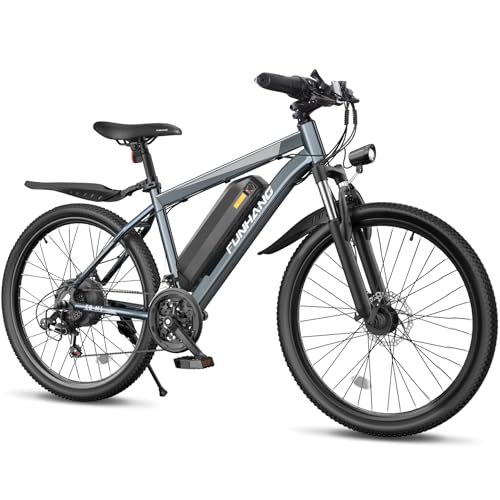
Funhang Electric Bike for Adults, 1000W Peak Ebike, 26″ 48V

TST Electric Bike for Adults, 48V 15Ah Battery, 1500W Peak Motor, Fat Tire
Taking A Closer Look At The Options
Peak power defines this choice, and the 1500W peak motor suits steep hills plus fast mixed riding. You get a 48V 10.4Ah removable battery rated for up to 45 miles, with a 6 to 8 hour recharge window. That setup fits commuters who want weekend trail use without a second bike.
Front fork plus seat post suspension softens bumps, and a 400-lumen LED headlight supports low-light riding. Dual disc brakes and anti-slip tires add control on wet pavement. Compared with the Schwinn High Timber, the ASKGO trades seven-speed gearing for stronger peak output and a single-speed layout.
What Helps Most
- 1500W peak motor handles steep grades with confidence
- 45-mile rated range supports longer commutes
- Removable battery allows charging away from the bike
- Dual suspension smooths gravel and rough roads
- 95% pre-assembled design shortens setup time
Things To Consider
- Single speed limits pedal control on varied grades
- 6 to 8 hour charging needs overnight planning
ASKGO Electric Bike for Adults, 1500W Peak Motor 26″ Mountain Ebike
Balance shows up in the 7-speed drivetrain paired with a 750W peak motor and 20 MPH top speed. You can switch between pedal assist, pure electric throttle, and manual pedaling for different road conditions. That flexibility suits weekday commuting plus weekend dirt paths.
The removable 36V 10Ah battery reaches up to 35 miles in pedal assist and 25 miles in pure electric mode. Full charging takes 4 to 5 hours, and charging works on or off the bike. Front and rear suspension plus disc brakes and an LED headlight round out all-condition control.
The Helpful Details
- 7-speed transmission gives finer control than single-speed designs
- Three riding modes adapt to commutes and leisure rides
- Removable battery simplifies storage and indoor charging
- Full suspension absorbs bumps on mixed terrain
Worth Noting
- 35-mile pedal-assist range is shorter than larger-battery rivals
- 26-inch tires feel less roll-efficient on smooth pavement
Who It Suits Best
Commuters who also ride unpaved trails on weekends get the most from this mixed-use setup.
Where Another Pick Suits Better
Canyon Torque:ON 7 suits experienced trail riders who need long-travel suspension and 12-speed gearing.
Serious trail geometry sets this bike apart, with a low-slung frame built for stability on technical descents. You get a Shimano EP600 motor delivering 85Nm of torque for smooth, efficient pedaling support. That torque figure matters on steep, loose climbs where cadence control counts.
RockShox suspension provides 180mm front and 175mm rear travel, a major step beyond the front-only forks on most other picks here. A 504 Wh battery supports extended trail days, and 12 speeds keep gearing options wide. Small sizing with 27.5-inch wheels suits shorter riders on aggressive terrain.
What Pays Off
- 85Nm torque supports technical climbing and loose surfaces
- 180mm front and 175mm rear travel absorbs rough trails
- 12-speed range maintains cadence across steep grades
- 504 Wh battery supports longer trail sessions
- Progressive geometry aids stability at speed
Trade Offs
- Trail-focused design is less practical for simple errands
- Small frame size limits fit for taller riders
Simplicity is the appeal here, with a 350W hub motor reaching up to 20 mph and three pedal-assist levels. You can also use throttle for instant acceleration without pedaling. That combination helps new riders build confidence on dirt trails and gravel paths.
A removable battery provides up to 40 miles per charge and refills in about 5 hours from a standard outlet. An aluminum frame, front suspension fork, grippy tires, and disc brakes keep the ride stable on rough ground. The bike fits riders from 62 inches tall and up to 300 pounds.
Real-World Strengths
- Throttle plus pedal assist suits varied skill levels
- 40-mile range covers weekend trail rides
- Removable battery allows charging at home or off bike
- Front suspension and knobby tires improve trail stability
Minor Gripes
- 350W motor feels modest on very steep climbs
- Front-only suspension leaves rear bumps less damped
- 300-pound limit needs checking for heavier riders
Fat tires change the riding surface entirely, with 26 by 4 inch tires built for sand, snow, gravel, and pavement. You get a 2500W peak motor with at least 75Nm of torque for steep climbs and quick acceleration. That power level separates this model from the 350W Schwinn High Timber in a clear way.
A removable 52V 20Ah battery is rated for up to 70 miles, and dual suspension uses a reinforced front fork plus a 160mm rear shock. Hydraulic disc brakes, a rear rack, full fenders, and a 330-pound payload capacity make the frame practical for loaded commutes.
Good Reasons To Consider
- 2500W peak motor delivers strong torque for steep terrain
- 70-mile rated range supports long-distance riding
- Fat tires improve traction on loose surfaces
- Hydraulic brakes provide responsive stopping power
- Rear rack and fenders add everyday utility
Room For Improvement
- Fat-tire width needs wider storage space at home
- High peak power demands careful speed control for beginners
Mode variety is the headline, with five working modes plus five pedal-assist levels and a 7-speed gear system. You can choose throttle, assisted riding, normal pedaling, cruise, or booster mode for pushing the bike. That range suits riders who switch between exercise and effortless cruising.
A 48V removable battery covers 25 to 30 miles in full electric mode and 40 to 50 miles in pedal assist, charging in 4 to 5 hours. Front suspension, fenders, dual disc brakes, an LED headlight, and an LCD display cover daily commuting needs. The frame fits riders from 5’3″ to 6’1″ and up to 300 pounds.
Notable Upsides
- Five modes plus five assist levels allow fine tuning
- Removable battery charges on or off the bike
- Fenders help with mud and wet roads
- 85% pre-assembled format speeds initial setup
Points To Note
- Front-only suspension is less plush than dual-suspension rivals
- Range drops in full electric mode compared with pedal assist
Made For
Leisure riders who value mode choice for commutes, workouts, and casual trail rides.
Look Elsewhere When
Jasion EB5 Ultra suits riders who need fat tires and hydraulic brakes for snow and sand.
Fat tires plus dual suspension give this bike a clear off-road focus for commuters and beginners. You get a 750W motor with 1500W peak power and three working modes for city streets, mountains, and beaches. A 48V 15Ah removable battery reaches up to 60 miles in pedal assist and 40 miles in throttle mode.
Charging takes 6 to 7 hours, and the bike arrives 90% pre-assembled with an LCD display for speed, distance, and battery level. Front and rear mechanical disc brakes plus a bright front light support controlled riding. At 66 pounds with a 450-pound maximum load, storage space needs planning before purchase.
A Few Strong Suits
- 1500W peak power handles commuting and off-road climbs
- Dual suspension absorbs bumps and vibrations
- Fat tires improve grip on loose surfaces
- 60-mile pedal-assist range supports long rides
- 7-speed gears adapt to varied terrain
Small Caveats
- 66-pound weight makes lifting into vehicles harder
- 6 to 7 hour charging requires overnight planning
What Matters Most Before Choosing Ebike Mountain Bike
Motor Power and Torque
Peak watts describe short bursts, while torque describes climbing pull. Steep, loose grades need torque more than top speed. You should match motor output to the steepest route in a normal week, not the steepest hill ever imagined.
Battery Capacity and Charging Time
Battery size, measured in watt-hours, sets how long assist lasts between charges. Larger batteries add weight and charging time, so a 70-mile rated pack suits long weekends better than short daily loops. Removable designs help when storage lacks an outlet near the bike.
Suspension, Tires, and Gearing
Front suspension suits gravel paths, while dual suspension helps on rocky trails with repeated impacts. Fat tires add traction on sand and snow, and multiple speeds keep pedaling efficient on grades. Canyon Torque:ON 7 shows the trail end of this range, while Schwinn High Timber shows the simpler end.
Key Considerations Across These Picks
Common Shopping Slip Ups
Chasing the largest peak watt number often leads to a bike that is heavier and harder to store than needed. Checking rider height limits, weight limits, and charging time before ordering prevents most fit problems.
What The Higher Tier Buys
Higher-tier models add long-travel suspension, wider gear ranges, and larger batteries for technical terrain. That spending pays off for riders who regularly tackle steep, rough trails, and it matters less for flat pavement commuting.
Frequently Asked Questions
How much range should a commuter expect?
Range depends on assist level, rider weight, and terrain, with pedal assist lasting longer than throttle-only riding. A 40 to 50 mile rated pack covers most weekday commutes with charging at home.
Are fat tires better than standard tires?
Fat tires improve traction on sand, snow, and loose gravel, while standard tires roll more efficiently on pavement. Mixed riders should weigh grip against weight and storage space.
What does peak motor power mean?
Peak power describes maximum output during short bursts, not continuous cruising power. Torque and gearing matter more for sustained climbing on steep grades.
Can the battery charge away from the bike?
Most picks here use removable batteries that charge on or off the frame. That design helps in apartments and garages without an outlet at the storage spot.
Which suspension setup suits rough trails?
Dual suspension with longer travel absorbs repeated bumps better than a front fork alone. Long-travel setups like the Canyon Torque:ON 7 suit technical descents, while front suspension suits gravel paths.
Final Verdict
For mixed commuting and trails, the balanced 7-speed model covers daily needs without excess weight. For technical riding, long-travel suspension and higher torque justify the step up. You should pick based on terrain first, then power, then range, in that order.