A daily commute on a busy road changes the math on range, tire width, and how easily a bike fits in a hallway. You need enough range for the round trip without charging midweek. You also need a frame that fits storage at home and a motor that handles hills on the route.
A Snapshot Of The Selections

Funhang Electric Bike for Adults 1000W Peak 26 Fat Tire

Aipas C1/C2 Electric Bike Adults 1100W Peak 62-Mile

ANCHEER 26 Electric Bike Adults Peak 749W 48V 499Wh

ABKDO 4000W Peak Electric Dirt Bike 45 MPH 40 Miles

ESKUTE M200 Electric Bike 21-Speed 27.5 Mountain 1200W Peak
ESKUTE Electric Dirt Bike Mid-Drive 3500W Peak 48V 23Ah
A Breakdown Of The Leading Choices
Fat tires and a rear rack give this model a clear job: hauling and rough surfaces. The 26 by 4.0 inch tires suit sand, gravel, and mixed pavement, while a 500W motor with 66.6 Nm of torque, meaning rotational force, reaches 20 mph. That combination fits errands and delivery-style work better than a narrow-tire commuter.
The 48V 13Ah battery provides 30 to 35 miles in pure electric mode and 55 to 60 miles in PAS mode, where PAS means pedal assist. You can charge the removable pack away from the frame, with charging taking about 6.5 hours. Front suspension and a soft saddle soften bumps on uneven paths.
The Case For It
- Rear rack carries up to 60 pounds for shopping loads
- Headlight plus taillight and turn signal aid night visibility
- Seven-speed gearing adapts effort across grades
- LCD display shows speed, battery, assist level, and mileage
- Dual 180mm disc brakes add stopping control
Things To Consider
- Fat tires add rolling resistance on smooth pavement
- Rider height range is 5.3 to 6.2 feet, so fit needs checking
Unlike the fat-tire Funhang model, this commuter uses 26 by 1.95 inch tires for smoother pavement rolling. You get a step-through frame that makes mounting easier, plus an upright position for traffic and errands. The 1100W peak motor with 90 Nm torque reaches 28 mph and climbs grades up to 20 degrees.
The 48V 12.8Ah battery, rated at 615Wh where Wh means watt-hours of stored energy, reaches up to 62 miles in pedal assist. At 64 lbs, the bike suits riders from 5 feet 1 inch to 6 feet 5 inches, with adjustable handlebars for fit. Front suspension helps on cracked pavement and light gravel.
Key Advantages
- Step-through frame eases getting on and off
- 400 lbs maximum load supports heavier riders plus cargo
- Seven speeds and five assist levels tune effort
- Headlight, rear turn signals, and horn aid visibility
Worth Noting
- Narrower tires feel less planted on loose sand
- Range drops with higher assist, weight, and speed
- 64 lbs is heavy for stairs without a ramp
Who It Suits Best
Commuters who want easy mounting and a high load limit for errands and work trips.
Where Another Pick Suits Better
The Funhang Electric Bike for Adults 1000W Peak 26 Fat Tire suits riders who need fat tires and a rear rack for loose surfaces.
This ANCHEER model takes a simpler approach than the Aipas commuter, with a 500W motor rated at 749W peak and a maximum speed of 19.8 mph. Front suspension and a seven-speed transmission handle trails and hills without a complex setup. Mechanical disc brakes front and rear keep stopping straightforward.
The 48V 10.4Ah battery, rated at 499Wh, reaches 50 miles in pedal assist and can charge on or off the bike. Four riding modes cover throttle, pedal assist, normal cycling, and a booster walk mode for pushing alongside. The LCD display shows battery, assist level, mileage, voltage, and speed.
Practical Pluses
- Removable lockable battery simplifies home charging
- Booster mode helps push the bike while walking
- Mostly pre-assembled design cuts setup time
Trade Offs
- Lower maximum speed than the 28 mph commuter options
- Smaller battery than the 615Wh Aipas pack
This is a dirt bike in motorcycle category, not a pedal-assist bicycle. A mid-mounted motor with 4000W peak power and 230 Nm torque reaches 45 mph, with a stated 0 to 20 mph time of 1.5 seconds. All-terrain tires measure 14 inches front and 12 inches rear for dirt, sand, and gravel.
The 48V 23Ah removable battery reaches 40 miles and lifts out by opening the seat. You get a reverse function for parking, hydraulic disc brakes, and a color LCD dashboard. Suspension uses an inverted hydraulic front shock and a nitrogen-filled hydraulic rear shock.
A Few Highlights
- Removable battery charges away from the frame
- Reverse function eases tight parking moves
- Phone holder and disc lock included in the package
- 330 lbs load capacity for adult riders
Minor Gripes
- Pedal-assist bikes suit road commuting better
- Height range listed as 5.4 to 6.5 feet needs a fit check
Made For
Adult trail riders who want dirt-bike speed and torque on unpaved routes.
Consider Something Else When
The ESKUTE M200 Electric Bike 21-Speed 27.5 Mountain 1200W Peak suits riders who want pedal assist and gears for commuting.
A 21-speed gearset separates this mountain e-bike from the seven-speed models earlier in the list. The 1200W peak brushless motor reaches 28 mph, matching the Aipas commuter on speed while adding trail gearing. Four modes cover manual, pedal assist, throttle, and walk mode.
The 48V 10.4Ah battery reaches 55 miles in pedal assist and 40 miles on throttle, with charging in about 4 hours. You can tap an NFC card, meaning near-field communication, to start the bike without a password. Dual front suspension and 27.5 by 2.1 inch tires handle uneven ground.
Where It Excels
- 21 speeds give finer control on climbs and descents
- Lockable removable battery adds theft protection
- Bright headlight and rear reflector aid visibility
- 90% pre-assembled with tools and guide included
- LCD display keeps ride data in view
Room For Improvement
- Step-over frame is less easy to mount than step-through
- Throttle range is shorter than pedal-assist range
- 27.5 inch wheels need storage space in small spaces
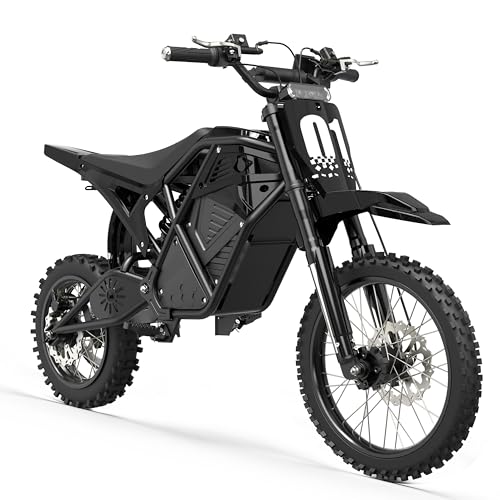
Mid-drive placement puts torque near the center, which changes handling compared with the ABKDO dirt bike. This ESKUTE model delivers 3500W peak power and 220 Nm torque, reaching 38 to 46 mph. A reinforced steel frame supports up to 265 lbs.
The 48V 23Ah battery reaches 53 miles, with a full charge in about 6 hours. Nitrogen-filled shock technology is designed to keep damping consistent during sustained rough riding. Dual hydraulic disc brakes provide stopping power in mud, water, and sand.
Where It Helps
- 53-mile range suits longer trail sessions
- Steel frame supports up to 265 lbs
- Tools included for assembly
Points To Note
- Lower load limit than the ABKDO model at 330 lbs
- Local age and licensing rules need checking before purchase
What To Check Before Choosing an E Bike Under 800
Range and Battery Size
Battery capacity in watt-hours shapes how far a ride goes between charges. You can plan around a round trip by adding a buffer for hills, wind, and higher assist levels. Removable packs help when charging happens away from storage.
Motor Power and Tire Type
Peak watts and torque affect climbing and loaded riding, while tire width affects surface grip. Fat tires suit loose ground, and narrower commuter tires roll more smoothly on pavement. Matching tire type to the main route saves effort on each ride.
Frame Fit and Storage
Frame style, rider height range, and maximum load decide whether a model fits daily use. You should measure hallway and storage space before ordering a full-size mountain frame. Step-through frames ease mounting, and step-over frames suit riders who prefer that stance.
Modes and Controls
Pedal assist levels, throttle, and walk mode change how the bike feels on different segments. You can use lower assist on flat paths and higher assist on grades. Displays that show battery and speed help plan the ride home.
Key Considerations Across These Picks
Common Shopping Slip Ups
Comparing peak watts alone leads to the wrong choice for road use. Checking range in pedal assist, tire type, and load limit gives a clearer picture. Measuring storage space prevents a fit problem after delivery.
What The Higher Tier Buys
Higher-tier models often add larger batteries, more gears, and stronger suspension. Those additions help on long rides and steep climbs. Paying more makes sense when daily distance or terrain demands that extra capability.
Frequently Asked Questions
How far do these bikes go on one charge?
Range varies by model and assist level, from 40 miles on the ABKDO dirt bike to 62 miles in pedal assist on the Aipas commuter. You can compare the stated pedal-assist figure against the planned round trip.
Are fat tires better than narrower tires?
Fat tires grip loose surfaces such as sand and gravel more firmly. Narrower tires roll more efficiently on pavement and in bike lanes.
Can the battery charge away from the bike?
Most models here use a removable battery that charges on or off the frame. That design helps in apartments where charging happens indoors.
What speed should a commuter expect?
Commuter models here reach 19.8 to 28 mph depending on motor and mode. Dirt bike models reach higher speeds and suit off-road use instead of bike lanes.
How much assembly is required?
Several models arrive mostly pre-assembled, with tools and guides included. Assembly time varies by model, so checking the stated percentage helps plan setup.
Final Thoughts
Match the bike to the main route first, then check range and fit. You can narrow the list by deciding between pavement, mixed terrain, and dirt trails. That order keeps the choice practical and clear.