
Rain, traffic, and fading daylight can cut a ride short, while a trainer keeps training moving indoors. A smart trainer connects to an app and adjusts resistance to match virtual routes, and a basic magnetic stand gives manual control for steady efforts. Your choice hinges on power data, noise, and how often setup happens. You can match a model to structured workouts, casual spinning, or Zwift-style virtual riding with the shortlist below.
How The Shortlist Stacks Up

ThinkRider XXPRO Smart Bike Trainer 2500W Black

Wahoo KICKR CORE 2 Zwift Cog and Click

Wahoo KICKR CORE 2 11 Speed Cassette
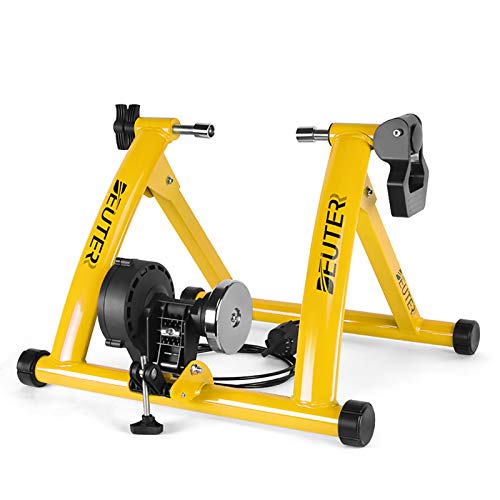
CXWXC Magnetic Bike Trainer Stand 26-29 inch 700C

ThinkRider X2Max Smart Bike Trainer 2000W

Sportneer Magnetic Bike Trainer 26-28 inch 700C
Inside Each Recommended Option
ThinkRider XXPRO Smart Bike Trainer 2500W Black suits riders who want strong resistance without a wall outlet during a session. Self-power generation means pedaling supplies electricity, so setup stays simpler in a spare room or garage. That direct-drive design, meaning the motor drives the rear wheel without a belt, also removes calibration steps. A power adapter and plug are included for plug-in use as well.
Unlike the ThinkRider X2Max Smart Bike Trainer 2000W, this model reaches 2500W and a 25% simulated gradient, which covers steep virtual climbs. ANT+ and BLE are wireless protocols that link sensors and apps, and both are supported here alongside bike computers. For most apartments, the honest read is that high power suits sprint intervals, while casual riders rarely need that ceiling. Downhill simulation adjusts automatically with map slope for a more realistic scene.
Useful Touches
- 2500W maximum power handles hard sprint intervals
- 25% simulated gradient covers steep virtual climbs
- Self-power generation reduces outlet dependence
- Direct motor drive with plus or minus 1% accuracy
- ANT+ and BLE connect to Zwift and bike computers
Things To Consider
- High output suits strong riders more than casual spinning
- Direct-drive setup needs a compatible rear wheel arrangement
Wahoo KICKR CORE 2 Zwift Cog and Click targets newcomers to virtual riding who want a single-cog setup. Zwift Cog replaces a traditional cassette, meaning gear changes happen through a click shifter rather than a derailleur. Integrated WiFi handles pairing and automatic updates, which reduces Bluetooth dropouts during a session. The design builds on the original CORE with faster setup and better connectivity.
You get a simpler drivetrain to maintain, and the Click controller sits within thumb reach on the handlebar. Compared with the Wahoo KICKR CORE 2 11 Speed Cassette version, this setup trades gear range for simplicity. Smooth resistance suits hard efforts and structured training. Orange Cog styling marks this third generation version clearly on the listing.
Positive Points
- Single-cog system simplifies shifting and maintenance
- Click shifter keeps control on the handlebar
- Integrated WiFi supports faster pairing and updates
- Road-like resistance feel for structured workouts
Worth Noting
- Single gear limits range compared with cassette models
- Zwift Cog system suits Zwift Ride integration best
Who It Suits Best
New riders starting Zwift who prefer simple controls over multiple gears.
Where Another Pick Suits Better
Wahoo KICKR CORE 2 11 Speed Cassette suits riders who want full gear range for varied terrain.
Wahoo KICKR CORE 2 11 Speed Cassette keeps a familiar 11-speed drivetrain for riders who already own a cassette. That familiarity matters for shifting feel and for using existing chains without extra parts. Integrated WiFi supports faster pairing and automatic updates in an active network. The updated CORE adds key features from the wider KICKR range.
Unlike the Zwift Cog version, this model preserves multiple gears for variable resistance during structured intervals. Road-like resistance feel comes from the KICKR system, which suits hard efforts and steady training alike. Cassette compatibility needs checking against the bike drivetrain before ordering. Stable setup helps during long indoor sessions.
Everyday Advantages
- 11-speed cassette keeps familiar shifting feel
- Integrated WiFi supports faster pairing and updates
- Smooth resistance suits structured training sessions
Trade Offs
- Cassette compatibility must match the bike drivetrain
- More drivetrain parts than a single-cog setup
- Setup takes longer than the Cog and Click version
CXWXC Magnetic Bike Trainer Stand 26-29 inch 700C offers a folding magnetic stand for riders who want basic indoor spinning. Magnetic resistance uses magnets to create drag on the rear wheel, and six levels adjust from a handlebar lever. A pyramid frame and 330-pound capacity support stable use across road and mountain wheel sizes from 26 to 29 inches, including 700C. Quick-release skewer and front wheel riser block are included.
You can fold the stand for storage and clamp the rear axle with the quick-release skewer, with no extra tools needed. Compared with the Sportneer Magnetic Bike Trainer 26-28 inch 700C, this model covers a wider wheel range. Smooth tires help reduce vibration and indoor resonance during sessions. Mountain bike tires with rough tread tend to sound louder on any wheel-on trainer.
Noteworthy Benefits
- Six resistance levels adjust from the handlebar
- Folding design stores in limited space
- Supports 26 to 29 inch wheels and 700C
- Pyramid frame supports up to 330 pounds
- Quick-release skewer and riser block included
Minor Gripes
- Manual resistance lacks smart app control
- Rough mountain tires increase noise indoors
ThinkRider X2Max Smart Bike Trainer 2000W delivers smart resistance for riders who want virtual routes without the higher output of the XXPRO. BLE and ANT+ dual protocols connect to mainstream cycling software, including Zwift. An I-beam triangular structure helps balance and stability while riding. Dynamic electromagnetic torque measurement gives power up to 2000W with plus or minus 2% error.
Your ears matter here: noise sits around 58dB at 30km/h, which suits shared living spaces better than louder wheel-on trainers. Unlike the XXPRO, this model caps at 2000W and an 18% simulated slope, a lower ceiling for steep climbs. Variable resistance matches map slope automatically in connected software. That balance suits regular training without sprint-level demands.
Key Advantages
- 2000W power with plus or minus 2% accuracy
- 18% simulated slope matches virtual routes
- 58dB noise at 30km/h suits shared spaces
- BLE and ANT+ connect to Zwift and other apps
Room For Improvement
- Lower gradient ceiling than the XXPRO model
- Power accuracy is wider than the XXPRO rating
Made For
Riders in shared spaces who want smart resistance at moderate noise.
Consider Something Else When
ThinkRider XXPRO Smart Bike Trainer 2500W Black suits riders needing higher power and steeper gradients.
Sportneer Magnetic Bike Trainer 26-28 inch 700C provides a straightforward magnetic stand for home workouts and winter training. Six resistance levels switch from a bar-mounted remote, so intensity changes happen without stopping. Five adjustable anti-slip feet and a wide base help on uneven floors. Quick-release lever and front wheel riser block are included in the standard version.
You can release the bike quickly with the press-down lever clamp, which speeds transitions to outdoor rides. Compared with the CXWXC model, this stand lists a narrower wheel range but includes a front wheel riser block. Magnetic wheel design reduces friction for a smoother spin. Slick or road tires help keep noise lower than knobby tires.
Benefits That Matter
- Six levels switch from a bar-mounted remote
- Wide base and anti-slip feet improve stability
- Quick-release clamp speeds bike mounting
- Front wheel riser block included for level setup
Points To Note
- Wheel range stops at 28 inches, unlike CXWXC
- Thru-axle bikes need the non-standard version
What Matters Most Before Choosing Cycling Trainers
Power Data And Resistance
Smart trainers report power and adjust resistance to match virtual slopes. You should check maximum power and gradient against training goals, since sprint work needs more headroom than steady rides. Accuracy ratings such as plus or minus 1% or 2% affect how structured workouts compare across sessions.
Noise And Space
Wheel-on magnetic stands tend to sound louder with knobby tires, while direct-drive and quiet smart models suit shared rooms better. Folding stands store in a closet, and direct-drive units often stay mounted in a dedicated corner. Floor type matters too, since a mat can reduce vibration on hard surfaces.
Setup And Compatibility
Connectivity decides which apps work, with BLE and ANT+ covering most cycling software and WiFi adding faster pairing on some Wahoo models. Drivetrain choice matters as well, because a cassette model needs matching gears while a single-cog system simplifies setup. Wheel size and axle type need checking before ordering, especially for thru-axle bikes.
Wheel Fit And Storage
Manual stands in this list fit 26 to 29 inch wheels or 700C, with narrower ranges on some models. Folding frames suit riders who store the trainer between sessions, while smart direct-drive units suit a permanent training spot. Front wheel riser blocks help level the bike on wheel-on stands.
Key Considerations Across These Picks
Common Shopping Slip Ups
Many shoppers match a trainer to a bike without checking wheel size, axle width, or cassette compatibility first. Another common slip is expecting smart features from a manual magnetic stand, which has no app connection. Checking those three details before ordering prevents most returns.
What The Higher Tier Buys
Higher-tier smart models add direct drive, self-power generation, and steeper gradient simulation. Those features support sprint power, realistic climbs, and simpler setup in a spare room. Basic magnetic stands remain a practical choice for steady indoor spinning without virtual routes.
Frequently Asked Questions
What is the difference between smart and magnetic trainers?
Smart trainers connect to apps and adjust resistance automatically for virtual routes. Magnetic stands use manual resistance levels controlled from the handlebar.
Which trainer suits Zwift riding?
Models with BLE, ANT+, or WiFi connectivity suit Zwift and similar apps. The Wahoo Cog version and ThinkRider smart models list that compatibility.
Can a trainer fit a mountain bike?
Wheel size and tire tread decide fit for mountain bikes. Slick tires reduce noise, and wheel ranges listed here cover 26 to 29 inches on some models.
How loud are indoor trainers in shared spaces?
Noise depends on tire type and trainer design. The X2Max lists around 58dB at 30km/h, while rough tires raise noise on wheel-on stands.
What should be checked before ordering?
Wheel size, axle width, and drivetrain compatibility need checking first. Connectivity requirements for a chosen app also matter for smart models.
Final Verdict
For virtual riding, the Wahoo KICKR CORE 2 Zwift Cog and Click suits simple setup, while the ThinkRider XXPRO suits high power needs. For basic indoor spinning, the CXWXC and Sportneer stands cover manual training well. You can narrow the choice by matching power, noise, and drivetrain to the planned routine.