
A cycling speedometer earns its place on the handlebar when speed, distance, and time stay legible at a glance. Commuters need quick checks at traffic lights, while weekend riders want elevation and route data without extra sensors. You get a clear split in this lineup between standalone GPS units and wired wheel-sensor models, and your setup decides which approach fits.
The Lineup, Simplified

BKVTOP Wireless GPS Bike Computer 50g Out-Front Mount

BKVTOP Wireless GPS Bike Computer 50g 2.4 Screen

CYCPLUS Wireless GPS Bike Computer G1 70g

CYCPLUS GPS Wireless Bike Computer M1 2.9 LCD Screen

Hilceriy Wired Bike Computer MPH KM/H Automatic Wake-Up
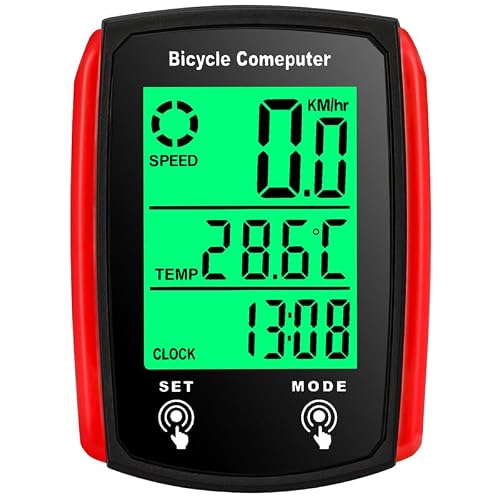
huiyingbb Cycling Computer Speed Sensor Waterproof LCD Red
Meet The Standout Selections
Out-front placement puts data ahead of the stem, where a glance lands naturally during a commute. Built-in GPS records speed, distance, and time without a wheel sensor, which simplifies fitting on a second bike. Riders who swap between bikes benefit from that sensor-free setup.
Altitude, gradient, accumulated ascent, and temperature add context on hilly routes. The green automatic backlight helps on early starts, and Auto Start Stop reduces manual button work. On longer weekend rides, the 28-hour runtime gives comfortable headroom.
Everyday Perks
- GPS tracking without wheel sensor or spoke magnet
- 50g weight keeps handlebar load minimal
- 2.4-inch LCD layout keeps key numbers readable
- IPX7 rating supports riding in rain
- MPH and KMH unit selection for local preference
Things To Consider
- Standalone GPS design, no app or external sensor connection
- Out-front mount adds length ahead of the handlebar
Same core GPS idea as the out-front version, paired with a standard mount for a tidier cockpit. You get current, average, and maximum speed plus distance and ride time on a 2.4-inch display. That standard placement suits riders who prefer the computer centered on the bars.
Elevation data, gradient, and accumulated ascent help explain climbs on longer routes. Automatic backlighting supports low-light rides, and the 50g body keeps the setup light. Depending on route length, the 28-hour runtime stretches across a full week of commutes.
A Few Highlights
- Standard mount keeps the cockpit compact
- GPS data without extra wheel hardware
- Altitude and gradient for hill awareness
- IPX7 water rating for wet weather
Worth Noting
- No app connection or external sensor support
- Screen size is smaller than the CYCPLUS M1
Who It Suits Best
Commuters and leisure riders who want GPS data with a conventional handlebar position.
Where Another Pick Suits Better
CYCPLUS GPS Wireless Bike Computer M1 2.9 LCD Screen suits riders who need app sync and sensor data.
Long runtime defines this pick, with a 1200mAh battery rated beyond 55 hours. GPS positioning tracks route, distance, time, total mileage, clock, and altitude. Riders logging multi-day touring stretches get fewer charging stops.
The 2.0-inch FSTN screen stays readable in sunlight, and an automatic backlight handles night riding. Tempered glass adds scratch resistance for daily handlebar exposure. Compared with the BKVTOP models, the smaller screen trades legibility for endurance.
A Few Strong Suits
- 1200mAh battery with extended working time
- FSTN display designed for sunlight visibility
- Tempered glass screen surface
- Automatic sleep after 10 minutes idle
Trade Offs
- 2.0-inch screen is smaller than larger alternatives
- 70g weight exceeds the 50g BKVTOP units
- IPX6 rating sits below IPX7 on the BKVTOP models
Screen size sets this model apart, with a 2.9-inch LCD that shows more data fields at once. Four-satellite positioning and Bluetooth sync support route review through the CYCPLUS FIT app and Strava. Structured training riders get the deepest data set here.
ANT+ sensor sync adds speed, cadence, heart rate, power, and altitude from compatible sensors. Automatic backlighting adjusts around sunrise and sunset, and the 1200mAh battery runs beyond 60 hours. The honest read is that extra connectivity adds setup steps compared with standalone BKVTOP units.
The Upside
- 2.9-inch screen for dense data layouts
- Bluetooth and ANT+ sensor connections
- App sync for route and ride review
- 1200mAh battery, over 60 hours runtime
- Tempered glass with sunlight-readable display
Minor Gripes
- Time zone setup needed before first use
- Sensor and app features add configuration time
Wired operation keeps the focus on core numbers: current, average, and maximum speed, plus time and distance. Calorie statistics and temperature round out the display for fitness-focused riders. You get a straightforward setup with a sensor and magnet on the wheel.
Automatic wake-up resumes after three minutes without signal, and manual backlight activation helps in tunnels. IPX6 construction supports rain riding. Compatibility checks matter here, since some electric-assist bikes fall outside the supported range.
Bright Spots
- Core speed, time, and distance tracking
- Automatic wake-up after standby
- Manual backlight for dark paths
Room For Improvement
- Wired sensor requires careful alignment and routing
- Some electric-assist bikes may not be compatible
Made For
Riders who want basic wired tracking without GPS or app features.
Consider Something Else When
BKVTOP Wireless GPS Bike Computer 50g Out-Front Mount suits riders who prefer GPS without wheel wiring.
Two-button control keeps operation simple, with speed, distance, travel time, and total mileage on a backlit LCD. Automatic stop timer pauses timing at stops, so recorded time reflects moving time. Casual riders get the essentials without layered menus.
Auto wake-up starts the display with bike movement, and tire size customization helps keep measurements aligned. IP67 construction covers rain, dust, and splashes. Compared with the Hilceriy wired model, the feature set leans more toward basic tracking.
The Practical Payoff
- Two-button interface for quick changes
- Automatic stop timer for moving time
- Backlit LCD for low-light readability
- IP67 water rating for wet conditions
Points To Note
- Wired design needs sensor and magnet placement
What Matters Most Before Choosing a Cycling Speedometer
GPS Versus Wheel Sensor
GPS units track position and speed from satellites, so no wheel hardware is needed. Wired models measure wheel rotation, which gives immediate speed response and works under tree cover. Your riding routes decide which method stays reliable.
Screen Size and Mount Position
A 2.9-inch display shows more fields than a 2.0-inch unit, and that difference matters at speed. Out-front mounts place data in the natural eye line, while standard mounts keep the cockpit shorter. Check stem length and cable routing before committing to a mount style.
Battery and Water Rating
Runtime ranges from 28 hours on the BKVTOP models to over 60 hours on the CYCPLUS M1. IPX6 and IPX7 ratings both support rain, with IPX7 offering stronger water protection. Longer tours reward larger batteries, while daily commuters recharge more often anyway.
Connectivity Needs
Standalone GPS computers record rides on the device alone. Bluetooth and ANT+ models sync with apps and sensors for cadence, heart rate, and power. Extra connectivity helps structured training, while simple tracking needs far less setup.
Key Considerations Across These Picks
Common Shopping Slip Ups
Overlooking mount style causes more regret than screen specs. Confirm stem clearance for out-front mounts and tire size settings for wired models. A quick compatibility check before ordering saves return trips.
What The Higher Tier Buys
Higher-tier units add larger screens, sensor sync, and longer battery life. Those upgrades pay off for riders who review training data after each ride. Simple speed and distance needs rarely justify the extra complexity.
Frequently Asked Questions
Does a GPS computer need a wheel sensor?
No, built-in GPS models track speed and distance from satellite signals. Wired models use a wheel sensor and magnet instead.
Which screen size works for quick glances?
Larger screens, such as 2.9 inches, display more fields at once. Smaller screens keep the unit compact but show fewer numbers.
How long does the battery last on these models?
Runtime ranges from up to 28 hours to over 60 hours depending on the model. Larger batteries suit longer tours between charges.
Can these computers handle rain?
Yes, ratings from IPX6 to IPX7 support riding in rain. IPX7 models offer stronger water protection for wet commutes.
Do any models connect to apps or sensors?
Yes, the CYCPLUS M1 supports Bluetooth and ANT+ connections. Standalone BKVTOP models record data on the device without app sync.
Final Verdict
Your best match depends on tracking method, screen size, and connectivity needs. GPS models suit riders who want sensor-free setup, while wired models cover basic speed and distance needs. Match the mount and battery to riding habits, and the right choice becomes clear.