
Long rides punish feet that lack support inside stiff cycling shoes, and hot spots often start at the forefoot and arch. You need an insert that stabilizes the heel, supports the arch, and keeps pressure spread across the ball of the foot during repeated pedal strokes. The picks below cover dedicated cycling designs alongside general sport inserts, so you can match arch height, thickness, and shoe volume to your own riding style.
A Snapshot Of The Selections

Dr. Scholl’s Sport Insoles Arch Support Inserts for Men

CURREX BikePro Insoles for Cycling Medium Arch Large

Cycling Riding Shoes Insoles High Arch Large

Ergon IP Pro Solestar
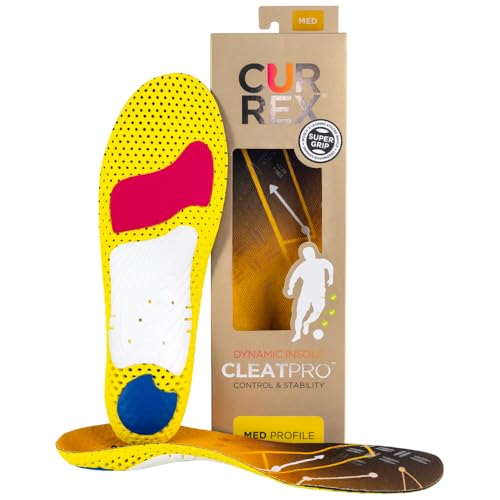
CURREX CLEATPRO Thin Arch Support Insoles Medium Arch L

EZQF Low Volume Cycling Insoles L
Taking A Closer Look At The Options
A general sport insert can work in cycling shoes when volume allows, and this Dr. Scholl’s option leans on gel cushioning and arch support for men sized 8 to 14. You get flexible side-to-side support for movement that shifts direction, which helps on mixed rides and off-bike walking.
Compare that approach with dedicated cycling inserts later in the list, which use thinner profiles for stiff shoes. This pair measures 4.79 by 2.09 by 14.09 inches, so trimming and checking heel clearance matters before a long ride. For riders using sneakers for fitness classes, the broader sport focus fits naturally.
Practical Advantages
- Gel cushioning spreads shock through the midfoot during pedaling
- Arch support helps distribute pressure across the footbed
- Flexible sides allow natural movement in varied directions
- Sized for men’s shoes 8 to 14 for easier matching
- Works across fitness classes and athletic activities
Things To Consider
- General sport shape may feel bulky in snug cycling shoes
- Trimming to fit changes the profile, so check toe and heel space first
Who It Suits Best
Best for men in roomier athletic shoes who need shock absorption during training and fitness sessions.
Where Another Pick Suits Better
CURREX BikePro Insoles for Cycling Medium Arch Large suits riders in stiff cycling shoes who need metatarsal support.
Dedicated cycling geometry sets this CURREX option apart, with metatarsal pads positioned under the ball of the foot to spread forefoot pressure. You benefit from a deep heel cup that wraps the heel and reduces slipping inside the shoe during hard efforts.
Unlike the Dr. Scholl’s sport insert, this design targets pedal transfer and knee alignment through midfoot support. A mesh top layer and foam cushioning run heel to toe, while the maker suggests replacement after 500 plus miles or 12 months. That replacement interval helps plan ownership costs over a season.
Good Reasons To Consider
- Metatarsal pads spread pressure under the ball of the foot
- Deep heel cup locks the heel for steadier pedaling
- Mesh top layer supports moisture management on long rides
- Full-length cushioning absorbs shock from road and trail
- Arch profiles help match low, medium, and high support needs
- Designed for road, stationary, and mountain riding
Worth Noting
- Large size covers men’s 9 to 10.5 and women’s 10.5 to 12, so size checks matter
Cut-to-fit flexibility gives this SOPROM option a practical edge for riders between standard sizes. You can trim the shape to match the shoe last, which is the internal form that determines width and toe room.
Compared with CURREX BikePro, this insert emphasizes breathable mesh and perforations for airflow on warm rides. High-rebound pads sit at forefoot and heel for shock absorption, and a deep heel cup helps keep the foot centered. Arch height choice comes in low, medium, and high versions.
Useful Highlights
- Trim-to-shape design helps match unusual shoe lasts
- Breathable mesh top wicks sweat during longer rides
- Perforated base improves airflow inside the shoe
- Deep heel cup stabilizes foot position while pedaling
Trade Offs
- Arch height must be confirmed before ordering the correct version
- Trimming requires careful measuring to keep left and right shapes even
- Large size covers men’s 9 to 10.5 and women’s 10.5 to 12
Ergon and Solestar shaped this insert for road, gravel, cross-country, triathlon, and fitness use, with a nylon fabric top that grips the foot. You get orthopedic support aimed at efficient movement, with EVA foam, a closed-cell material that resists moisture absorption, under the top layer.
That construction differs from the mesh and gel approaches in earlier picks, trading softness for a firmer, grippier surface. The flexible arch support insole stabilizes the foot on road and mountain bikes without adding a thick cushion stack. Size 40/41 and included left and right pieces simplify setup for matching feet.
Strengths Worth Knowing
- Nylon top layer provides grip inside cycling shoes
- Closed-cell EVA foam resists moisture during sweaty rides
- Flexible arch support stabilizes the foot for efficient movement
Minor Gripes
- Size 40/41 limits fit to a narrower range of feet
- Firmer foam may feel less cushioned than gel inserts on rough roads
Thinness defines this CURREX CLEATPRO insert, built for cleats in soccer, football, baseball, and softball rather than cycling shoes. You get a decoupled heel cup that wraps the heel in narrow footwear, plus a SuperGrip surface that keeps the foot connected to the shoe.
Compared with BikePro, this version trades cycling metatarsal pads for forefoot cushioning aimed at rapid acceleration and turns. A bamboo midlayer helps manage moisture, and the insert can be trimmed for fit. Replacement guidance mentions 500 plus miles or visible top layer wear.
Standout Benefits
- Thin profile fits narrow cleats and spikes
- Anti-slip surface improves connection between foot and shoe
- Bamboo midlayer helps manage moisture during play
- Forefoot cushioning supports explosive strides and turns
- Trimming allows a closer match to cleat shape
Room For Improvement
- Cleat-focused design differs from cycling shoe geometry
- Medium arch and large size limit choices for other arch types
- Top layer wear signals replacement, so inspect the surface regularly
Made For
Made for athletes in narrow cleats who need grip, cushioning, and heel stability during field sports.
Consider Something Else When
EZQF Low Volume Cycling Insoles L suits cyclists who need low-volume support inside snug cycling shoes.
Low volume construction targets snug cycling shoes where thicker inserts cause pressure at the top of the foot. You get AutoAdapt memory foam that responds to foot shape, paired with arch and heel zones for stability during long rides.
Unlike the Ergon IP Pro Solestar, this layered design adds a Poron foam heel platform for walking transitions off the bike. A PosiLink forefoot shell spreads pressure to support pedal transfer on road, mountain, and indoor rides. That off-bike cushioning helps during stops and travel between rides.
The Practical Payoff
- Low volume profile fits snug performance cycling shoes
- Memory foam adapts to individual foot shape
- PosiLink shell spreads forefoot pressure for pedal transfer
- Poron heel platform cushions walking during transitions
Points To Note
- Large size listing requires checking foot length before ordering
- Layered build may still feel thick in extremely tight shoes
Fit Factors That Shape Every Ride
Arch Height And Shoe Volume
Arch height changes how pressure moves from the midfoot to the forefoot during each stroke. You need a profile that fills the gap under the arch without crowding the top of a stiff shoe. Low, medium, and high options exist because feet and shoe lasts differ across riders.
Thickness And Pedal Feel
Thicker cushioning feels softer at first, while thinner builds keep the foot closer to the pedal. Road riders often prefer a firm, low stack for efficient transfer, and indoor riders may accept more padding for comfort. Heel cup depth matters in both cases because it keeps the foot centered during standing efforts.
Size And Replacement Timing
Size ranges vary by maker, and trimming can refine width and length for a closer match. You should check top-layer wear and mileage guidance, since compressed foam changes support over time. A pair that fits today can feel different after months of regular riding.
Key Considerations Across These Picks
Common Shopping Slip Ups
Ordering by shoe size alone causes many mismatches, because arch height and shoe volume drive fit more than length. Skipping a heel-clearance check before trimming also creates pressure at the top of the foot.
What The Higher Tier Buys
Higher-tier designs often add metatarsal pads, deeper heel cups, and firmer EVA foam for steadier pedal transfer. The extra cost makes sense for riders logging long distances in stiff shoes, while casual riders gain less from those details.
Frequently Asked Questions
Do cycling inserts fit regular athletic shoes?
Some general sport inserts fit roomier athletic shoes, while dedicated cycling inserts suit stiff, low-volume shoes. Checking shoe volume and heel clearance helps match the right profile.
How do metatarsal pads help during cycling?
Metatarsal pads sit under the ball of the foot and spread forefoot pressure. That spread can reduce hot spots during repeated pedal strokes on long rides.
When should cycling insoles be replaced?
Replacement timing depends on mileage, top-layer wear, and foam compression. Some makers suggest replacement after 500 plus miles or 12 months, so the listing guidance matters.
Can trim-to-fit insoles improve shoe fit?
Trimming can refine length and width to match a specific shoe last. Careful measuring keeps both sides even and avoids uneven pressure under the foot.
Which arch height suits most riders?
Arch height depends on foot shape and shoe design rather than a single standard. You should compare low, medium, and high profiles against the gap under the arch inside the shoe.
Closing Remarks
For dedicated cycling shoes, CURREX BikePro and EZQF Low Volume stand out for different reasons, with metatarsal support on one side and low-volume memory foam on the other. You can match the choice to shoe volume, arch needs, and riding distance without overcomplicating the decision.