
Cadence data shows how often your legs turn the cranks each minute, and that number helps you hold an efficient rhythm on climbs, in group rides, and on indoor trainers. You get a steadier view of effort when speed alone cannot explain why a hill feels harder. The five options below differ mainly in dual-mode switching, mounting, and device compatibility, so matching the sensor to your computer or app matters more than chasing extra features.
A Fast Comparison Of The Options
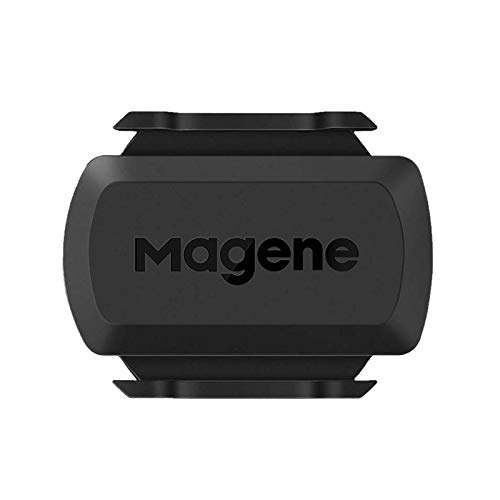
Magene Speed/Cadence Sensor for Cycling Bluetooth/ANT+

CYCPLUS Cycling Speed & Cadence Sensor Bluetooth ANT+

Garmin Cadence Sensor 2 Black
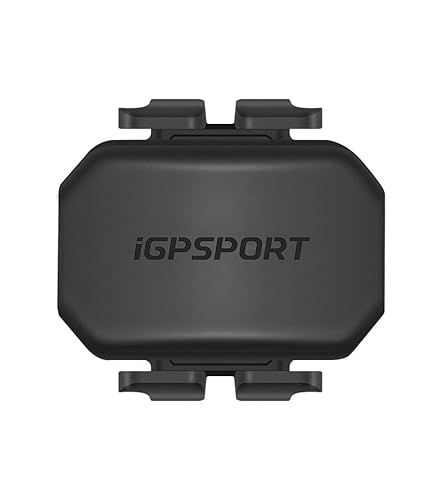
iGPSPORT CAD70 Cycling Cadence Sensor Bluetooth ANT+

COOSPO Cadence & Speed Sensor Bluetooth ANT+
More Details On Our Top Picks
The Magene option suits riders who want one small sensor to cover road bikes, spinning bikes, and trainers across different setups. Bluetooth Low Energy, the short-range wireless standard used by phones and many computers, handles a single app connection at a time, while ANT+, the longer-established cycling protocol, can feed several devices together. That split matters during a busy indoor session where a phone and a head unit may both need data.
A single unit runs in speed mode or cadence mode, not both together, and switching modes means reinstalling the battery. Sleep starts after one minute without movement, which helps preserve charge between rides. In our view, the trade-off is clear: flexibility across bikes, with a small setup step each time the mode changes.
The Good Stuff
- Bluetooth and ANT+ cover phones, computers, and trainers
- Works across road, spinning, and trainer setups
- Automatic sleep conserves battery between rides
- Compact sensor moves easily between bikes
Things To Consider
- One sensor cannot report speed and cadence together
- Bluetooth links to one app or device at a time
- Pairing starts inside the app, not phone Bluetooth settings
At 9.2 grams and 38 by 29.5 by 9.5 millimeters, the CYCPLUS unit barely changes the look of a frame. A toggle switch changes between speed and cadence positions, which feels quicker than removing a battery. Your setup stays tidy on a road bike where every small bracket and strap shows.
Installation uses an elastic band and double-sided tape, with no magnet or calibration step. The listed 300 hours of use and 300 days of standby suit regular training blocks, and sleep mode engages when the sensor stops moving. The honest read is that simultaneous speed plus cadence still needs two sensors, unlike a crank-mounted cadence-only design.
Strengths Worth Knowing
- Ultra-light 9.2g body adds minimal weight
- Switch changes mode without opening the case
- 300-hour use suits long training blocks
- IP67 sealing handles wet rides
- Tool-free mounting moves between bikes
Worth Noting
- Speed and cadence modes run one at a time
- Tape and band fit needs checking on each frame shape
Who It Suits Best
Riders who value a low-profile sensor for road bikes and frequent bike swaps.
Where Another Pick Suits Better
Garmin Cadence Sensor 2 Black suits riders who want crank-arm mounting and Garmin device pairing.
Garmin takes a narrower path here, focusing only on cadence from the crank arm rather than speed from a wheel hub. That focus brings listed accuracy of plus or minus 0.5 rpm, a useful detail for structured intervals where small rhythm changes matter. You can send data through ANT+ and Bluetooth Low Energy to Garmin Connect, training apps, and compatible fitness equipment.
Compatibility lists many Garmin watches and Edge computers, from Fenix and Forerunner to Venu and Instinct lines. No magnets or exposed alignment parts simplify moving the sensor between bikes. The trade-off is scope: speed measurement is absent, so riders needing both metrics need a separate sensor.
Useful Strengths
- Crank-arm mounting fits any crank size
- Listed accuracy of plus or minus 0.5 rpm
- ANT+ and Bluetooth Low Energy connections
- Wide Garmin device compatibility
Trade Offs
- Cadence-only design, with no speed function
- Best value inside a Garmin setup
The CAD70 keeps things straightforward with a cadence-only role and Bluetooth 5.0 plus ANT+ transmission. Its 7.8-gram body and 36 by 34 by 7.7 millimeter size sit flat against the bike, and the thin profile helps protect the frame from scratches. You can connect it with most bike computers and spin bikes on the market.
Battery life is listed at 300 hours, with a CR2025 cell and a simple structure for replacement. IPX7 sealing covers rainy rides, and the wireless range is listed as more than 3 meters. Nothing flashy here, but the package includes a silicone strap, battery, and manual, which keeps setup simple.
Useful Highlights
- Bluetooth 5.0 and ANT+ broaden device pairing
- Thin 7.7mm profile fits close to the frame
- 300-hour battery supports regular training
- IPX7 sealing suits wet weather rides
Minor Gripes
- Cadence-only, with no speed measurement
- Range listed as more than 3 meters
COOSPO leans into app variety, with compatibility named for Zwift, Peloton, Rouvy, RideWithGPS, Cyclemeter, and Coosporide. Your indoor setup can use Bluetooth for one app or device at a time, while ANT+ can connect to multiple devices together. That distinction helps on a trainer where a phone and a computer may run at once.
Mode changes happen by switching the battery, with a blue LED lighting for three seconds in cadence placement on the crank and a red LED for speed placement on the axle. Two modes cannot run together, and the Wahoo app connects only one COOSPO sensor at a time. For most indoor riders, that limit is manageable, but multi-sensor setups need a check first.
Real-World Strengths
- Broad fitness app compatibility for indoor rides
- ANT+ supports multiple devices together
- LED signals confirm the selected mode
- Works with several COOSPO bike computers
Small Caveats
- Speed and cadence modes cannot run together
- Bluetooth connection covers one device at a time
- Wahoo app limits connection to one sensor
Made For
Indoor riders using Zwift, Peloton, Rouvy, or similar training apps.
A Better Fit Elsewhere
iGPSPORT CAD70 Cycling Cadence Sensor Bluetooth ANT+ suits riders who want a thinner cadence-only sensor with IPX7 sealing.
What Matters Most Before Choosing a Sensor
Single Mode Versus Dual Metrics
Dual-mode units switch between speed and cadence, while cadence-only units stay focused on pedal rhythm. Riders who train indoors often want both numbers, so two sensors may be needed for simultaneous readings. A crank-mounted cadence sensor gives cleaner pedal data, while a hub-mounted speed sensor tracks wheel rotation.
Connection Protocol Fit
Bluetooth suits a phone app, and ANT+ suits many bike computers and multi-device setups. You should confirm the protocol your head unit or trainer app supports before ordering. Pairing usually starts inside the app rather than through phone Bluetooth settings.
Mounting and Battery Ownership
Crank-arm, hub, elastic band, and tape mounting each suit different frames and bikes. Battery life figures such as 300 hours affect how often a CR2032 or CR2025 cell needs replacement. Sleep mode helps, but a sensor left on a bike in storage still needs periodic checks.
Key Considerations Across These Picks
Common Shopping Slip Ups
Assuming one sensor will show speed and cadence together causes many mismatches. Checking app limits, such as one Bluetooth connection at a time, prevents setup frustration later.
When Paying More Pays Off
Higher-tier options often add tighter stated accuracy, broader device lists, or crank-arm fit across sizes. That extra spend makes sense for structured training inside one ecosystem, less so for a simple indoor setup.
Frequently Asked Questions
Can one sensor show speed and cadence at the same time?
Most dual-mode sensors in this list run one mode at a time. Two sensors are needed for simultaneous speed and cadence readings.
What is the difference between Bluetooth and ANT+?
Bluetooth typically connects to one app or device at a time. ANT+ can connect to multiple devices at the same time.
Where does a cadence sensor mount?
Cadence sensors mount on the crank arm or crank area. Speed sensors mount on the wheel hub or axle area.
How do you pair the sensor with a phone app?
Search for the sensor inside the app itself. Searching through phone Bluetooth settings alone will not complete pairing.
Which option suits a Garmin setup?
Garmin Cadence Sensor 2 Black lists compatibility across many Garmin watches and Edge computers. Its crank-arm mounting and stated accuracy suit structured training.
Closing Thoughts
Match the sensor to the device ecosystem first, then decide between dual-mode flexibility and cadence-only focus. CYCPLUS suits weight-conscious riders, Garmin suits Garmin users, and COOSPO suits indoor app riders. Your best choice will be the one that pairs cleanly with the computer or app already on the bike.