
A morning commute changes character with an electric bike, especially on a route with hills, traffic lights, and a firm arrival time. Your choice comes down to motor strength, battery size, tire type, and how the bike fits into storage at each end of the trip. The six options below cover those trade-offs in plain terms, from a light city frame to fat-tire models for rougher pavement.
Battery range deserves close attention because the stated figure depends on assist level, rider weight, terrain, and wind. Motor peak output matters for hills and starts, while suspension and tire width shape comfort on broken pavement. Weight and folding design matter just as much for stairs, car trunks, and small storage corners.
A Quick View Of The Lineup

Jasion EB5 Electric Bike 1000W Peak Motor 26 Tire

ASKGO Electric Bike 1500W Peak Motor 26 Mountain Ebike

Jasion RetroVolt Electric Bike 2000W Peak Fat Tire
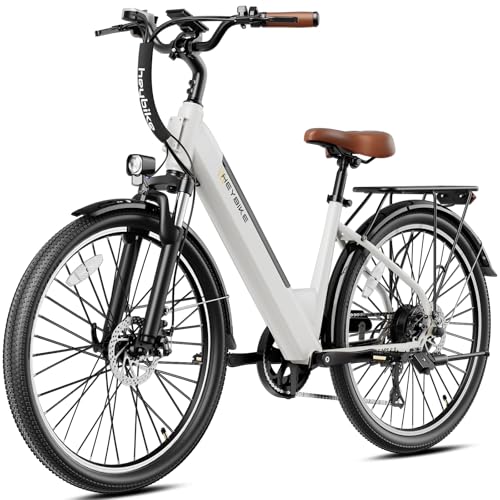
Heybike Cityscape 2.0 Electric Bike Peak 1200W Motor

TST Electric Bike 1500W Peak Motor Fat Tire

LELEKUAI Electric Bike 1200W Peak Motor Commuter Ebike
A Deeper Look At The Lineup
The Jasion EB5 suits a straightforward city commute where a light frame and simple controls matter more than trail hardware. A high-carbon steel frame keeps the shape slim, and the listed weight of 49.6 lbs makes lifting it into a car or up a step far less daunting. That lighter build is the main contrast with the fat-tire models later in this list.
Four riding modes cover distinct needs, from pedal-only riding to throttle-only travel and a low-speed booster mode for walking the bike uphill. The 360 Wh removable battery carries a stated 25 to 40 miles, with charging taking 5 to 6 hours. Front fork suspension, 7-speed gears, and dual disc brakes handle paved streets and light uneven surfaces.
Useful Strengths
- Removable battery allows charging at a desk or hallway outlet
- LCD display shows speed data and adjustable backlight levels
- 26-inch puncture-resistant tires suit paved urban routes
- Dual lights add visibility for evening rides
- Four modes give flexibility across short daily trips
Things To Consider
- Front suspension only, so rough paths feel harsher than dual-suspension picks
- Recommended rider height of 5’4″ to 6’4″ limits fit for shorter riders
Steep hills and mixed surfaces push the ASKGO into a different role from the lighter Jasion EB5. Its 1500W peak motor and 25 MPH top speed give more headroom for climbs, while the 48V 10.4Ah battery carries a stated 45 miles. Recharging takes 6 to 8 hours, so overnight charging fits a daily schedule neatly.
Dual suspension at the front fork and seat post softens bumps that a front-only setup passes through. A 400-lumen headlight, dual disc brakes, and anti-slip tires support riding after dark or on wet pavement. You may find the single-speed drivetrain simpler, though pedaling effort on long climbs relies more on the motor.
What Works In Its Favor
- Dual suspension improves comfort on gravel and cracked roads
- 45-mile stated range covers longer commutes between charges
- Bright headlight helps with unlit stretches at night
- 95% pre-assembled design shortens setup time
Worth Noting
- Single-speed setup limits pedaling range compared with 7-speed models
- Longer 6 to 8 hour recharge needs overnight planning
- Heavier trail-ready build takes more storage space
Who It Suits Best
Commuters with steep hills or weekend trail use who want extra motor headroom.
Where Another Pick Suits Better
The Jasion EB5 Electric Bike 1000W Peak Motor 26 Tire suits riders who prioritize lighter weight on flat city streets.
Long distance and rough surfaces define the RetroVolt, with a 48V 15Ah battery rated for up to 70 miles. That capacity stretches well beyond the 45-mile figure on the ASKGO, which matters for riders who charge less often. A 2000W peak motor with 99Nm torque, meaning rotational force for climbing, supports starts and hills with a load.
Fat tires measuring 20 x 4.0 inches and dual suspension spread the ride across pavement, gravel, and sand. Your route can shift from a beach path to a park road without changing bikes. Five riding modes and a 7-speed drivetrain keep pedal assistance flexible, and a rear seat pad plus 330 lb payload capacity add carrying options.
A Strong Showing
- 70-mile stated range reduces charging frequency on long weeks
- Fat tires improve grip on loose or uneven surfaces
- Large headlight, horn, and rear brake light aid visibility
- 85% pre-installed setup gets the bike rolling sooner
- Rear seat pad supports short passenger trips and cargo
Small Caveats
- 75 lb weight makes stairs and car loading harder
- Wide fat tires need more storage width than slim city tires
Paved-road commuting sits at the center of the Heybike Cityscape 2.0, with a 500W brushless motor and 1200W peak output. Brushless motors run with less friction and wear than older brushed designs, which helps with steady daily use. The 468Wh removable battery carries a stated 50 miles, with throttle-only travel covering 30 to 35 miles.
Seven speeds and front suspension give control without the bulk of a fat-tire frame. You get dual disc brakes, a lighting system, and 26 x 1.95 inch puncture-resistant tires with raised tread for braking grip. That mix feels closer to a traditional city bike than the moped-style RetroVolt.
Where It Delivers
- 468Wh battery balances range and removable charging convenience
- Three working modes separate throttle, assist, and pedal riding
- Puncture-resistant tires lower roadside hassle on city streets
- Dual disc brakes add stopping control in traffic
Points To Note
- Slim tires offer less grip than fat tires on sand or loose gravel
- Range drops in throttle mode compared with pedal assist
Beginner riders get a welcoming setup from the TST, with 90% pre-assembly and three working modes to learn at a comfortable pace. A 750W motor with 1500W peak power handles daily commuting and light off-road riding. The 48V 15Ah removable battery carries up to 60 miles in pedal assist mode and charges in 6 to 7 hours.
Front and rear suspension, meaning cushioning at both ends, softens bumps that reach the seat. Fat tires at 20 x 4 inches add grip on snow, sand, and gravel, while 7-speed gears help on varied terrain. Your load limit reaches 450 lbs, a clear step above the RetroVolt figure, and the bike weighs 66 lbs.
The Value In It
- Dual suspension reduces fatigue on uneven routes
- LCD display tracks speed, distance, and battery level
- High-brightness front light improves night visibility
- Maximum load of 450 lbs supports heavier riders and cargo
- Front and rear mechanical disc brakes give controlled stopping
Areas To Watch
- Throttle mode range of 40 miles is shorter than pedal assist range
- Brakes need inspection and adjustment before each ride
- Fat-tire width takes extra room in a garage or hallway
Made For
Beginners who commute on pavement and explore gravel or sand on weekends.
Look Elsewhere When
The LELEKUAI Electric Bike 1200W Peak Motor Commuter Ebike suits riders who need a foldable frame for small storage spaces.
Storage space drives the LELEKUAI design, with a quick-folding frame built for car trunks, public transit, and small apartments. Fourteen-inch wheels keep the folded size compact, though they ride differently from the 26-inch wheels on the Jasion EB5. Smaller wheels turn quickly in tight city spaces and roll over paved paths with steady handling.
A 560W motor with 1200W peak output reaches 18.6 MPH in the detailed description, with the listing also citing a 20 to 28 MPH range across modes. The 48V 10Ah removable battery carries a stated 32 miles and detaches for indoor charging. Dual disc brakes and pedal assist, meaning motor help while pedaling, cover full electric, assisted, and manual riding.
Practical Pluses
- Foldable frame fits trunks and small storage corners
- Removable battery simplifies charging away from the bike
- Dual disc brakes provide responsive stopping on pavement
- Three riding styles cover electric, assisted, and manual travel
Trade Offs
- 14-inch wheels feel less stable than larger wheels at speed
- 32-mile range suits shorter commutes better than long routes
- Compact frame may feel cramped for taller riders
What To Check Before Commuting On Electric
Range Against Your Actual Route
Match the stated range to your round trip, then leave headroom for hills, wind, and throttle use. You should treat pedal assist figures as the higher estimate and throttle figures as the lower one. A 50-mile rating fits a 20-mile commute comfortably, while a 32-mile rating needs a closer look.
Motor Power and Tire Choice
Peak motor output helps on grades and loaded starts, while tire width shapes grip and comfort. Slim 26-inch tires roll efficiently on pavement, and fat tires handle gravel and sand with more stability. Your surface mix should decide which style earns a place in the garage.
Weight, Storage, and Charging
Frame weight and folded size decide whether stairs, a trunk, or a hallway becomes a daily obstacle. Removable batteries add flexibility because charging can happen at a desk or kitchen outlet. Measure the storage spot before ordering, especially with fat-tire frames.
Key Considerations Across These Picks
Common Shopping Slip Ups
Shoppers often compare peak watts alone and overlook tire size, suspension, and storage dimensions. A strong motor on a frame that does not fit the hallway creates daily friction. Checking rider height, load limits, and charging time prevents most disappointments.
What The Higher Tier Buys
Larger batteries, dual suspension, and fat tires add cost through capacity and hardware. Those upgrades pay off on long routes, rough surfaces, and frequent charging intervals. Short flat commutes gain less from extra power, so a lighter frame may serve better.
Frequently Asked Questions
How far can a commuter ebike travel on one charge?
Stated ranges in this list run from 25 miles to 70 miles depending on the model and riding mode. Pedal assist usually stretches range further than throttle-only riding on the same battery.
Are fat tires better for commuting?
Fat tires add grip and cushioning on gravel, sand, and uneven pavement. Slim tires roll more efficiently and store more easily on smooth city streets.
Can the battery charge away from the bike?
Every model in this list uses a removable battery for separate charging. That design lets charging happen at a desk, hallway, or office outlet without moving the frame.
What speed should you expect for city riding?
Listed top speeds range from 18.6 MPH to 30 MPH across these models. Your actual speed shifts with terrain, load, and assist level on each ride.
Which suspension setup suits rough roads?
Dual suspension at the front and rear softens bumps more than front-only suspension. Seat-post suspension adds comfort while keeping the front fork for steering control.
Closing Remarks
Flat paved routes favor the Heybike Cityscape 2.0, while long mixed routes point toward the RetroVolt. Space-constrained homes benefit from the foldable LELEKUAI. Match range, tires, and storage to your route, and the right choice becomes clear.