
Muddy descents and steep climbs reward a secure connection between shoe and pedal, and that connection shapes control on technical trails. You may want SPD engagement for power transfer, yet a wide platform helps on short, unclipped sections between obstacles. Your choice comes down to body width, release adjustment, and whether a flat side suits mixed footwear.
The Lineup, Simplified

Shimano PDM520 SPD Clipless Pedals Black

SHIMANO PD-ME700 Dual Sided Trail Pedal
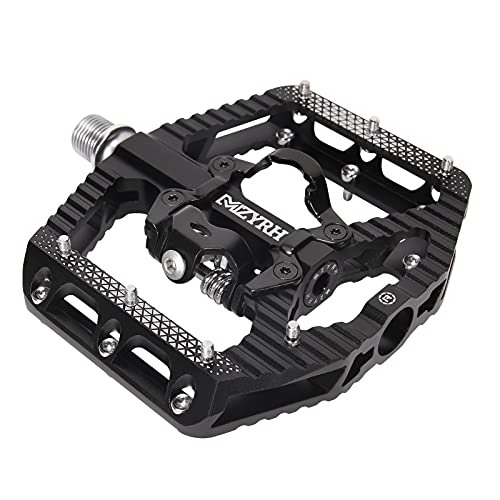
MZYRH MTB 3 Bearing Dual Function SPD Pedals
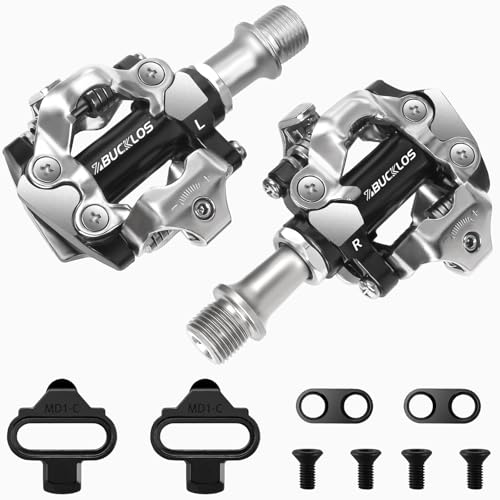
BUCKLOS Bike Clip Pedals MTB Clipless Dual Sided

ROCKBROS SPD Dual Function MTB Pedals

BUCKLOS Mountain Bike Pedals Clip Flat Combo
Inside Each Recommended Option
SPD is a two-bolt cleat system that locks a mountain bike shoe to the pedal for efficient pedaling. You get that focused engagement here in a compact body with an open design that sheds mud more readily than a closed platform. Adjustable tension lets release force match confidence level on steep, technical sections.
The chrome alloy spindle and sealed cartridge bearings support low-maintenance spinning, and the small footprint keeps weight down on long climbs. Compared with the wider ME700 below, this pedal trades platform support for a lighter, more open feel. In our view, that trade suits riders who stay clipped in through most of a ride.
Benefits That Matter
- Open body sheds mud and dirt during wet trail rides
- Adjustable tension and release for personal fit
- Compact design keeps pedal weight low on climbs
- Sealed bearings reduce routine maintenance needs
Things To Consider
- Small body offers little support while unclipped
- SPD shoes required for clipped riding
Dual-sided entry means engagement works from either side of the pedal, a help during cyclocross remounts and stop-sign starts. The wide body adds support while unclipped and shields the binding mechanism from impacts. A chrome-moly spindle, a steel alloy for strength, pairs with sealed bearings for longer service intervals.
Retention claws adjust for release tension, so a newer rider can start lighter and firm up the setting later. Compared with the compact PDM520, this platform feels more planted on mixed terrain, at the cost of extra bulk. Your rides with frequent dismounts gain the most from that added surface.
Real-World Strengths
- Dual-sided entry speeds clipping in from either side
- Wide body supports pedaling while unclipped
- Body shields binding mechanism from trail impacts
- Adjustable retention claws fine-tune release tension
- Chrome-moly spindle with sealed bearings for service life
Worth Noting
- Wider body adds weight compared with compact SPD pedals
- Platform is not a spiked flat side for regular shoes
- Release tension needs checking after initial setup
Who It Suits Best
Trail and all-mountain riders who clip in and out often on mixed terrain.
Where Another Pick Suits Better
Shimano PDM520 SPD Clipless Pedals Black suits riders who prefer a lighter, compact SPD body.
One side clips into SPD shoes, and the opposite side works as a flat platform with stainless steel spikes. You can switch footwear without swapping pedals, a practical setup for riders sharing a bike or riding to the trailhead. The aluminum body measures 113 by 98 millimeters, a broad surface for stability.
Three sealed bearings per pedal help keep water, dust, and sand away from the spindle, and left and right markings simplify installation. Compared with the ME700, this design adds a true flat side instead of a hybrid support body. On muddy routes, spike grip varies with shoe sole, so regular shoes with a stiff sole work better.
Notable Gains
- Dual function covers clipless shoes and regular footwear
- Large 113 by 98 millimeter platform adds stability
- Sealed 3-bearing design guards against water and dust
Trade Offs
- Flat side grip depends heavily on shoe sole type
- Single-sided clipping requires flipping the pedal to engage
Dual-sided SPD engagement works across mountain, road, gravel, hybrid, and indoor training bikes. The CNC aluminum alloy body uses sealed bearings described as waterproof, dustproof, and sandproof for smoother spinning. Side screws adjust entry and release tension to match riding preference.
Left and right markings plus a standard 9/16 inch thread keep installation straightforward on most cranks. You receive cleats and a 6mm wrench in the package, so setup starts without a separate tool purchase. Compared with the MZYRH dual-function option, this pedal stays focused on clipped riding rather than flat-side use.
What Stands Out
- Dual-sided SPD system for several bike types
- Adjustable entry and release tension via side screw
- Cleats and 6mm wrench included in package
- Sealed bearings for smooth, quiet spinning
Minor Gripes
- No flat platform for regular shoes
- Tension adjustment needs a test ride to dial in
- Aluminum body needs care on hard rock impacts
Dual function pairs SPD clipping on one side with a flat platform on the other for regular shoes. Your mixed-footwear setup stays simple, with eight non-slip screws on the flat side for traction. The enlarged platform increases contact area for steadier pedaling on road and trail.
Sealed bearings keep dust and water away from internal parts, and the nylon body keeps weight low. Compared with the aluminum MZYRH option, nylon construction feels lighter but handles severe impacts less well, a trade worth weighing for rocky descents. Tension screw position matters here, so a careful initial adjustment helps.
The Value In It
- Dual function for clipless shoes and regular shoes
- Eight non-slip screws add flat-side traction
- Sealed bearings protect against dust and water
Room For Improvement
- Nylon body less suited to severe impacts
- Tension screw must be set correctly before riding
Made For
Riders on smoother trails and town routes who switch between shoe types.
Consider Something Else When
MZYRH MTB 3 Bearing Dual Function SPD Pedals suits riders who want an aluminum body for rougher terrain.
Clip and flat sides share one pedal, so regular shoes and SPD cleats both have a place. The CNC alloy aluminum body measures 98 by 88 millimeters, a wide platform for stability on mountain, road, gravel, and indoor bikes. Ten anti-skid spikes on the flat side add grip for unclipped pedaling.
Sealed bearings with a gasket design keep water, dust, and sand out, and clamp tension adjusts with a hex wrench for different foot sizes. You can tune entry and release on the single-sided cleat for a personal feel. Compared with the ROCKBROS nylon combo, this aluminum build suits heavier use, though cleats are not included in the package.
Why It Works Well
- Combo design supports regular shoes and SPD cleats
- Ten anti-skid spikes improve flat-side grip
- Adjustable clamp tension fits varied foot sizes
- Sealed bearings with gasket protection against debris
- Wide 98 by 88 millimeter platform for stability
Points To Note
- Cleats are not included in the package
- Single-sided clipping needs pedal flipping to engage
- Hex wrench adjustment takes a few minutes to dial in
What Matters Most Before Choosing Clipless Pedals For Mountain Bike
Platform Width and Shoe Compatibility
Body width shapes support during unclipped moments on rocky sections. You benefit from a wider platform on trail riding, while a compact SPD body suits riders who stay clipped in. Check cleat compatibility first, since SPD shoes and cleats define the system.
Release Tension and Entry Style
Adjustable tension controls how firmly the shoe stays locked and how easily it releases. Dual-sided entry speeds clipping in during remounts, and single-sided designs need a pedal flip. Your riding style, with frequent dismounts or steady climbing, points toward the better entry style.
Material, Bearings, and Thread Size
Aluminum bodies handle impacts differently from nylon, and sealed bearings limit dust and water entry. A standard 9/16 inch thread fits most cranks, so confirm that size before ordering. Weight matters on long climbs, where a lighter pedal reduces fatigue over distance.
Flat Side Grip for Mixed Footwear
Spikes and non-slip screws on a flat side improve traction with regular shoes. Grip depends on sole stiffness, so a firm sole pairs better with spikes. Mixed footwear plans gain flexibility from dual-function designs, while dedicated clipless riders gain a cleaner pedal shape.
Key Considerations Across These Picks
Common Shopping Slip Ups
Shoppers sometimes overlook cleat inclusion, thread size, and flat-side needs. A quick check of those three details prevents a mismatch with shoes or cranks. Tension settings also deserve attention before the first trail ride.
What The Higher Tier Buys
Higher-tier pedals often add stronger spindles, sealed bearings, and refined release mechanisms. Those details pay off on rough terrain and long service intervals. Lighter riders on smooth routes gain less from the upgrade.
Frequently Asked Questions
What does SPD mean on a mountain bike pedal?
SPD is a two-bolt cleat system that locks a compatible shoe to the pedal. It allows efficient pedaling and a secure connection on climbs and descents.
Can a dual-function pedal work with regular shoes?
Yes, the flat side supports regular footwear while the other side clips into SPD shoes. You can switch shoe types without changing pedals on the bike.
How does release tension adjustment help new riders?
Lighter tension makes clipping in and out easier during early rides. Your confidence can grow gradually as tension is increased in small steps.
What thread size fits most mountain bike cranks?
Most cranks use a 9/16 inch thread for pedal spindles. That standard size appears across several options in this lineup.
Are sealed bearings useful for muddy trails?
Sealed bearings help keep water, dust, and sand away from internal parts. That protection supports smoother spinning after wet or dusty rides.
Final Thoughts
Compact SPD pedals suit dedicated clipless riders, while dual-function platforms suit mixed footwear. You can match body width, tension range, and material to trail style and shoe habits. A careful check of cleats and thread size keeps the choice straightforward.