
Mud, roots, and steep climbs make foot position matter on every ride. Clipless pedals lock a cycling shoe to the pedal, so you can pull upward as well as push down. That connection helps on long climbs and rough descents, yet a flat side helps for short stops in regular shoes. The six options below split between pure clip-in designs and dual-sided designs for mixed footwear.
The Choices Worth Comparing
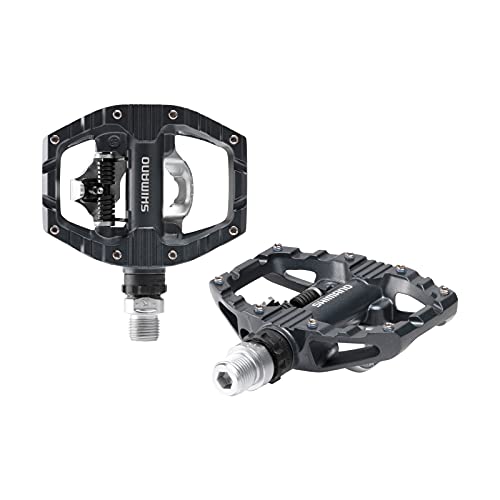
SHIMANO PD-EH500 SPD Flat Dual Sided Pedal

Shimano PDM520 Clipless SPD Bicycle Pedals Black

Crankbrothers Candy 1 Composite Gravel XC MTB Pedal Black

Crankbrothers Mallet E MTB Pedals Matte Black

SHIMANO PD-ME700 Dual Sided Trail All Mountain Pedal
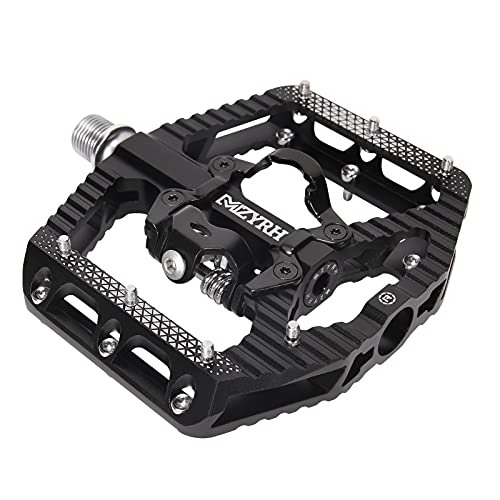
MZYRH MTB Pedals 3 Bearing Dual Function Sealed Clipless Aluminum
More On The Choices That Made The List
SHIMANO PD-EH500 SPD Flat Dual Sided Pedal suits commuters who change shoes between rides. You flip the pedal to match the shoes on your feet that day. One side clips into SPD two-hole cycling shoes, and the opposite side gives a grippy flat surface for sneakers. That split saves a second pedal swap for short urban trips.
SPD refers to a two-bolt cleat system mounted under the shoe. Adjustable cleat tension sets how firmly the shoe stays attached and how easily it releases. A lighter action on the clip side helps with frequent stops at lights. Included SM-SH56 cleats mean the pedal arrives ready for compatible shoes.
What Pays Off
- Dual-sided design covers cycling shoes and flat shoes
- Adjustable tension tunes release feel for stops
- Included cleats remove a separate purchase step
- Lightweight build helps on longer commutes
- Simple sealed construction needs minimal upkeep
Things To Consider
- Flat side grip depends on shoe sole pattern
- Clip side suits SPD shoes only
Shimano PDM520 Clipless SPD Bicycle Pedals Black gives a focused, dedicated clip-in setup. You gain a compact body with an open design that sheds mud and dirt more readily than a closed platform. Chrome alloy spindle and sealed cartridge bearings keep service needs low. Unlike the dual-sided SHIMANO PD-EH500, this pedal commits fully to cycling shoes.
Adjustable tension and release anchor let riders dial in the exit feel. That control matters on technical trails where a quick foot release matters. The trade-off is clear: regular shoes get no support here. Riders already owning SPD shoes will find this simpler and lighter than a hybrid platform.
Where It Helps
- Open body sheds mud during trail rides
- Adjustable tension personalizes release feel
- Sealed bearings reduce upkeep between seasons
Worth Noting
- No flat side for regular shoes
- Small body offers little support unclipped
Who It Suits Best
Riders new to clipless pedals who already wear SPD shoes and ride mostly on trails.
Where Another Pick Suits Better
SHIMANO PD-EH500 SPD Flat Dual Sided Pedal suits riders who also need regular shoe support.
Crankbrothers Candy 1 Composite Gravel XC MTB Pedal Black leans toward gravel and cross country pace. Its one-piece composite body keeps weight down while stamped steel wings handle engagement. Four-sided entry helps riders clip in from more angles during starts and remounts. Ribbed edges add traction for moments unclipped on loose gravel.
Float means the small rotation allowed between shoe and pedal. Customizable float and release angle let riders tune that movement for knee comfort and exit preference. Premium bearings with a double seal system guard against grit. Compare that tuning range to the Shimano PDM520, and Candy 1 offers more adjustment for riders who notice small fit differences.
Where It Delivers
- Composite body keeps climbing weight low
- Four-sided entry eases clipping in
- Customizable float tunes shoe movement
- Double-sealed bearings guard against grit
Trade Offs
- Composite body feels less rigid than aluminum
- Small platform gives limited unclipped support
- Adjustment options add setup time
Crankbrothers Mallet E MTB Pedals Matte Black targets enduro riders who want a larger platform around the clip mechanism. A concave platform cradles the shoe, and six adjustable pins per side add grip for unclipped sections. Chamfered edges reduce rock strikes on technical descents. You get more support than the smaller Candy 1 during steep, loose terrain.
Traction pad technology lets riders adjust the shoe interface for a preferred feel. Ribbed body edges help during hike-a-bike moments. The larger footprint adds weight and size compared with a compact cross country pedal. That trade-off suits aggressive trails more than long road climbs.
Everyday Perks
- Concave platform steadies shoe placement
- Adjustable pins increase unclipped grip
- Chamfered edges resist rock strikes
Minor Gripes
- Larger body adds weight on long climbs
- Pins need periodic adjustment checks
Made For
Enduro riders who spend time unclipped on steep, rocky descents.
Consider Something Else When
Crankbrothers Candy 1 Composite Gravel XC MTB Pedal Black suits lighter gravel and cross country rides.
SHIMANO PD-ME700 Dual Sided Trail All Mountain Pedal centers on easier engagement for newer clipless riders. Dual-sided entry means either side can accept the cleat, which helps during stop-start trail sections. A wide body gives some pedaling support even before clipping in. That design lowers pressure during the learning phase.
Retention claws are the metal arms that hold the cleat. Adjustable claws let riders fine-tune release tension for comfort. A chrome-moly spindle with sealed bearings supports longer service intervals. The wide body also shields the binding mechanism from impacts on rocks and roots.
A Few Strong Suits
- Dual-sided entry simplifies clipping in
- Wide body supports unclipped pedaling
- Adjustable claws tune release tension
- Body shields mechanism from impacts
- Sealed bearings extend service intervals
Points To Note
- Wide body adds bulk on tight trails
MZYRH MTB Pedals 3 Bearing Dual Function Sealed Clipless Aluminum offers a large dual-function body at a modest position in the range. One side accepts SPD-compatible clipless shoes, and the opposite side works as a flat pedal with stainless anti-skid spikes. The 113 by 98 mm body gives a broad surface for stability. Left and right markings help with correct installation.
Three sealed bearings sit inside the aluminum body. Gasket design helps keep water, dust, and sand away from the spindle area. Standard 9/16 inch thread fits most bikes. Compared with the SHIMANO PD-EH500, this option trades a smaller commuter footprint for a wider, spiked platform.
Strengths Worth Knowing
- Wide aluminum body steadies the shoe
- Spiked flat side grips regular shoes
- Sealed three-bearing design resists grit
Small Caveats
- Large body adds weight for climbing
- Spikes can mark soft shoe soles
- SPD compatibility needs a cleat check before ordering
What Matters Most Before Choosing Clipless Mtb Pedals
Clip System and Shoe Compatibility
SPD two-hole systems dominate mountain bike shoes, while other systems use different cleat patterns. Matching the pedal to existing shoes avoids extra purchases. Dual-sided designs add flexibility for riders who switch between cycling shoes and sneakers on short trips.
Body Shape for Trail Conditions
Compact bodies shed mud and keep weight low on climbs. Wide bodies protect the mechanism and support unclipped pedaling on rocky sections. Pins and spikes add grip for regular shoes, yet they can affect shoe soles and need periodic checks.
Tension and Release Feel
Adjustable tension controls how firmly a shoe stays attached. Lower tension suits newer riders and frequent stops. Higher tension suits sprinting and steep climbs. Float settings add another layer of tuning for riders sensitive to knee position.
Weight and Footprint for Daily Riding
Long commutes benefit from a lighter pedal with a smaller footprint. Aggressive trails benefit from a larger platform and stronger impact protection. Bearings and seals affect upkeep in wet or dusty conditions, so sealed designs suit riders who ride in all weather.
Key Considerations Across These Picks
Common Shopping Slip Ups
Ordering a pedal without checking cleat compatibility causes the most common mismatch. Another slip is ignoring release tension, which affects confidence at stops. Check shoe type, cleat pattern, and thread size before ordering.
What The Higher Tier Buys
Higher tier models often add tunable float, stronger spindle materials, and better sealing. Those details help riders who ride hard in mud, rocks, and long distances. Simpler designs remain a sound choice for commuting and casual trail use.
Frequently Asked Questions
Are clipless pedals harder to learn than flat pedals?
They take practice, especially for stopping and starting on hills. Starting with lower release tension and a wide body makes early rides calmer.
Do dual-sided pedals work with regular shoes?
Yes, the flat side supports regular shoes for short rides. Grip quality varies with sole pattern and surface conditions.
What does float mean on a clipless pedal?
Float is the small rotation allowed between shoe and pedal. More float can suit riders who move their feet during pedaling.
Can clipless pedals work in muddy conditions?
Open body designs shed mud more readily than closed platforms. Regular cleaning helps the mechanism engage cleanly after muddy rides.
How do you adjust release tension?
Most pedals use a small screw or dial near the binding mechanism. Small changes matter, so adjust in small steps and test on flat ground.
Closing Remarks
Pick a dual-sided pedal for mixed footwear and daily commuting. Pick a dedicated SPD pedal for focused trail riding. Pick a wide pinned platform for enduro descents. Matching shoe type, terrain, and release preference matters more than chasing extra features.