A Class 3 e-bike hitting 28 mph changes a commute from a chore into a direct route across town. That extra pace matters when your ride includes arterial roads, hills, and a tight arrival window. You need motor output, battery capacity, and frame geometry that match the distance and terrain ahead. The six options below split by tire size, gearing, and suspension so the right match becomes clearer.
A Closer Look At The Lineup

TST Electric Bike 1500W Motor 48V 15Ah 20" Fat Tire

GLOBALKEEP K6-MINI 1500W Peak Compact Electric Bike 48V 15.6Ah

URLIFE 20" Fat Tire Electric Bike 80 Mile Range 48V 13Ah

ESKUTE M200 Electric Bike 21-Speed 27.5" Mountain E-Bike 1200W
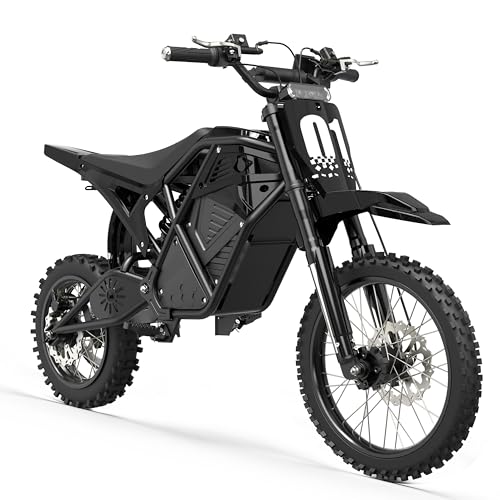
ESKUTE Electric Dirt Bike Mid-Drive 3500W Peak 48V 23Ah

ESKUTE V100 Electric Bike 1500W Peak 16" Fat Tire 7-Speed
Why These Options Stand Out
For daily commuting with mixed pavement and light trails, the TST model pairs a 1500W peak motor, meaning short-term maximum output, with 90N·m of torque for hill starts. A 7-speed drivetrain, the gear system that changes pedaling effort, gives flexibility beyond throttle-only riding. The 20 by 4.0-inch fat tires and dual suspension soften bumps on gravel and broken pavement.
The 48V 15Ah removable battery claims up to 60 miles under specified conditions, which suits errands and longer commutes with margin. An extended seat and rear rack add carrying space for daily essentials, while LED lighting helps after dark. In our view, the mix suits riders who want trail traction without giving up city practicality.
A Few Strong Suits
- 1500W peak motor with 90N·m torque for hills
- Removable 48V 15Ah battery for indoor charging
- Dual suspension plus 20-inch fat tires
- Three riding modes with 7-speed gearing
- Rear rack and LED lighting for daily use
Things To Consider
- Fat tires add width, so garage storage needs clearance
- Mechanical disc brakes need periodic cable adjustment
Shorter riders from 5’0″ to 5’8″ get a frame sized for a lower center of gravity, and you can weave through traffic with 16-inch tires. The motor peaks at 1500W with a 750W rated output, aimed at a 20 mph Class 2 limit. That cap makes the K6-MINI a different proposition from the 28 mph TST model above.
A 48V 15.6Ah pack meets the 2849 safety standard and detaches for indoor charging. Front suspension and a mid-chassis shock absorb potholes without a full-size frame. The honest read is that compact size is the point, and taller riders will feel the trade-off quickly.
Positive Points
- Compact high-carbon steel frame rated to 300 lbs
- 16 x 3.0-inch puncture-resistant fat tires
- Removable battery with key lock
- Top tube storage bag included
Worth Noting
- Single-speed setup limits pedaling control on steep grades
- Small frame suits shorter riders best
- 20 mph limit differs from Class 3 pace
Who It Suits Best
Shorter riders and teens who prioritize a nimble, moped-style frame for neighborhood and trail use.
Where Another Pick Suits Better
ESKUTE M200 Electric Bike suits taller riders who need 21 speeds and 28 mph commuting pace.
Longer weekend rides benefit from the 80-mile claimed range, and your route planning gets simpler with front suspension and 20-inch fat tires. A brushless motor, a motor design without carbon brushes for lower maintenance, delivers steady torque for hills and city streets. The 7-speed setup keeps pedaling effort manageable on mixed terrain.
An IP54 waterproof LCD display, where IP54 indicates protection against dust and splashing water, shows ride data in wet weather. Front and rear LED lights improve visibility, and an extra-large rear rack supports up to 265 lbs for groceries or gear. Compared with the TST model, this one trades dual suspension for a larger rack and longer claimed range.
Real-World Strengths
- 80-mile claimed range for longer trips
- 20 x 3.0-inch fat tires for sand and gravel
- Rear rack rated to 265 lbs
- IP54 LCD display with front and rear lights
Trade Offs
- Front suspension only, unlike dual-suspension rivals
- Large rack and fat tires increase storage footprint
Commuters who pedal most of the way will appreciate 21 speeds, and you get four modes including walk mode for steep ramps. The 1200W peak brushless motor reaches up to 28 mph, matching Class 3 pace. A 27.5-inch wheel and 2.1-inch tires give a more traditional mountain bike feel than the fat-tire models earlier.
The removable 48V 10.4Ah battery claims up to 55 miles in pedal-assist mode and charges in about 4 hours. Dual front suspension, an LCD display, and NFC card start add convenience for daily commuting. One thing worth considering is standover height, since the larger wheel suits taller riders better than the compact K6-MINI.
Useful Highlights
- 21-speed gear system for varied terrain
- Four modes including walk mode
- Removable battery with lock and key
- NFC card start and LCD display
- 90% pre-assembled with tools included
Minor Gripes
- 27.5-inch wheels need more storage height
- Narrower tires give less float in sand
Trail riders seeking dirt-bike pace will notice the 3500W peak mid-drive motor, and your focus shifts to braking and shock control on rough descents. Torque reaches 220Nm, and speed is listed at 38 to 46 mph. That places this model well beyond Class 3 limits, so local age and licensing rules need a check before purchase.
The 48V 23Ah battery claims 53 miles and a 6-hour full charge. Nitrogen-filled hydraulic shocks aim to keep damping consistent during sustained off-road use. For most backyards and trail systems, the steel frame and dual hydraulic disc brakes matter more than the headline speed.
Why It Works Well
- 3500W peak mid-drive with 220Nm torque
- 48V 23Ah battery with 53-mile claim
- Nitrogen-filled dual shock absorbers
- Dual hydraulic disc brakes
Points To Note
- Speed exceeds Class 3 limits, so road use needs verification
- Steel frame adds weight for lifting and storage
- 6-hour charge is longer than smaller packs
Teen and young adult riders get a moped-style frame with 16-inch fat tires, and you can adjust effort across seven speeds on mixed surfaces. The 1500W peak motor reaches 20+ mph, and dual suspension smooths sidewalks and park paths. A brake-lever squeeze before starting adds a safety step against sudden acceleration.
The 48V 13Ah battery claims up to 60 miles in pedal-assist mode. Compared with the GLOBALKEEP K6-MINI, the V100 adds 7-speed gearing and a more traditional fat-tire stance. Nothing flashy here, but the package covers school, campus, and weekend cruising without a steep learning curve.
Good Reasons To Consider
- 1500W peak motor with 20+ mph speed
- 16 x 4.0-inch fat tires with dual suspension
- 7-speed gear system for slopes
- 48V 13Ah battery, up to 60 miles claimed
Softer Spots
- 16-inch wheels feel compact for taller riders
- Moped styling may not suit traditional cyclists
Made For
Teens, college students, and casual riders who want a stable, styled frame for short daily trips.
Consider Something Else When
TST Electric Bike suits riders who need 28 mph pace and dual suspension for longer commutes.
What Matters Most Before Choosing Class 3 Electric Bikes
Your daily distance should drive the shortlist more than peak wattage alone. A larger battery helps on long routes, while a smaller pack keeps weight down for lifting into a car or onto a rack.
Motor Output and Speed Class
Peak power describes short bursts, while rated power shows sustained output. Class 3 models aim for 28 mph, and Class 2 models cap at 20 mph. Check whether local rules allow 28 mph operation on the roads planned for use.
Battery Range and Charging
Range claims assume specific conditions, often pedal-assist on flat ground with a light load. Estimate the longest round trip, then add margin for hills and headwinds. Removable packs simplify charging in apartments and offices.
Frame Size and Suspension
Wheel diameter affects standover height and handling. Fat tires add traction on gravel, sand, and snow, while narrower tires roll easier on pavement. You can rule out fat-tire models quickly if storage space is tight at home.
Gearing and Brakes
Multiple speeds help maintain cadence on climbs, and disc brakes provide consistent stopping in wet conditions. Dual suspension smooths rough surfaces, while front-only suspension keeps setup simpler and lighter.
Key Considerations Across These Picks
Common Shopping Slip Ups
Many shoppers chase peak wattage and overlook frame fit. A bike that is too tall or too heavy becomes a chore to store and move. Confirm standover height, weight, and charging location before committing.
What The Higher Tier Buys
Higher-tier models often add mid-drive motors, larger batteries, and more advanced suspension. Those upgrades pay off on steep trails and long daily routes. For short, flat commutes, a simpler hub-drive setup may cover the need with less weight.
Frequently Asked Questions
What does Class 3 mean for an electric bike?
Class 3 allows pedal-assist up to 28 mph. Local rules still vary by road type and rider age.
How far will a Class 3 electric bike travel on one charge?
Range depends on rider weight, terrain, and assist level, so treat the headline figure as an upper guide for light loads on flat ground. Throttle-only riding usually reduces distance compared with pedal-assist.
Are fat tires better than standard tires?
Fat tires add traction on gravel and sand, while narrower tires roll more efficiently on pavement. The right choice follows the surface used most often.
Can a fat-tire electric bike fit in a small garage?
Storage space matters for you because fat-tire frames are wider and heavier to lift onto a rack. Measure doorway width and ceiling height before ordering.
Do removable batteries make a difference?
Removable batteries allow charging indoors and secure storage away from the frame. That setup helps in apartments and shared workplaces.
Final Verdict
Pick the TST model for balanced commuting, the M200 for geared mountain use, or the GLOBALKEEP K6-MINI for compact agility, and match the choice to your typical route. A clear match on distance, terrain, and storage will matter more than any single headline number.