
A carbon bar changes the feel at the grips, cutting trail chatter while keeping steering direct on rough descents. You get a lighter cockpit with a different flex profile than aluminium, and that trade-off matters on long rides. Your stem clamp size, width, and rise decide fit more than finish or colour, so those three numbers deserve a careful check before anything else. The six options below cover upright trail use, gravity riding, and e-bike builds at different widths and rises.
The Leading Options At A Glance
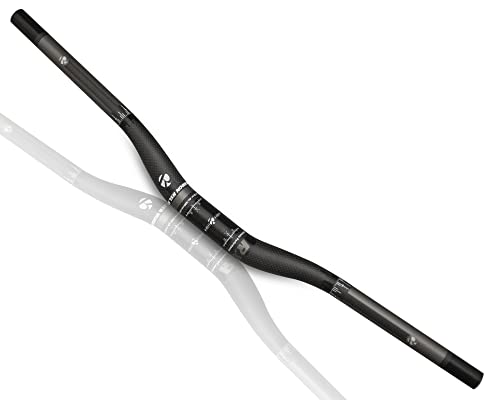
Carbon Handlebars Mountain Bike Riser Bars 31.8mm 680mm

PNW Components Loam Carbon MTB Handlebar 800mm

OneUp V2 Carbon Handlebar 800mm Width 50mm Rise

Yccyctrek 740mm Mtb Handlebars 31.8 Carbon Fiber Riser Bar

RaceFace Era 20 Carbon MTB Handlebar 35mm 760mm

Carbon Handlebars Mountain Bike Riser Bars 31.8mm 720mm
Taking A Closer Look At The Options
You benefit most from the flat profile here, since it keeps an upright posture on gravel paths and mellow singletrack. The 31.8mm clamp diameter, meaning the centre section that fits the stem, must match the stem exactly. Widths from 680mm to 760mm let a rider trim the bar to shoulder width.
Carbon fibre, a woven composite of carbon threads set in resin, gives a stiff yet light structure compared with aluminium. An anodised finish, a coloured protective coating on the surface, adds grip at the controls. That upright position eases load on the back, arms, and neck during longer rides, and wider widths add leverage for control on bumpy sections.
A Favorable Mix
- Flat shape suits upright posture and ergonomic grips
- Five widths cover narrow to wide cockpit setups
- Lightweight carbon construction reduces front-end weight
- Straight bar keeps cable routing straightforward
Things To Consider
- 31.8mm stem match is mandatory, so measure before ordering
- Flat profile offers less rise than riser options for taller cockpits
Who It Suits Best
Beginners and casual trail riders wanting an upright, easy-control cockpit on a 31.8mm stem.
Where Another Pick Suits Better
The PNW Components Loam Carbon MTB Handlebar 800mm suits gravity riders needing 800mm width and higher rise options.
Unlike the narrower flat bar above, this 800mm bar is built for steep descents and e-bike use. You can match a 31.8mm or 35mm stem, which covers most modern mountain bike stems. Rise choices of 25mm, 38mm, and 50mm adjust hand position without changing the stem.
The CBD layup, the brand name for its carbon layup sequence, aims to absorb chatter while keeping horizontal stiffness for steering input. That balance matters on rough, steep terrain where a vague front end feels unsettling. The bar passes EFBE Category 5 gravity testing, a lab protocol for severe mountain bike loads.
The Helpful Details
- 800mm width gives stability on descents and e-bikes
- Three rise options fine-tune fit without a new stem
- 31.8mm and 35mm clamp compatibility widens stem choice
- Chatter-absorbing layup pairs with steering stiffness
- Gravity category rating covers demanding riding styles
Worth Noting
- 800mm width needs trimming space and wider storage
- Fixed width removes the narrower options offered elsewhere
The oval cross-section sets this bar apart from the round profiles above. Your hands feel more compliance, meaning controlled flex that softens impacts, through that shape. Widths of 760mm and 800mm share the same ride character across sizes.
Rise options of 20mm, 35mm, and 50mm cover low to high cockpit setups. Every size passes EFBE Category 5 gravity testing, covering cross-country through downhill and e-bike use. In our view, that consistency across widths matters for riders who cut a bar down, since trimming can stiffen a carbon bar.
Positive Takeaways
- Oval profile increases compliance to ease hand fatigue
- Two widths and three rises dial in cockpit fit
- Gravity testing covers e-bike and downhill use
- Same feel claimed across all width and rise combos
Trade Offs
- Decals are sold separately from the bar
- 50mm rise suits taller cockpits, low rises suit others, so measure first
Geometry detail is the draw here, with backsweep and upsweep figures stated for both flat and riser versions. You need a torque wrench for installation, since the clamp torque is 4Nm, with a 5Nm maximum. That limit protects the carbon from over-tightening damage.
Riser versions run 680mm to 760mm wide with 18mm rise, 8 degrees backsweep, and 3 degrees upsweep. Backsweep angles the grips toward the rider, while upsweep angles them upward. Flat versions use 5 degrees backsweep and zero upsweep, a flatter hand position for faster, flatter terrain.
What Works In Its Favor
- Stated sweep angles help match hand position precisely
- Flat and riser shapes cover different riding styles
- Glossy and matte 3K finishes offered
- 22.2mm grip ends fit standard grips and controls
Small Caveats
- Torque limit requires care or a shop installation
- 18mm rise is low compared with 50mm options elsewhere
- 31.8mm clamp only, so 35mm stems do not fit
This Era bar takes a different route to comfort, with a narrowed clamp area that allows a quicker taper and earlier rise. You ride a 35mm clamp with 760mm width and 20mm rise in this version. The shape aims at arm pump, the forearm fatigue common on long descents.
Nearly 100 hand-laid carbon pieces bound with toughened epoxy form each bar, with a layup specific to each size. That construction targets a high strength-to-weight ratio. Six size and rise combinations aim to keep the same tuned flex without trimming, since cutting a bar can stiffen it.
What It Does Well
- Specific layup per size keeps flex consistent
- Narrow clamp area creates earlier rise for comfort
- Rated for eMTB use with hand-laid construction
- 760mm width suits narrower cockpits than 800mm bars
- Six colours allow cockpit personalisation
Points To Note
- 35mm clamp only, so 31.8mm stems do not fit
- 20mm rise is low for riders wanting a higher cockpit
Your current 31.8mm stem determines compatibility here, since this riser bar uses that clamp size only. Widths from 680mm to 760mm cover most trail builds. Colour choices include black glossy, grey matte, PRO matte, and red matte finishes.
The flat shape supports an upright position that reduces stress on the back, arms, and neck. Wider widths add hand grip and control on gravel and bumpy roads, which helps beginners during practice. Straight bars also simplify brake and gear cable maintenance compared with swept shapes, in our view.
Everyday Wins
- Five widths fit a range of shoulder widths
- Upright flat shape eases posture strain
- Matte and glossy finishes in several colours
Honest Caveats
- Stem diameter must be confirmed as 31.8mm before ordering
- Flat profile lacks the rise of riser bars for higher cockpits
- Similar to the first pick, with width and finish as the main distinction
Made For
Casual trail riders on 31.8mm stems wanting width choice and finish options.
Consider Something Else When
The RaceFace Era 20 Carbon MTB Handlebar 35mm 760mm suits riders on 35mm stems seeking tuned flex for arm pump.
What To Check Before Choosing Carbon Handlebars Mtb
Clamp Diameter And Stem Fit
Measure the stem clamp area first, since 31.8mm and 35mm bars do not interchange. A mismatch blocks installation entirely. Torque values also matter, with carbon bars often specifying a low limit to prevent damage.
Width, Rise, And Sweep
Width changes leverage and stability, while rise changes hand height and back angle. Sweep angles shape wrist position on long rides. You match those numbers to shoulder width and riding style rather than copying another rider’s setup.
Flex Profile And Riding Style
Compliance, the amount a bar flexes under impact, differs by layup and profile shape. Gravity and e-bike use demand a stiffer, stronger build than cross-country use. One thing worth considering is trimming, since cutting a bar can stiffen it and change that flex.
Key Considerations Across These Picks
Common Shopping Slip Ups
Ordering by width alone causes most fit problems, since clamp size and rise get overlooked. Checking stem diameter and torque limits before ordering avoids a bar that cannot be installed safely.
What The Higher Tier Buys
Higher tier bars add size-specific layups, oval profiles, and gravity testing across every size. That work buys consistent flex without trimming, which matters more on rough descents than on smooth paths.
Frequently Asked Questions
What clamp sizes do these carbon handlebars use?
Most use 31.8mm, while the PNW Loam and RaceFace Era use 35mm or both sizes. Matching the stem diameter is essential for installation.
What width suits most trail riders?
Widths from 720mm to 800mm cover most setups, with 800mm favouring descents. Shoulder width and riding style should guide the final choice.
What does rise do on a handlebar?
Rise raises the grips above the stem, changing hand height and posture. Higher rise suits taller cockpits and a more upright position.
Can carbon bars be trimmed to size?
Some bars can be cut, while others are designed to keep flex without trimming. Cutting can stiffen a bar, so the stated guidance for each model matters.
Are these bars suitable for e-bikes?
Several options carry gravity category ratings covering e-bike use. Checking the rating for the chosen width and rise confirms suitability.
Final Verdict
The PNW Loam suits gravity riders, the OneUp V2 suits long descents, and the flat 31.8mm bars suit upright trail use. You should match clamp, width, and rise to the bike first, then weigh flex profile for the terrain ahead.