
Your garage floor fills up fast when bikes lean beside cars, tools, and storage bins. A wall-mounted rack lifts each bike clear, keeps wheels off the ground, and turns a blank wall into organized storage. The right choice depends on bike weight, handlebar width, wall type, and how often the bike moves on and off the rack.
A Quick View Of The Lineup

PRO BIKE TOOL Swivel Bike Rack Wall Mount

Laxama Bike Rack for Garage Wall Mount 4 Pack

Stasdock Wall Bike Rack Happy Black

StoreYourBoard BLAT Bike Rack 4 Bike Garage Storage

Bike Rack Garage Heavy-Duty Adjustable Bike Wall Mount

Steadyrack Swivel Bike Rack Wall Mount Vertical Storage
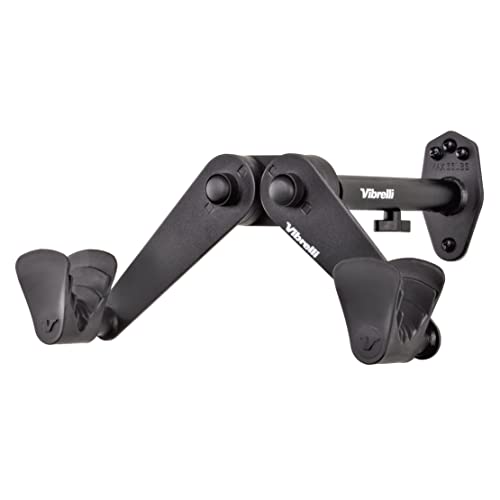
Vibrelli Bike Wall Mount Horizontal Storage Rack
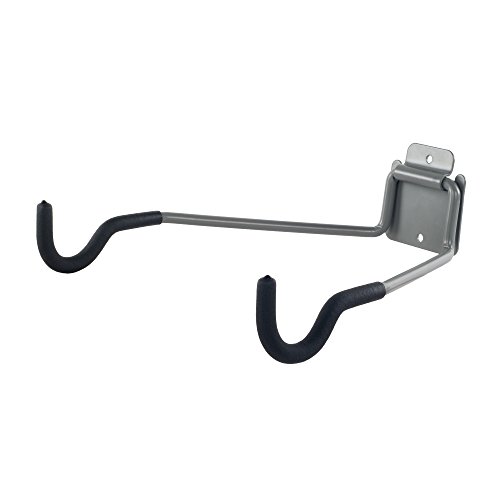
Stalwart Bike Wall Mount EVA Foam Padded 50lb
The Details Behind The Selections
A vertical swivel design suits garages where bikes sit beside a parked car. The bike hangs by the front wheel, then pivots left, right, or center so the frame stays close to the wall. That three-position movement helps in narrow bays where a fixed hook would leave a wheel jutting into walkways.
You lift the front wheel onto a wide coated hook, and a rear stopper sets the angle. The combined tire and rim width limit reaches 3.54 inches, covering road, mountain, hybrid, and kids bikes in the listed range. The stated capacity reaches 66 pounds, with a 30 kg shelf rating in the product information.
Useful Touches
- Swivel action saves floor space beside parked cars
- Coated wide hook reduces contact points on wheel parts
- Three pivot positions fit tight wall layouts
- Vertical orientation keeps the floor clear for tools
Things To Consider
- Single-bike design needs multiple units for a household fleet
- Wall strength matters for a 66-pound vertical load
Four vertical hooks in one package change the math for households with several bikes. Each hook hangs a bike by the front wheel, and the set spreads across a garage wall in a row. That approach suits families who need capacity without buying separate racks for every bike.
The metal hooks carry a stated 60-pound capacity, and hardware for mounting is included. Spacing guidance in the product description suggests 14 to 16 inches between hooks, with staggered heights to reduce overlap. Tire width should stay at or below 2.6 inches for this hook style.
Strengths Worth Knowing
- Four hooks handle multiple bikes on one wall
- Included screws and anchors simplify mounting
- Staggered heights help bikes share wall space
- Rubber-covered hook areas reduce scratch contact
Worth Noting
- Fixed hooks lack swivel movement for tight car bays
- Stud mounting is required for the stated load
- Narrow tire limit excludes wider mountain tires
Who It Suits Best
Households with three or four lighter bikes and a long garage wall benefit most from this multi-hook set.
Where Another Pick Suits Better
StoreYourBoard BLAT Bike Rack suits heavier bikes because its steel rail carries 50 pounds per hook.
This wall system treats a road bike like a display piece with a practical shelf attached. Two bent components form the mount, and a precision-cut foam insert cushions contact with the frame. The look suits an apartment entry or a finished garage where storage stays visible.
You keep a helmet, shoes, glasses, and small accessories in the built-in storage areas instead of on a nearby bench. Dimensions measure 13.8 by 15 by 13.8 inches, and the weight limit sits near 33 pounds. Handlebar width tops out at 28.7 inches, so wide mountain bars need a careful check.
Why It Works Well
- Foam insert adds scratch protection at frame contact
- Integrated areas hold helmet and riding accessories
- Compact footprint suits apartments and finished spaces
- Powder-coated finish matches a tidy indoor look
- Two-component design keeps the profile clean
Trade Offs
- 33-pound limit excludes many heavier mountain bikes
- Handlebar limit sits below wider flat-bar setups
A 32-inch solid steel rail gives this rack a different character from single hooks. Four rubber-coated hooks hang four bikes, with each hook rated at 50 pounds and the rail rated at 200 pounds total. That structure suits a family garage where bikes vary in size and weight.
You can hang road, mountain, commuter, cruiser, and kids bikes with rims under 2 inches wide. Mounting hardware is included, and the rail aligns with standard 16-inch stud spacing. Unlike the Laxama set, this rail concentrates strength in one steel bar rather than separate hooks.
Everyday Wins
- Steel rail supports four bikes up to 200 pounds total
- Rubber coating cushions wheel contact points
- Standard stud spacing simplifies wall placement
- One rail keeps spacing consistent across bikes
Minor Gripes
- Rim width under 2 inches excludes some wide setups
- 32-inch rail needs a clear, continuous wall section
- Fixed hooks offer no swivel adjustment
Horizontal storage places the bike frame against the wall instead of hanging a wheel from a hook. A steel arm extends from the wall, and the frame rests level along that arm. That layout works well in apartments where a vertical bike would block a doorway or closet opening.
The arm adjusts from 8.9 to 12.5 inches and angles up to 90 degrees, fitting handlebars up to 31.5 inches wide. EVA foam padding covers contact areas, and the stated limit reaches 48.5 pounds per rack. Step-through frames, fat tires, and long wheelbases fall outside the listed fit.
A Few Strong Suits
- Adjustable arm fits narrow and wide handlebars
- Angled hook keeps different frames level
- EVA foam padding protects frame surfaces
- Horizontal layout keeps bikes flush to the wall
Room For Improvement
- Step-through frames need an adaptor for this design
- Fat tires and long wheelbases are excluded
- Mounting requires studs, concrete, or brick
Made For
Apartment residents with standard road or hybrid frames and a solid wall section get the most from this adjustable arm.
Consider Something Else When
Vibrelli Bike Wall Mount suits similar horizontal storage with push-button arm adjustment and a wheel strap.
Heavy electric mountain bikes change the lifting problem, and this pivot design addresses that directly. The bike rolls in at floor level, then pivots into a vertical position against the wall. That motion avoids lifting a heavy frame up to a high hook, a clear difference from the PRO BIKE TOOL swivel hook.
You roll the bike in and pivot it into place, with the rack folding flat against the wall when empty. The ProFlex wide version in the product description carries up to 121 pounds and fits mountain, gravel, eMTB, and fender-equipped bikes. Mounting uses masonry or timber with the included kit, and no assembly is required.
The Upside
- Roll-in pivot avoids lifting heavy eMTB frames
- 121-pound capacity covers heavy electric bikes
- Folds flat against the wall when not in use
- Wide cradle fits fender-equipped bikes
Points To Note
- Single-bike focus requires multiple racks for several bikes
- Masonry or timber mounting limits wall choices
Horizontal hanging keeps the bike parallel to the wall, which helps in sheds and apartments with limited depth. The frame rests in flexible cradles, and a strap holds the front wheel steady. That strap matters during daily garage traffic, when a bumped wheel can swing and knock nearby items.
You slide the arm outward to fit handlebars up to 31.5 inches wide, and a push button adjusts the arms to the frame. Road, mountain, commuter, cyclocross, hybrid, and kids bikes are listed as compatible. Step-through frames, fat-tire cruisers, and long wheelbases are excluded without an adaptor.
Noteworthy Benefits
- Slides out to fit handlebars up to 31.5 inches
- Wheel strap limits front-wheel swinging
- Flexible cradles hold frames without crushing cables
- Flat wall layout saves depth in small rooms
Softer Spots
- Step-through frames need a separate adaptor
- Mounting requires studs, concrete, masonry, or brick
- Long wheelbase bikes fall outside listed fit
A flip-up hook suits a single bike in a garage, shed, or closet. The steel hook folds parallel to the wall when empty, so the mount stays out of the way between rides. Foam coating on the hook cushions the frame and helps prevent sliding during storage.
The stated limit reaches 50 pounds, and mounting screws are included. The design covers mountain, road, and children’s bikes within that weight range. Direct mounting into a wood stud is required to reach the stated capacity.
Key Advantages
- Flip-up design folds flat when not in use
- EVA foam coating cushions frame contact
- Included screws support stud mounting
Small Caveats
- 50-pound limit excludes heavier e-bikes
- Wood stud mounting is mandatory for capacity
- Single hook needs extra units for multiple bikes
Best Suited To
Single-bike households with a wood-stud wall and a bike under 50 pounds get a straightforward storage option here.
Not Your Match When
Steadyrack Swivel Bike Rack suits heavier eMTB storage because its pivot design carries up to 121 pounds.
What Matters Most Before Choosing a Wall Rack
Bike Weight And Lifting Style
Weight limits range from 33 pounds on the Stasdock to 121 pounds on the Steadyrack ProFlex wide version. Lifting style matters just as much, because a roll-in pivot suits heavy eMTB frames while a high hook suits lighter road bikes. Match the mounting height to comfortable lifting reach.
Handlebar Width And Frame Shape
Horizontal racks list handlebar limits near 31.5 inches, while the Stasdock tops out at 28.7 inches. You measure handlebar width before ordering, and step-through frames need an adaptor on horizontal designs. Fender clearance also matters for vertical swivel racks.
Wall Material And Stud Placement
Several racks require wood studs, concrete, masonry, or brick, and drywall alone falls outside the listed mounting options. Stud location determines spacing for multi-bike rails and the height for single hooks. A stud finder helps confirm placement before drilling.
Wall Length And Clearance
Multi-bike rails need continuous wall length, with the StoreYourBoard rail measuring 32 inches. Vertical racks need floor clearance for the rear wheel, while horizontal racks need depth for handlebars. Clearance checks prevent blocked doors and car doors.
Key Considerations Across These Picks
Common Shopping Slip Ups
Shoppers often match a rack to bike type and overlook wall material. Stud requirements and handlebar limits cause more fit problems than color or finish. Measure the bike and locate studs before ordering.
What The Higher Tier Buys
Higher-tier designs add pivot mechanics, wider cradles, and higher weight limits. Those features pay off for heavy e-bikes and frequent lifting. Lighter road bikes gain less from the same upgrade.
Frequently Asked Questions
How much weight can a wall-mounted bike rack hold?
Capacity varies by design, from 33 pounds on the Stasdock to 121 pounds on the Steadyrack ProFlex wide version. Check the per-hook or per-rack limit against the full bike weight, including accessories.
Which rack style suits a small apartment?
Horizontal racks keep bikes flat against the wall and suit limited depth. Vertical swivel racks suit narrow walls where a bike can pivot close to the surface.
Can these racks mount on drywall alone?
You need studs, concrete, masonry, or brick for the racks that list those materials. Drywall anchors alone do not meet the mounting requirements stated for several models.
Do horizontal racks fit step-through bikes?
Horizontal designs listed here exclude step-through frames without an adaptor. Vertical wheel-hanging racks handle more frame shapes, subject to tire and rim width limits.
How many bikes can one rack store?
Single hooks and pivot racks store one bike each, while the Laxama set includes four hooks and the StoreYourBoard rail holds four bikes. Wall length and stud spacing determine how many units fit comfortably.
Final Verdict
You get the clearest match by starting with bike weight, then wall type, then available wall length. The Steadyrack suits heavy eMTB storage, the StoreYourBoard rail suits four-bike families, and the PRO BIKE TOOL swivel suits tight garages. Each choice rewards a quick measurement before mounting.