
A flat on a quiet lane can turn a pleasant ride into a long walk home. Patch kits differ mainly in how they seal a hole, whether through a plug, a glued patch, or a peel-and-stick patch for inner tubes. Match the method to your tyre setup first, then check size and contents. You need a different approach for tubeless tyres than for a traditional inner tube, and that choice narrows the list quickly.
The Main Contenders

Chemical Vulcanizing Cement Tire Repair Glue 8.5Oz

wuyaoyao 36PCS Tire Patch Kit 3.11in (79mm)

Gemoioio Bike Tubeless Tire Repair Kit 15 Strips

80PCS Bike Tire Repair Kit 56 Patches Set

Bike Repair Kit Bike Bag Tire Pump Multitool
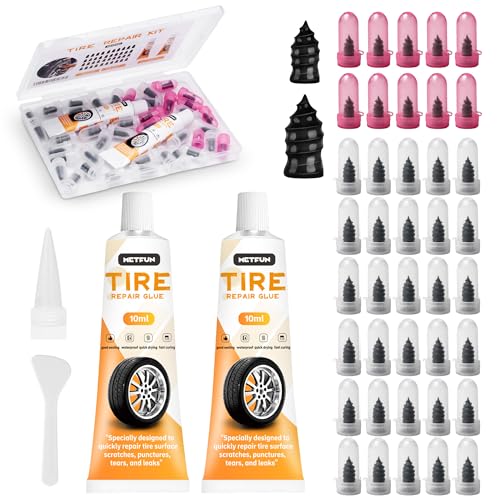
40 PCS Quick Fix Screw-in Tire Plug Kit

Bike Tire Repair Kit 20 PCS Vulcanizing Patches

Bike Tire Repair Kit 43 PCS 30 Patches
The Picks, Examined More Closely
Garage shelves and workshop drawers suit this brush-top can well, since the 8.5oz liquid spreads thinly over a cleaned patch area. You get a straightforward vulcanizing cement for bonding patches to car, motorcycle, and bicycle rubber. Vulcanizing cement means a chemical agent that helps rubber cure and bond at room temperature, without heat.
For most riders, the 3 to 5 minute wait before pressing a patch feels short enough for a home repair. The low-viscosity liquid flows easily, which helps coverage, though thin layers matter more than generous pools. In our view, the brush cap keeps application tidy compared with squeeze tubes.
What It Does Well
- Brush inside the cap spreads cement thinly and evenly
- 8.5oz can covers multiple patches across vehicles
- Works with patches and plugs for tubeless and tube repairs
- Fast drying helps repairs move along quickly
Things To Consider
- Cement alone does not include patches, levers, or rasps
- Full cure needs a short wait before riding again
Round natural rubber patches in the 79mm size cover larger puncture areas than smaller rounds in the same range. You choose this pack for cars, trucks, motorcycles, and bikes where a wide patch helps seal around a repair. Natural rubber here means flexible material that follows the tyre surface under pressure.
Unlike the cement-only option above, this pack supplies patches without glue or a roller. Cleaning and polishing the area first remains part of the process, then glue, patch placement, and pressing follow. Depending on puncture size, the 3.11 inch diameter suits wider damage than a small round would.
What Earns Its Place
- 36 patches at 79mm cover larger puncture areas
- Natural rubber stays flexible and abrasion resistant
- Lightweight pack stores easily in a vehicle
Worth Noting
- Glue and roller are not included
- Large diameter suits bigger holes, not tiny pinholes
Who It Suits Best
Drivers and motorcyclists needing large patches for punctures at home or in a garage.
Where Another Pick Suits Better
80PCS Bike Tire Repair Kit 56 Patches Set suits riders who need levers, rasps, and glue included.
Tubeless riders carry this canister in a jersey pocket or saddle bag for trailside fixes without removing the wheel. You push a vulcanized rubber strip through the hole with the plugger, then trim and inflate. A plugger tool means a handled needle-like tool that pulls a strip into a puncture from outside the tyre.
For most riders on mountain, road, gravel, hybrid, and e-bikes, the tubeless-only design keeps the kit focused. The reamer prepares the hole, and 15 strips handle thorn holes and larger cuts. The 26 gram package size keeps trail weight low.
What Pays Off
- 15 vulcanized strips for repeated roadside plugs
- Plugger and reamer included for complete prep
- Canister doubles as storage and handle
- No glue needed for tubeless repairs
- Compact dimensions fit saddle bags easily
Trade Offs
- Designed for tubeless tyres, not inner tubes
An 80-piece box suits home benches where inner tubes get repaired in batches. You have vulcanizing patches for longer repairs and self-adhesive patches for roadside use, plus levers and rasps in one place. Vulcanizing patches bond chemically with glue, while self-adhesive patches press on without glue for temporary fixes.
Compared with the tubeless canister above, this box targets tubes and broader inflatables like scooters and strollers. The contents include three levers, four glue tubes, four rasps, eight sandpaper sheets, a scraper, and valve tools. Curing takes 15 to 20 minutes for secure attachment.
What Helps Most
- 56 patches split between permanent and emergency types
- Levers, rasps, sandpaper, and scraper included
- Valve core remover and spare cores add convenience
- Compact box fits saddlebags and drawers
Minor Gripes
- 15 to 20 minute cure time slows roadside repairs
- Large inventory needs sorting before first use
A frame bag setup suits commuters who want pumping and patching gear kept together. You carry a mini pump, multitool, levers, and six glueless patches without splitting items across pockets. The pump covers Schrader and Presta valves, so different bikes share the same bag.
Unlike the 80-piece box above, this bundle trades patch quantity for portability and inflation. A 16-in-1 multitool plus 4mm and 5mm Allen wrenches handle small trailside adjustments. The bag mounts on handlebar, top tube, under frame, or under seat.
Useful Highlights
- Mini pump fits Schrader and Presta valves
- 16-in-1 multitool covers emergency adjustments
- Six glueless patches pack in a small plastic box
- Frame bag keeps essentials together on the bike
Room For Improvement
- Six patches suit occasional flats, not frequent repairs
- Bag capacity leaves limited room for extra items
Made For
Commuters and casual riders who want repair gear mounted on the bike.
Consider Something Else When
80PCS Bike Tire Repair Kit 56 Patches Set suits riders who patch tubes often at home.
Screw-in plugs suit tubeless tyres on cars and motorcycles kept in a trunk or toolbox. You remove the object, add sealant, and screw a plug into the hole without taking the tyre off the rim. Screw-in plugs mean thick-threaded rubber screws that grip the puncture channel.
For most riders and drivers, two sizes cover different hole widths. Small screws measure 5.2x12mm for nail punctures, while large screws measure 6.6x15mm for bigger holes. Two tubes of sealant coat the screws and the hole for a double seal.
A Strong Showing
- 40 screws in two sizes for varied punctures
- Sealant included for coating screws and holes
- No rim removal needed during repair
- Compact storage suits trunks and toolboxes
Points To Note
- Method targets tubeless tyres, not inner tubes
- Screw size must match puncture width
A compact case with a manual suits riders learning inner-tube repair for the first time. You get 20 patches, two levers, rasps, and sandpaper, so surface prep and patching happen from one box. The manual explains the sequence, which helps first attempts stay organized.
Compared with the 80-piece box above, this kit carries fewer patches and tools, yet covers standard road and mountain bike tubes. Patches include 2.5cm rounds and 5×3.2cm squares for different puncture sizes. Glass fiber reinforced levers add grip during tyre removal.
The Value In It
- 20 patches in round and square sizes
- User manual guides first-time repairs
- Two levers with anti-slip design
- Small case fits backpacks and saddlebags
Small Caveats
- 20 patches suit occasional use, not heavy repair volume
- Glue-free focus limits permanent vulcanizing options
Right Fit For
Beginners with standard inner tubes who want guided, portable repair gear.
Not Your Match When
Bike Tire Repair Kit 43 PCS 30 Patches suits riders who want steel levers and more patches.
A 43-piece case suits riders who want steel levers and metal files included from the start. You receive 30 vulcanizing patches, three glue packets, and tools sized for bikes, scooters, and strollers. Patches rated for 80 PSI suit higher-pressure inner tubes within that limit.
Unlike the manual-led kit above, this case leans on CNC-machined 304 stainless steel levers and diamond-cut files. Files roughen the tube surface quickly, which helps patches bond. The IPX4 waterproof case fits a jersey pocket, and four sandpaper sheets support prep work.
What Works In Its Favor
- 30 patches with three glue packets included
- Stainless steel levers resist bending
- Four metal files and sandpaper for prep
- Waterproof case stores compactly
- Wide compatibility across inflatables
Areas To Watch
- 80 PSI patch rating sets a clear pressure limit
- 43 pieces need space in a saddlebag or drawer
Matching Patch Type To Your Riding
Tubeless Versus Inner Tube
Tubeless setups use plugs or screw-in plugs that seal from outside the tyre. Inner tubes use patches bonded inside the tube after tyre removal. Check the tyre sidewall and valve type before selecting a method.
Patch Size And Contents
Larger patches cover wider damage, while smaller rounds suit pinholes. Kits with levers, rasps, and glue reduce extra purchases. You should measure puncture size against patch diameter before riding again.
Portability For Daily Rides
Commuters benefit from a frame bag or canister that stays on the bike. Home repairers benefit from larger boxes with spare patches and prep tools. Match storage size to riding frequency and distance from home.
Two Checks Before You Commit
Common Shopping Slip Ups
A frequent slip involves buying patches for inner tubes while riding tubeless tyres, or the reverse. Another slip involves skipping surface prep tools, then blaming the patch for poor bonding. Checking tyre type and included tools prevents both problems.
What The Higher Tier Buys
Higher-tier kits often add steel levers, metal files, waterproof cases, and larger patch counts. Those additions pay off for frequent riders who repair tubes often. Occasional riders gain less from extra pieces that stay unused.
Frequently Asked Questions
Does a patch kit work on tubeless tyres?
Plug kits work on tubeless tyres without removing the wheel. Patch kits for inner tubes require tyre and tube removal first.
What is vulcanizing cement used for?
Vulcanizing cement bonds patches chemically to rubber at room temperature. It spreads thinly over a cleaned area before patch placement.
How long does a patch need to cure?
Cure times vary by kit, with examples ranging from 5 minutes to 20 minutes. Follow the included instructions for the specific patches and glue.
Can patches fit different vehicle types?
Many kits list bikes, scooters, motorcycles, strollers, and wheelchairs. Check patch size and pressure rating against the specific tube.
What should be checked before a repair?
Clean the area, roughen the surface around the puncture, and mark the hole location. Press out air bubbles after patch placement for better contact.
Closing Remarks
Tubeless riders lean toward plug kits, while inner-tube riders lean toward patch kits with prep tools. Match the method to the tyre setup, then size the kit to riding frequency. You will get the most value from a kit that stays accessible on rides or at home.