
A handlebar display turns a casual spin into a measurable ride, showing speed, distance, and time without reaching for a phone. Commuters, weekend riders, and training cyclists each need a different balance of screen size, sensor type, and battery life. This roundup compares wired wheel-sensor models with GPS models that track movement from satellite signals, so you can match the setup to your routes and habits.
A Snapshot Of The Selections

CATEYE Velo 7 Wired Bike Computer

SY Bicycle Speedometer and Odometer Wireless Cycle Computer

BKVTOP Wireless GPS Bike Computer 50g Out-Front Mount
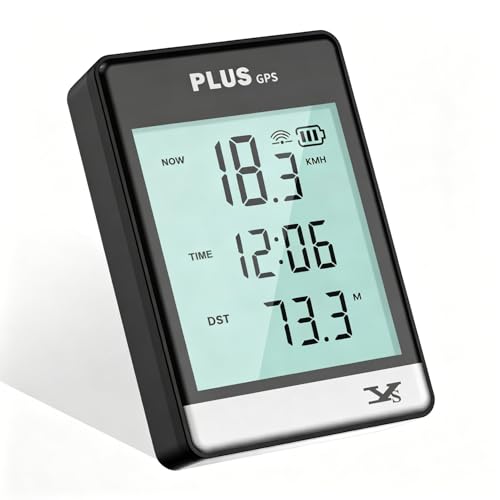
GPS Bike Computer Wireless Bicycle Speedometer 3.26 LCD

Wireless GPS Bike Computer 50g 2.4 Screen IPX7

CYCPLUS Wireless GPS Bike Computer G1 70g

Bikevee Wireless GPS Bike Computer 2.4 Screen

Hilceriy Bike Computer Wired MPH KM/H Speedometer
The Strengths Of Each Pick
New riders who want numbers without a learning curve get a clear starting point here. The wired connection keeps setup straightforward, and the display covers current, average, and maximum speed plus trip and total distance. Auto start and stop pauses timing at traffic lights, so average speed stays meaningful on stop-start routes.
The 2.17-inch LCD is large for this class, which helps at a glance. A universal bracket fits stem or handlebar placement, and alkaline battery life is listed at up to three years. That longevity suits a bike kept for commuting or weekend loops, though a wired cable means routing along the fork and frame takes a few minutes.
Everyday Wins
- Large 2.17-inch screen for quick checks
- Auto pause keeps averages accurate at stops
- Battery life up to three years reduces upkeep
- Stem or handlebar bracket adds placement choice
Things To Consider
- Wired cable needs careful routing during setup
- No GPS elevation or gradient data
Wireless freedom is the main appeal here, with no cable running to the wheel. Speed, distance, and riding time are covered in a small, light unit. Riders who ride after dark get a backlight that turns on when a button is pressed between 18:00 and 06:00.
Two buttons handle the menu, and tyre size settings help keep distance readings aligned with the wheel. Auto wake from vibration starts the unit when movement begins. The smaller 1.2-inch screen is the trade-off against the CATEYE Velo 7, and compatibility with some electric-assist bikes needs a fit check before mounting.
Where It Excels
- Wireless setup keeps the frame clean
- Night backlight for dark routes
- Two-button control for simple menus
- Waterproof design for rainy rides
Worth Noting
- 1.2-inch display is small for quick glances
- Sensor and magnet spacing must match during setup
Who It Suits Best
Road, mountain, and folding bike riders wanting wireless speed and distance without GPS features.
Where Another Pick Suits Better
CATEYE Velo 7 Wired Bike Computer suits riders wanting a larger screen and longer battery life.
GPS tracking removes the wheel sensor entirely, which simplifies mounting on different bikes. Speed, distance, ride time, and total mileage come from satellite positioning. Altitude, gradient, accumulated ascent, and temperature add context for hilly routes.
At 50g with a 2.4-inch screen, the unit stays light on the bars. The out-front mount places the display ahead of the stem for a clear line of sight. IPX7 means protection against immersion in shallow water under test conditions, and runtime is listed at up to 28 hours. Riders choosing between this and the standard-mount version should weigh mount position against handlebar space.
A Strong Showing
- No wheel sensor or spoke magnet needed
- Altitude, gradient, and ascent for hills
- 28-hour runtime for longer weeks
- Out-front mount for clear viewing
- USB-C charging for convenience
Trade Offs
- Standalone GPS only, no app connection
- Out-front mount needs stem clearance
Screen size sets this model apart, with a 3.26-inch display that is the largest in the group. GPS and BDS positioning, BDS being a satellite navigation system, track speed, distance, and time without wheel calibration. Anti-glare treatment and auto backlight help in bright sun and low light.
IPX6 protection covers splashes and rain for commuting and trail use. Runtime is listed at up to 16 hours, which is shorter than the 28-hour BKVTOP models. That shorter runtime is the main trade-off for the bigger display, and a battery indicator helps plan charging before longer rides.
Strengths Worth Knowing
- Largest 3.26-inch screen in the list
- Anti-glare display for sunny rides
- GPS and BDS without wheel sensor
- Battery indicator for ride planning
Minor Gripes
- 16-hour runtime trails longer-life GPS models
- Large body needs handlebar space
The standard mount version keeps the same GPS core as the out-front BKVTOP model in a more conventional position. Speed, distance, time, altitude, gradient, and ascent are shown on a 2.4-inch LCD. Green auto backlight and auto start stop simplify daily recording.
Weight at 50g and runtime up to 28 hours make this a low-fuss choice for regular rides. IPX7 protection supports wet conditions. The honest read is that standalone GPS limits expansion, with no app connection or external sensors, so riders wanting phone sync should look at a different category.
The Practical Payoff
- Standard mount fits crowded handlebars
- Elevation metrics without wheel sensor
- 28-hour runtime for frequent use
Room For Improvement
- No app connection for data sync
- No external sensor support
Made For
Commuters and leisure riders wanting GPS data with a traditional handlebar position.
Consider Something Else When
BKVTOP Wireless GPS Bike Computer 50g Out-Front Mount suits riders wanting the display ahead of the stem.
Battery capacity is the headline here, with a 1200mAh cell listed for more than 55 hours of use. That runtime suits riders who dislike frequent charging between long rides. GPS tracks route, time, distance, total mileage, clock, and current altitude.
The 2.0-inch screen uses FSTN technology, a display type designed for sunlight visibility, plus tempered glass for scratch resistance. IPX6 protection covers rainy rides. Compared with the 2.4-inch BKVTOP models, the smaller screen is a clear trade-off, and sleep after 10 minutes of inactivity preserves the last ride data.
Useful Strengths
- 1200mAh battery for extended runtime
- Sunlight-readable FSTN screen
- Tempered glass screen surface
- Auto sleep preserves last data
Points To Note
- 2.0-inch screen is smaller than 2.4-inch rivals
- 70g weight is heavier than 50g BKVTOP models
Color choice and mount choice give this GPS model a personal touch, with black, white, and pink options plus standard or out-front mounting. The 2.4-inch LCD shows speed, distance, time, temperature, altitude, gradient, and ascent. MPH and KMH switching covers different regions.
A 650mAh rechargeable battery is listed for up to 28 hours, matching the BKVTOP runtime. IPX7 protection supports wet rides, and auto backlight helps at dawn and dusk. Standalone GPS means no app connection or external sensors, which keeps setup simple but limits data sharing.
Useful Touches
- Three color options for styling
- Standard or out-front mount choice
- Full elevation data set
- Auto backlight for low light
Softer Spots
- No app connection or external sensors
- Mount and color must be selected before ordering
Wired simplicity returns here, with current, average, and maximum speed in MPH or KM/H plus time and distance. Calories and temperature add extra metrics beyond the CATEYE Velo 7 set. Auto wake after three minutes without signal resumes recording when riding restarts.
Backlight turns on manually with SET and MODE keys together, which suits tunnels and dark paths. IPX6 protection covers rainstorm riding, though temperature readings can shift in heavy rain contact. Road, mountain, and folding bikes are listed as compatible, with a fit check advised for some electric-assist models.
A Favorable Mix
- Extra calories and temperature metrics
- Manual backlight for dark paths
- Auto wake resumes prior values
- Wired setup avoids wireless pairing
Small Caveats
- Wired routing takes setup time
- Temperature accuracy can dip in heavy rain
Right Fit For
Riders wanting wired reliability plus calories and temperature on a single display.
Not Your Match When
Wireless GPS Bike Computer 50g 2.4 Screen IPX7 suits riders wanting sensor-free GPS elevation data.
What Matters Most Before Choosing Bike Speedometer
Sensor Type and Setup
Wired and wireless wheel-sensor models measure wheel rotation through a magnet and sensor. GPS models measure position from satellites and need no wheel parts. Wired setups suit riders who want a fixed, simple display. GPS setups suit riders switching bikes or avoiding sensor alignment.
Screen Size and Readability
A 1.2-inch display keeps a low profile but demands closer glances. A 3.26-inch display shows larger digits at speed. Backlight type matters for dawn and dusk rides, and anti-glare treatment helps in direct sun.
Battery and Weather Protection
Runtime ranges from 16 hours to more than 55 hours across the list. Longer runtime reduces charging frequency for daily riders. IPX6 and IPX7 ratings indicate different levels of water protection, with IPX7 covering shallow immersion under test conditions.
Key Considerations Across These Picks
Common Shopping Slip Ups
Skipping a compatibility check for electric-assist bikes causes sensor spacing problems. Ignoring mount type leads to crowded handlebars or blocked brake levers. Selecting a small screen for long rides makes data hard to read at speed.
What The Higher Tier Buys
Higher-tier GPS models add altitude, gradient, and ascent data that wheel-sensor models lack. Larger batteries and brighter backlights support longer and lower-light rides. Those additions suit riders training on hills, while basic speed and distance needs stay covered by simpler models.
Frequently Asked Questions
Does a GPS bike computer need a wheel sensor?
No, built-in GPS tracks speed and distance from satellite signals. That removes magnet alignment and cable routing from setup.
Which is easier to install, wired or wireless?
Wireless wheel-sensor models avoid cable routing but need sensor spacing. Wired models need cable routing but no wireless pairing.
What does IPX6 or IPX7 mean for a bike computer?
IPX ratings describe water protection under test conditions. IPX7 covers shallow immersion, while IPX6 covers strong water jets and splashes.
How long does the battery last on GPS models here?
Listed runtime ranges from 16 hours to more than 55 hours depending on the model. Larger battery capacity generally supports longer intervals between charges.
Can these computers show elevation data?
GPS models in the list show altitude, gradient, and accumulated ascent. Wheel-sensor models focus on speed, distance, and time.
Wrap Up
For beginners, the CATEYE Velo 7 keeps things simple with a large screen and long battery life. For hill-focused riders, the BKVTOP out-front GPS model adds elevation data in a light package. Match sensor type, screen size, and runtime to your typical route, and the right choice becomes clear.