
A dark commute home turns a simple ride into a visibility problem, and a light that dies mid-route creates stress at the worst moment. Dynamo and magnetic induction options solve that by generating power from motion, while rechargeable sets offer brighter modes and easier removal. This roundup compares both approaches so you can match power source, mounting, and brightness to the way you ride.
An Overview Of The Picks
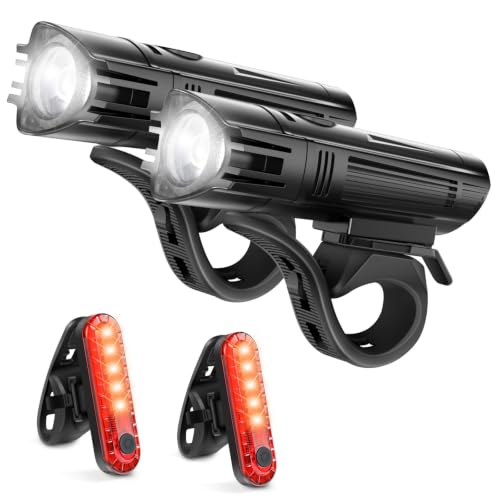
Ascher USB Rechargeable Bike Light Set 4 Modes
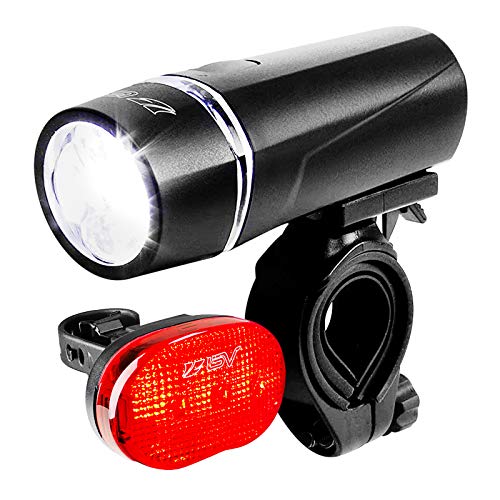
BV Bicycle Light Set 5 LED Headlight 3 LED Taillight
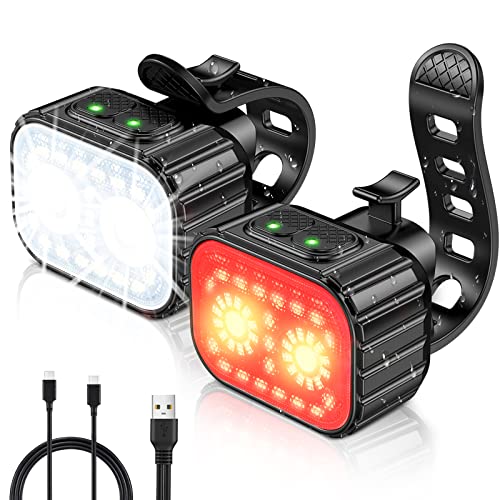
Cuvccn Bike Lights Super Bright Rechargeable Set

LICHIFIT Cycling Warning Light Magnetic Induction Tail Light

Fully Dynamo Bike Light 200 Lumens Friction Generator Gray

Bike Generator Light Set Front Headlight Rear LED Dynamo

Bike Dynamo Generator 5V 1A USB Charging Compact Mount

Herrmans H-Black MR8 Dynamo LED Head Light Brackets
The Details Behind The Selections
The Ascher set suits commuters who want a matched front and rear pair without wiring a dynamo. Its 300 lumen headlight uses a 2000 mAh cell, while the taillight uses 330 mAh, a split that keeps the front brighter for longer stretches. You get four modes on each unit, from full brightness to slow and fast flashing, controlled by a single touch switch.
Mounting stays tool free, with a handlebar bracket up front and silicone straps with four openings around most seat posts at the rear. IPX4 resistance covers splashes, and a red indicator on the headlight signals low charge. In our view, that indicator matters on a long evening ride home.
The Helpful Details
- Front and rear lights charge through USB, simplifying nightly top ups
- Four modes let the front stay steady while the rear flashes
- Silicone straps fit most seat posts without tools
- Low battery indicator appears on the headlight
- Lightweight bodies suit road and mountain bikes alike
Things To Consider
- Taillight capacity is smaller than the headlight, so rear runtime is shorter
- IPX4 covers splashes, not sustained heavy rain exposure
The BV set takes a different route from the Ascher pair, running on AAA cells instead of a built in rechargeable pack. That trade off suits riders who keep spare cells at home and prefer swapping over plugging in. The headlight carries five LEDs with a stated 30 to 40 foot range, and the taillight carries three LEDs with an adjustable angle.
Both units use quick release mounts, so removal for storage or theft deterrence takes seconds. You may find the stated runtime of more than 80 hours appealing for occasional night riding, depending on the mode selected. Rubber shims help the mounts fit varied handlebar and seat post diameters.
Noteworthy Benefits
- Quick release mounts allow fast removal without tools
- AAA power means spare cells can extend a trip
- Adjustable taillight angle helps aim the beam rearward
- Cut away headlight design spreads light to the sides
Worth Noting
- Batteries are not included, so cells must be supplied separately
- Headlight battery alignment matters for correct operation
- Three modes per light offer less choice than multi mode rechargeable sets
Who It Suits Best
Occasional night riders who already use AAA cells and want tool free removal.
Where Another Pick Suits Better
The Ascher USB Rechargeable Bike Light Set 4 Modes suits riders who prefer USB charging over disposable cells.
The Cuvccn pair leans into mode choice, with two main LEDs plus 19 auxiliary LEDs on each light and separate switches for main and auxiliary sections. The front offers four main modes, while the rear offers six, so combinations can be tuned for road visibility or trail use. That density of options goes well beyond the simpler four mode Ascher setup.
A 1100 mAh front cell and 350 mAh rear cell support stated runtimes up to 58 hours and 25 hours in slow flash. IPX6 resistance and a silicone covered USB port suit rainy rides, and a green indicator flashes below 20 percent charge. One thing worth considering is the memory function, which restores the last mode used.
Standout Benefits
- Separate main and auxiliary switches create many lighting combinations
- Slow flash runtime stretches front use across multiple rides
- IPX6 resistance suits rain and fog conditions
- Low charge indicator flashes green below 20 percent
- Tool free buckle mounting adjusts to horizontal or vertical orientation
- USB-C charging supports computer, power bank, or wall charging
Trade Offs
- Many mode combinations can take time to learn
- Rear cell is smaller, so rear runtime trails the front
The LICHIFIT unit is a fork mounted warning light, not a full headlight and taillight pair. Magnetic induction means the wheel magnets power the light as the bike moves, with brighter output at higher speed and no charging routine. That concept differs sharply from the rechargeable sets earlier in this list.
Two brackets are included, a smaller one for the rear fork and a larger one for the front fork, plus non slip rubber mats for stability. Placement needs care, with the magnet kept within 5 mm of the generator mark, and using both magnets raises brightness and flicker frequency. IPX6 to IPX7 resistance covers rain and humid fog.
Points In Its Favor
- Motion powered operation removes charging and battery swaps
- Two brackets allow front or rear fork placement
- Compact, lightweight body adds little burden to a ride
- Two magnets increase brightness and flicker frequency
Minor Gripes
- Light output depends on riding speed and magnet spacing
- Single setting offers no mode choice
- Fork mounting differs from handlebar and seat post setups
Made For
Riders who want a secondary fork warning light without another battery to maintain.
Consider Something Else When
The Bike Generator Light Set Front Headlight Rear LED Dynamo suits riders who need a complete front and rear dynamo system.
This gray front light uses a motorized friction generator, a dynamo that draws power from wheel motion rather than a stored charge. The appeal is simple, with no charging schedule and no flat battery on the ride home. Output is rated at 200 lumens, lower than the 300 lumen Ascher headlight, which reflects the self powered design.
Installation is framed as a 15 minute task, with a screwdriver and wrenches included alongside instructions and a listing video. Frame mounting and a single setting keep operation straightforward. For most occasional riders, that simplicity outweighs the need for mode choice.
What Makes Sense
- Self powered design removes charging and battery maintenance
- Included tools and instructions support a short install
- 200 lumen output suits lit streets and short night rides
Small Caveats
- Front only, so a separate rear light is still needed
- Single setting limits brightness control
- Frame mounting requires a compatible frame and wheel fit
This kit bundles the parts that a dynamo setup needs in one box, including a headlight, taillight, dynamo, and iron clips. Unlike the single front light in the previous entry, this set covers both ends of the bike from the same power source. ABS housings keep the lights lightweight and weather resistant.
Wires and brackets are included for installation, and the set is described as suitable for all bicycles. The package measures 12 by 10 by 6.5 cm and weighs 290.7 g, details that help with storage before fitting. In our view, the complete bundle suits riders who prefer matching components over sourcing parts separately.
Good Reasons To Consider
- Complete front, rear, dynamo, and clip bundle in one package
- ABS construction keeps weight low and resists weather
- Wires and brackets included simplify fitting
- Dynamo power removes battery and charging needs
Points To Note
- Dynamo fit depends on frame and wheel compatibility
- Wiring adds installation steps compared with strap mounts
Right Fit For
Riders who want front and rear dynamo lighting without matching separate parts.
Not Your Match When
The Cuvccn Bike Lights Super Bright Rechargeable Set suits riders who prefer rechargeable lights with many modes.
This unit is a generator for charging small devices, not a complete lighting set on its own. It delivers DC 5V at 1A and carries a built in 1000 mAh rechargeable lithium battery, so riding can top up a phone or support a light. That focus sets it apart from the headlight focused dynamo entries.
Fork fit ranges from 15 to 41 mm, covering front or rear forks on many bikes, and the body measures about 80 by 50 by 80 mm at roughly 200 g. Screws, brackets, wrenches, and rubber rings are included for mounting. You can treat generation as active at roughly 5 to 30 km/h, with output in the 100 to 1000 mA range.
Well-Handled Touches
- 5V 1A output supports phone charging and lighting needs
- Built in 1000 mAh battery stores riding generated power
- Fork fit from 15 to 41 mm suits many bike frames
- Compact 200 g body limits added weight
- Included hardware supports quick installation
Areas To Watch
- Generator only, so a separate light must be connected
- Fork diameter must fall within the stated 15 to 41 mm range
- Plastic housing needs care during mounting
The Herrmans H-Black MR8 is a dynamo powered LED headlight rated at 180 lumens, aimed at commuters and touring riders. A 6 volt dynamo supplies power, and integrated reflectors widen visibility from the side and during daylight. That approach contrasts with rechargeable headlights that rely on stored charge.
Two brackets are included for fork or handlebar mounting, adapting to varied frame styles. Weather resistant plastics and corrosion resistant components support daily use in rain and mud. The honest read is that 180 lumens sits below brighter rechargeable options, so road lighting and rider preference matter.
Everyday Advantages
- Dynamo power removes battery and charging routines
- Integrated reflectors improve side visibility
- Two brackets support fork or handlebar mounting
- Weather resistant build suits daily commuting
Potential Drawbacks
- Headlight only, so rear lighting must be added
- 180 lumen output is modest beside brighter rechargeable headlights
- Dynamo wiring and bracket fit need frame checks
What To Check Before Picking A Bike Light Generator
Power Source And Charging Routine
Dynamo and magnetic induction systems generate power from motion, which suits riders who dislike charging schedules. Rechargeable sets provide mode choice and brighter output, with USB charging fitting a nightly routine. Your answer depends on how often the bike sits unused between rides.
Mounting And Frame Fit
Handlebar and seat post straps install quickly and move between bikes, while fork and frame mounts need diameter and clearance checks. Dynamo wiring adds steps, yet keeps power tied to the bike. Measure fork diameter and check clearance before ordering a fork mounted unit.
Brightness, Modes, And Runtime
Lumens describe output, not beam shape, so compare stated range and mode options alongside the number. Long slow flash runtime suits visibility, while steady high output suits unlit roads. A low charge indicator helps prevent a surprise dimming mid ride.
Weather Resistance And Storage
IP ratings indicate splash or rain resistance levels, with higher numbers covering heavier exposure. Removable lights store indoors and deter theft, while fixed dynamo lights stay fitted for daily use. Your storage space and parking setup should guide that choice.
Key Considerations Across These Picks
Common Shopping Slip Ups
A frequent mistake is matching lumen numbers without checking mounting type, which leads to a light that does not fit the frame. Another slip is assuming a generator alone includes a light, when some units only supply charging power. Checking fork diameter, mount type, and included parts before ordering prevents both problems.
What The Higher Tier Buys
Higher tier dynamo headlights often add integrated reflectors, steadier output, and brackets for varied frames. Rechargeable sets at that level add larger cells, more modes, and stronger water resistance. The upgrade pays off for daily commuters in rain, while occasional riders gain less from those additions.
Frequently Asked Questions
How does a dynamo bike light get power?
A dynamo generates electricity from wheel motion as the bike moves. Output rises with speed, and no stored battery is needed for basic operation.
Can a dynamo light work when the bike is stopped?
Most dynamo lights dim or turn off at a standstill because power comes from motion. Rechargeable lights keep shining while stopped, which suits traffic waits.
What does IPX6 mean for a bike light?
IPX6 indicates resistance to powerful water jets under the rating system. It suits rainy rides better than IPX4, which covers splashes.
Do fork mounted generators fit every bike?
No, fork fit is limited by diameter and clearance around the wheel. The 15 to 41 mm range on one generator shows why measuring first matters.
Are rechargeable sets easier to move between bikes?
Yes, strap and bracket mounts usually move without tools or wiring. Dynamo setups stay tied to one bike, which can suit a primary commuter.
Wrap Up
For a complete rechargeable pair, the Ascher set balances modes, mounting, and runtime. For motion powered simplicity, the complete dynamo kit and the Herrmans headlight cover front and rear needs. Match the power source to riding frequency, and the right choice becomes clear.