
A fall on pavement or a rock garden can turn a short ride into a long recovery, and knee protection that shifts mid-descent does little to help. You need padding that stays in place through pedaling, climbing, and quick dismounts without feeling bulky under clothing. Your choice depends on riding style, leg fit, and whether hard shells or soft sleeves match the terrain ahead.
A Snapshot Of The Selections
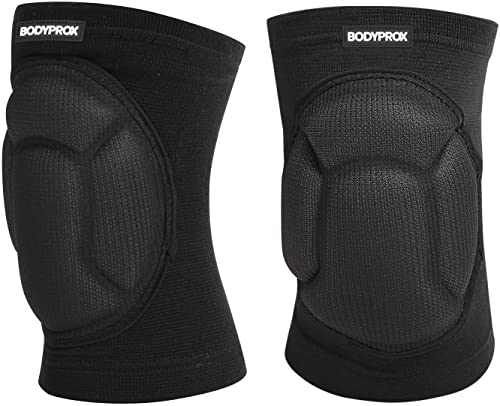
Bodyprox Protective Knee Pads Thick Sponge Sleeve

BOSONER Kids/Youth Knee Pads Elbow Pads Wrist Guards Set
Banzk Adult Knee Pads Elbow Pads Wrist Guards Set

POC Joint VPD Air Knee Lightweight MTB Knee Pads

Tanden Skating Protective Gear Adult Knee Elbow Pads
DUHAN Motorcycle Knee Pads for Men & Women Black
A Deeper Look At The Lineup
You get a pull-on sleeve built around high-density EVA foam and polyester, aimed at casual riders and athletes who want light coverage rather than a hard shell. The pair comes in two sizes, with measurements tied to leg circumference above the knee. That sizing approach suits cycling, basketball, and training where bulk would get in the way.
Breathable fabric and an anti-slip grip help the sleeve stay seated during movement, which matters on longer rides where constant adjustment breaks focus. EVA foam distributes impact across the knee area, while the low 4.96-ounce weight keeps pedaling feeling natural. Compared with strapped sets later in this list, this design trades hard-shell coverage for simplicity and speed of use.
Positive Takeaways
- Pull-on design goes on quickly before a ride
- Breathable fabric helps reduce heat buildup
- Lightweight build suits pedaling and training
- Two sizes allow closer leg circumference fit
Things To Consider
- Soft foam offers less slide protection than hard shells
- Not waterproof, so wet rides need a different approach
For younger riders, coverage across knees, elbows, and wrists matters more than a single knee pad alone. This six-piece set includes all three pairs plus a breathable canvas bag for transport. Polycarbonate caps sit over EVA foam, giving a harder outer surface than the soft sleeve in the Bodyprox option.
Adjustable elastic straps with Velcro closures help the set fit growing legs and arms across the stated 3 to 15 year range. Ventilated fabrics aim to limit perspiration during skating, cycling, BMX, and scooter sessions. The honest read is that strap adjustment still needs checking as children grow, since fit changes quickly.
The Value In It
- Six pieces cover knees, elbows, and wrists together
- Canvas bag keeps the full set organized for transport
- Adjustable straps suit different limb sizes
- Hard caps add slide resistance on pavement
- Ventilated fabric supports longer outdoor sessions
Worth Noting
- Youth sizing requires regular fit checks as growth continues
- Full set takes more storage space than knee-only pads
Who It Suits Best
Children and young teens riding bikes, scooters, or skateboards who need knee, elbow, and wrist coverage in one package.
Where Another Pick Suits Better
Adult riders who need only knee coverage will find the Bodyprox Protective Knee Pads Thick Sponge Sleeve a simpler, lighter match.
Adults learning roller skating or returning to cycling often want the same knee, elbow, and wrist coverage found in youth sets, sized for larger frames. This six-piece set uses 600D Oxford cloth with PP shells and EVA foam layers. The construction aims to balance impact resistance with flexibility during movement.
You can adjust elastic bands and hook-and-loop closures across four size ranges tied to weight, from Small at 22 to 80 pounds through X-Large at 198 to 253 pounds. Breathable polyester fabric helps manage sweat during longer sessions on bikes, scooters, and boards. Unlike the BOSONER set, sizing here is organized by weight rather than age, so checking the chart before ordering matters.
Real Benefits
- Four size options cover a wide adult range
- PP shells provide a harder surface for slides
- Adjustable straps help tailor fit at each joint
- Breathable fabric supports longer skating sessions
Trade Offs
- Weight-based sizing needs careful chart checking
- Loose fit can reduce protection, so strap tension matters
- Six pieces require more closet space than knee-only options
Trail riders often reject bulky pads that interfere with climbing, and this pair takes the opposite approach. VPD Air padding stays flexible during pedaling and firms up on impact, a design meant for mountain biking, trail, and enduro use. Reinforced stretch fabric, anti-slip neoprene, and an elastic strap help hold position on rough terrain.
You pedal longer days with less bulk around the knee, since the low-profile build reduces volume compared with hard-shell sets. Ventilation channels help with heat on climbs, while the slim shape fits under riding pants more easily. In our view, this suits riders who prioritize movement over maximum slide coverage on pavement.
Where It Delivers
- VPD Air padding adapts between flexible and firm states
- Low-profile shape supports climbing and technical riding
- Anti-slip neoprene helps maintain position
- Ventilated design suits longer trail days
- Pair format covers both knees
Minor Gripes
- Soft padding lacks a hard shell for pavement slides
- Listed size is Large, so fit range is narrower
Street and park skating puts knees, elbows, and wrists at risk in the same fall, and this set addresses all three. Impact-resistant PP shells cover 9mm EVA foam, giving thicker padding than the Banzk set described earlier. Skin-friendly fabric on the back uses breathable elastic cloth to keep airflow moving.
Multiple adjustable elastic straps spread pressure across different knee girths and help prevent shifting during a fall. The set includes two knee pads, two elbow pads, two wrist pads, and a storage bag. For most riders, that strap system needs a quick tension check before skating, since even pressure distribution depends on how the straps are set.
Practical Pluses
- 9mm EVA foam adds thicker impact buffering
- PP shells protect against scrapes and slides
- Breathable back cloth improves airflow
- Storage bag keeps six pieces together
Room For Improvement
- Thicker padding adds bulk compared with trail-focused pads
- Strap fit still needs adjustment across different leg sizes
- Full set requires dedicated storage space
Made For
Adults skating, longboarding, or cycling who want thicker padding and full joint coverage in one set.
Consider Something Else When
Mountain bikers focused on climbs will prefer the POC Joint VPD Air Knee Lightweight MTB Knee Pads for its slimmer trail build.
Motorcycle and dirt bike riding demands a larger coverage area than skate pads provide, and this pair uses a high-density TPU shell for that purpose. TPU, a flexible plastic, keeps toughness in cooler conditions while resisting wear. Two layers of EVA padding sit under the shell, with a soft velvet lining against the leg.
You slide them on through a plug-in strap design with two-stage Velcro adjustment for different leg circumferences. The outer 600D Oxford cloth resists tearing, and a reflective panel adds visibility at night. Compared with the POC pair, this design trades trail slimness for broader coverage and a harder outer layer.
Bright Spots
- TPU shell offers larger protection area
- Two EVA layers buffer impact under shell
- Reflective panel supports night visibility
- 600D Oxford cloth resists wear and tears
- Two-stage straps adjust across leg sizes
Points To Note
- Universal sizing still needs a fit check before riding
- Harder shell adds bulk for casual cycling
What To Weigh Before Selecting Knee Protection
Fit and Sizing Method
Measure leg circumference above the knee for sleeve-style pads, and check weight-based charts for strapped sets. A pad that sits low on the shin or high on the thigh will shift during pedaling. You should confirm strap length and shell position before the first ride.
Shell Type and Riding Surface
Hard shells in PP, polycarbonate, or TPU suit pavement slides and motorized riding. Soft EVA sleeves and VPD Air padding suit trail riding where movement matters more than sliding. Your riding surface should drive that choice, since each material handles a different kind of fall.
Coverage Beyond the Knee
Full sets add elbow and wrist protection for skating and scooter use. Knee-only pairs keep weight down for cycling and mountain biking. You will notice the trade-off in storage, since six-piece sets need more room in a bag or closet.
Ventilation and Layering
Breathable fabrics and ventilated padding help on warm climbs and long sessions. Thicker EVA and hard shells trap more heat, which matters on summer rides. Consider whether pads will sit over pants or directly on skin when choosing lining materials.
Key Considerations Across These Picks
Common Shopping Slip Ups
Ordering by age or general size without checking circumference or weight charts leads to loose pads. Loose straps allow shifting on impact, which reduces coverage at the knee. Take measurements first, then match the sizing method to the design.
What The Higher Tier Buys
Higher-tier designs often use adaptive padding, slimmer profiles, and materials shaped for specific terrain. That engineering supports longer rides with less interference during pedaling. The upgrade pays off for frequent trail riders, while casual riders may find simpler sleeves sufficient.
Frequently Asked Questions
How do knee pads for biking differ from skate pads?
Bike-focused pads often use softer, lower-profile padding for pedaling movement. Skate pads typically add hard shells for pavement slides and include elbow and wrist coverage.
Should knee pads be worn over pants or on skin?
Many trail pads are designed to sit under riding pants for a clean profile. Strapped hard-shell pads usually sit over clothing for quick on and off use.
How should leg size be measured for a sleeve?
Your leg circumference above the knee determines the correct sleeve size. Compare that measurement to the size range listed for the pair before ordering.
Do hard shells help on pavement?
Hard shells in PP, polycarbonate, or TPU provide a surface that can slide across pavement. Soft foam alone compresses on impact without that sliding layer.
Are knee-only pairs enough for cycling?
Knee-only pairs suit cycling and mountain biking where elbows and wrists face lower risk. Skating and scooter riding benefit from full sets that also cover elbows and wrists.
Final Verdict
You can match protection to riding style by weighing shell type, fit method, and coverage needs. Trail riders lean toward the POC pair, pavement riders toward hard-shell sets, and families toward complete youth coverage. Start with measurements, then choose the design that fits the terrain ahead.